Imagine waking up in a quiet Japanese town after retirement. Your morning starts with a stroll through a lush park, and by afternoon, you're shopping for groceries on a lively shopping street. There's a clinic just around the corner, and community activities keep life engaging. It doesn't feel like a dream—this is everyday life here.
Rents for one-bedroom apartments in big cities like Tokyo are very high, often exceeding 100,000 yen per month. However, in many small cities across Japan, senior citizens can rent spacious apartments for as little as 50,000–70,000 yen. These places offer natural beauty, easy transportation, solid healthcare, and most importantly, a cost of living that won't drain your savings.
Recent surveys by LIFULL HOME'S and ARUHI (2023-2025 data) show that more than 60% of people over 65 prioritize nearby health care and affordable prices. Based on real data and feedback from residents, here are five cities that stand out. They are not only popular among retirees but are also known for their walkable lifestyle.
1. Kamakura (Kanagawa): A Historic City with Zen Living

Kamakura, bordered by Tokyo Bay, was once the political center of Kamakura-era Japan. Today, it is a peaceful retreat for retirees. Ranked #1 in the Tokyo metro area by LIFULL HOME'S (2020-2023), it scored an impressive 95 out of 100. Getting around is easy – the JR Yokosuka Line takes you to Tokyo Station in an hour, buses cover the city, and senior citizens get half-price fares.
Healthcare is a main attraction. Kamakura City Hospital and several clinics are located near Komachi Street. Locals say, "I can see a specialist within a five-minute walk." The natural setting is top-notch, with Tsurugaoka Hachimangu Shrine and seaside paths that are perfect for morning exercise. Air quality is also excellent, with an average level of PM2.5 of 15 μg/m³, compared to Tokyo's 30. Community life flourishes with tea classes and temple meditation sessions.
Accommodation is surprisingly affordable. Rent for a central one-bedroom (30㎡) is around 55,000 yen, while the average price of a secondhand home is 18 million yen (about $85,000 USD), which is 60% cheaper than in Tokyo. One resident, Ms. Kobayashi (68), shared, "I moved from Shibuya, cut my monthly expenses by 30,000 yen, and enjoyed fresh seafood every day." Perfect for couples who love culture and travelling. This is not a place to go on vacation – it is a place to live.
2. Hibari-ga-Oka (Nishi-Tokyo): Green Oasis with City Convenience
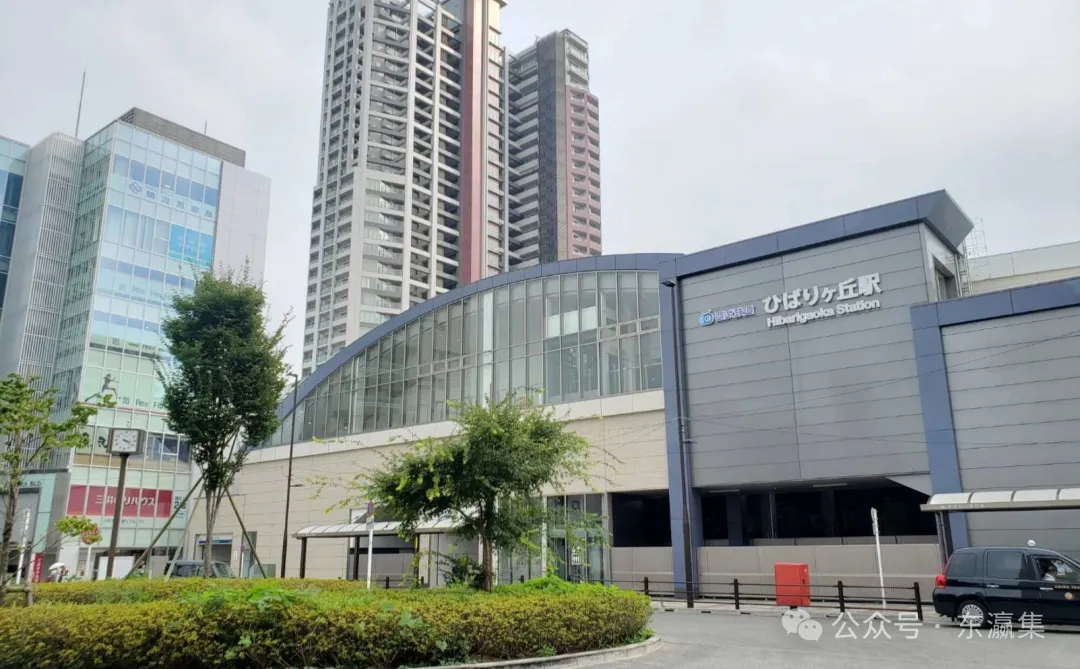
If you want to be near Tokyo but avoid the chaos, Hibari-ga-oka is a top choice. This satellite town won Aruhi's "Best Liveable City Award" in the senior category by scoring 4.40/5 for livability. The Seibu Ikebukuro Line gets you to Ikebukuro in 20 minutes, highways are close, and Haneda Airport is only an hour's drive. The city is flat and wheelchair-friendly, with 90% barrier-free coverage.
Health care and shopping are available at the station itself – clinics, rehabilitation centres, supermarkets, and pharmacies are just a short walk away. Hibari-ga-oka Park spans 20 hectares, is in bloom year-round, and locals often gather for yoga. Security is also strong, with the crime rate being only one-third of Tokyo's average. The sense of community here runs deep.
Rent for a one-bedroom is about 48,000 yen, only 60% of Tokyo's 23-ward average. Secondhand homes cost around 15 million yen ($70,000 USD). SUUMO data shows prices are expected to rise only 2% in 2025, well below the national 5%. For single retirees on a low budget, this city offers tranquility with a touch of urban life.
3. Hiratsuka (Kanagawa): Seaside Living with Full Services
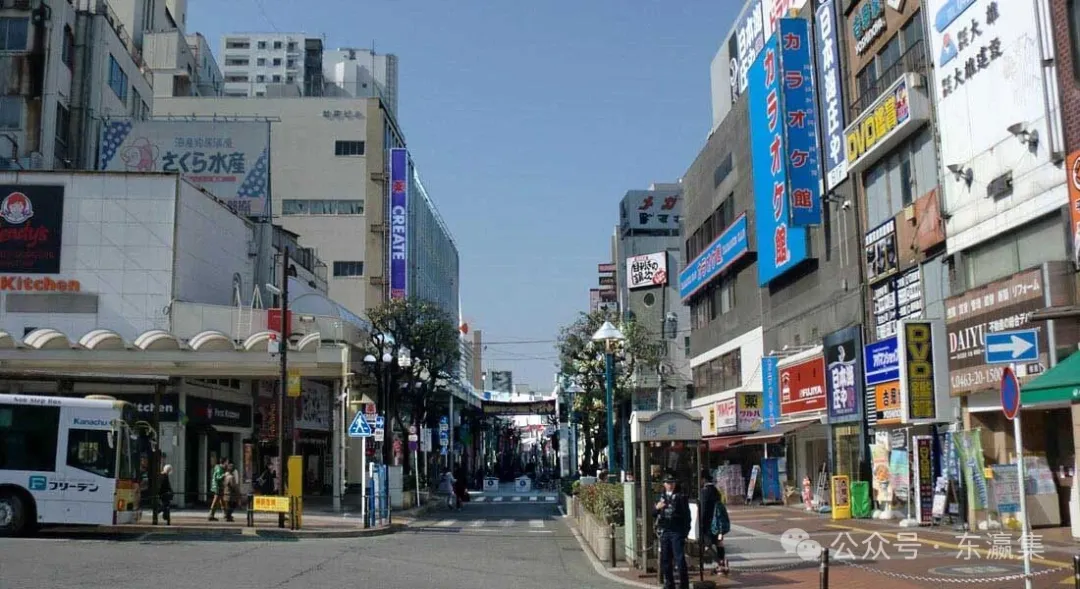
Hiratsuka in Kanagawa feels like Tokyo's backyard. The JR Tokaido Line gets you to Tokyo Station in 50 minutes, and local buses connect directly to hospitals. There is a cluster of clinics around Hiratsuka Station, while Shonan Fujisawa Tokushukai Hospital provides 24-hour emergency care. Senior citizens also get free bed hygiene services.
The station area is filled with supermarkets and department stores, and the monthly cost of living is lower than the average national level (about 150,000 yen). The beach and Shonan Park are favorite spots where retirees flock to twatch he summer fireworks.
Rent for a one-bedroom is around 50,000 yen, and the average rent for a secondhand condo is 12 million yen ($57,000 USD), which is 40% cheaper than in Yokohama. A 75-year-old resident said, "I came from Chiba, and half the savings on rent are now spent on travel." Great for couples who love the sea and value health.
4. Odawara (Kanagawa): Castle Town Charm with Hot Springs
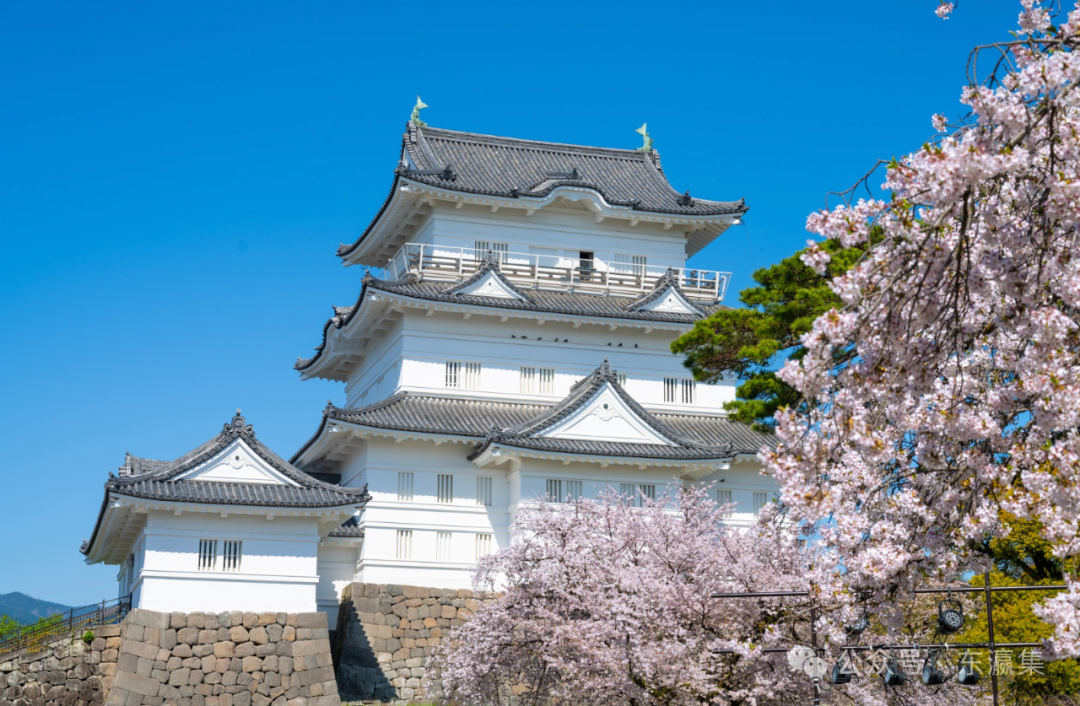
Odawara, known as the “Gateway to Tokai,” blends history with nature. It is listed among the top 10 retirement cities in Japan. The Shinkansen gets you to Tokyo in 35 minutes, and local trains and senior buses cover the area thoroughly.
Healthcare here is strong, with Odawara City Hospital and several hot spring rehabilitation centers offering free programs for joint pain. Shopping is also easy with Ito-Yokado and a clinic street near the station. Locals enjoy Odawara Castle Park and the hot spring districts, with 70% of seniors attending community events.
Housing is affordable, with a one-bedroom costing around 45,000 yen and secondhand homes priced at 13 million yen ($62,000 USD), about 70% of the national average. Land prices remain stable in 2025. For retirees who love history and hot springs, Odawara feels like living at a resort.
5. Ito (Shizuoka): Izu Hot Spring Haven for Longevity
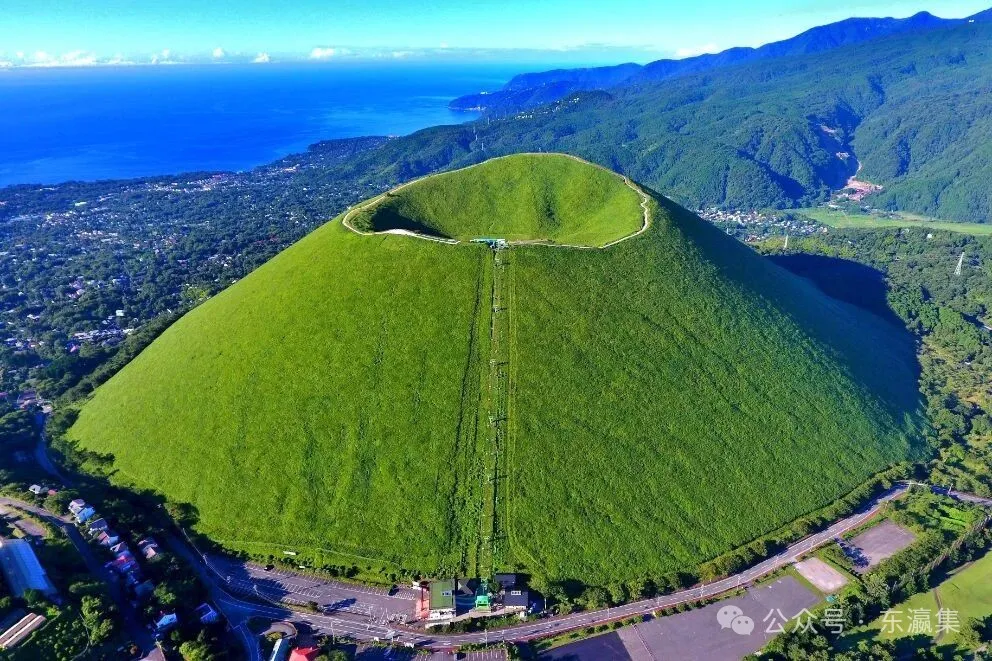
Step outside the Tokyo metro area and you'll find Ito in Shizuoka, a rising star for retirees. The Izu Kyūkō Line connects Ito Station to Tokyo in about two hours. The city itself is divided into zones – downtown for shopping, Izu Highlands for naturopathy, and Usami along the coast for wellness living.
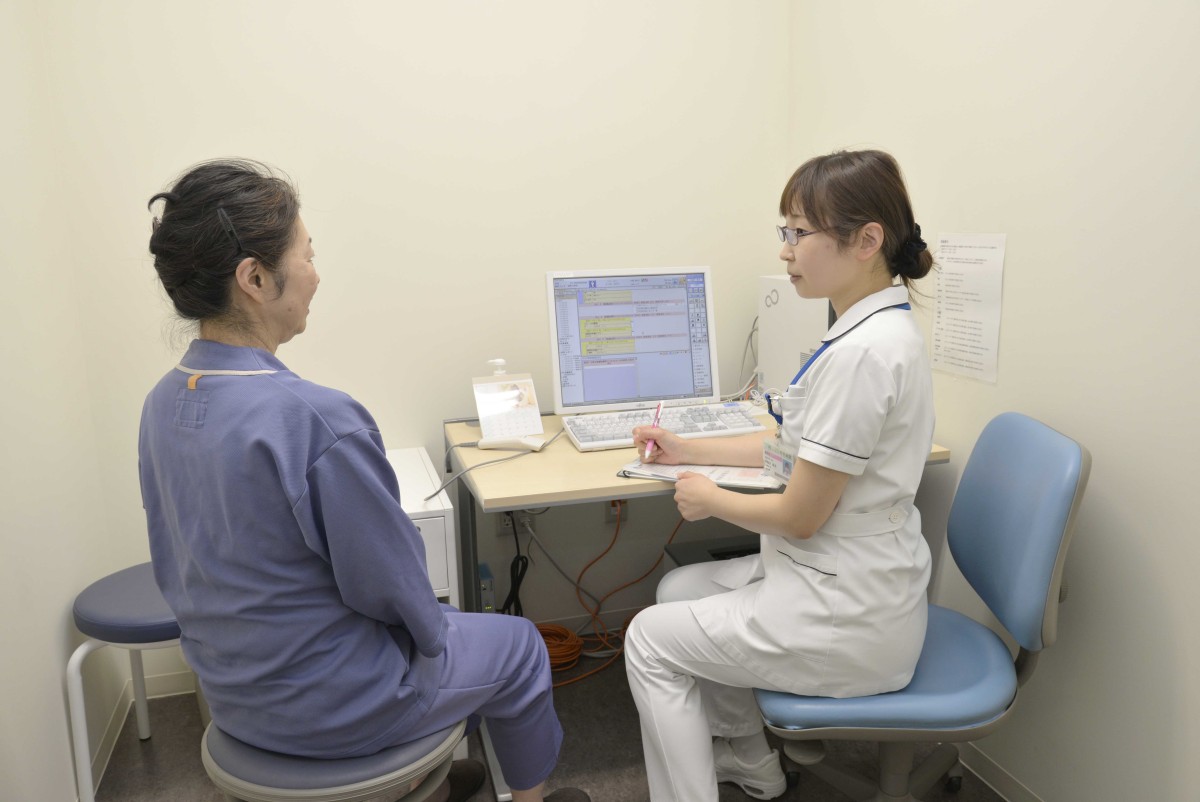
Healthcare is well covered. Ito City Hospital and several hot spring clinics offer free screenings for senior citizens, including hypertension programs. Daily life is also easier with larger stores, care services for those over 65, and a strong support network. The climate is mild, averaging 15 °C annually, and locals enjoy seaside walking paths and parks. Community support is strong, and the city has the lowest rate of lone deaths in Japan, only 5%.
Housing costs are surprisingly low. Rent for a one-bedroom is around 42,000 yen, while the average rent for a secondhand condo is 10 million yen ($48,000 USD), which is 75% cheaper than in Tokyo. While Okinawa is often seen as a retirement destination, Ito offers better value. It is ideal for those who want warmth, longevity, and a slower pace of life.
These five cities prove that retiring in Japan doesn't have to be complicated. With average rents of 45,000-55,000 yen and strong health care systems, seniors can live comfortably without breaking the bank. When choosing a city, look for health care within 1 km, transport links to Tokyo within an hour, and try a one-month stay – many cities offer "trial living" programs. For the latest accommodation prices, see the site of the Ministry of Land, Infrastructure, Transport and Tourism of Japan: https://www.reinfolib.mlit.go.jp/.
![[2025 Edition] World Happiness Rankings: Japan's Happiness Ranking Drops To 55th In The World](https://www.japanrar.com/wp-content/uploads/2025/04/1743574779-53493651.webp)