Here's a powerful New Year's reflection from a Japanese writer living in Germany. Written on January 1, 2026, it begins with memories of traditional New Year celebrations and gradually turns to a sobering look at Japan's agricultural and food security crisis. Childhood memories turn into concerns about what's actually on Japan's dinner table today.
The Vanishing Traditions of Japanese New Year
More than twenty years ago, I took my family back to Japan for the New Year, hoping that my children could feel the festive atmosphere that I remember. What I found was nothing like the images in my mind, and it stunned me.
My memories were of cool winter air, bright blue skies and the quiet streets of Tokyo or Osaka. Flags were flying in the streets and occasionally you could see young women wearing beautiful kimonos. That calm, beautiful atmosphere is something I will never forget.
Looking back, perhaps those were just childhood memories. By the time I left Japan in the early 80s, that atmosphere had largely faded. Nostalgia always has bias.
Today, hardly anyone wears festive attire for the New Year. Even proper attire is rare. The line between "vacation" and "normal day" has blurred. People kept their distance and by doing so they ruined the holiday itself. We all share some responsibility for that change.
Food traditions persist for a while. Many people still eat soba on New Year's Eve and ozoni soup on New Year's Day. Even if they say osechi doesn't matter, they will cook black beans. But most families now buy readymade osechi instead of cooking it at home. This year, I was surprised to see the post office selling Osechi food.
Agriculture in Crisis: Self-Sufficiency at Just 8%
Japanese consumers spend a lot on food, but farming has long been given less importance. University of Tokyo professor Nobuhiro Suzuki wrote the book "The Extinction of Agriculture", warning that policy failures could threaten the country's survival. He reminded readers of the 2008 global food crisis, when rice shortages led to riots and deaths in some countries. His take: Japan could be next.
His warning came true within four years. And the numbers are worrying. Official statistics claim that 80% of vegetables are domesticated, but since 90% of seeds come from abroad, the actual self-sufficiency rate is closer to 8% (as of 2021). By 2035 it may come down to 4%. Rice faces similar risks – if seed dependence increases, self-sufficiency could fall to only 11%.
Privatization of water and energy often makes headlines, but seeds are equally important. It is dangerous to treat them as corporate profit tools rather than the foundation of life. Suzuki is angry about this, although most citizens hear little about it.
The Dark Side of Hormone-Treated Beef
The book also highlights "dangerous foods reserved for Japan", including pesticides and hormones. The issue of pesticides dates back to the 1970s, when the US promoted exports of citrus fruits. Japan banned post-harvest fungicides, but the US insisted it could not ship without them and threatened Japan's auto industry. Japan conceded defeat, reclassifying the chemicals as "food additives". Suzuki says this trade-off—sacrificing food safety to protect exports—still exists today.
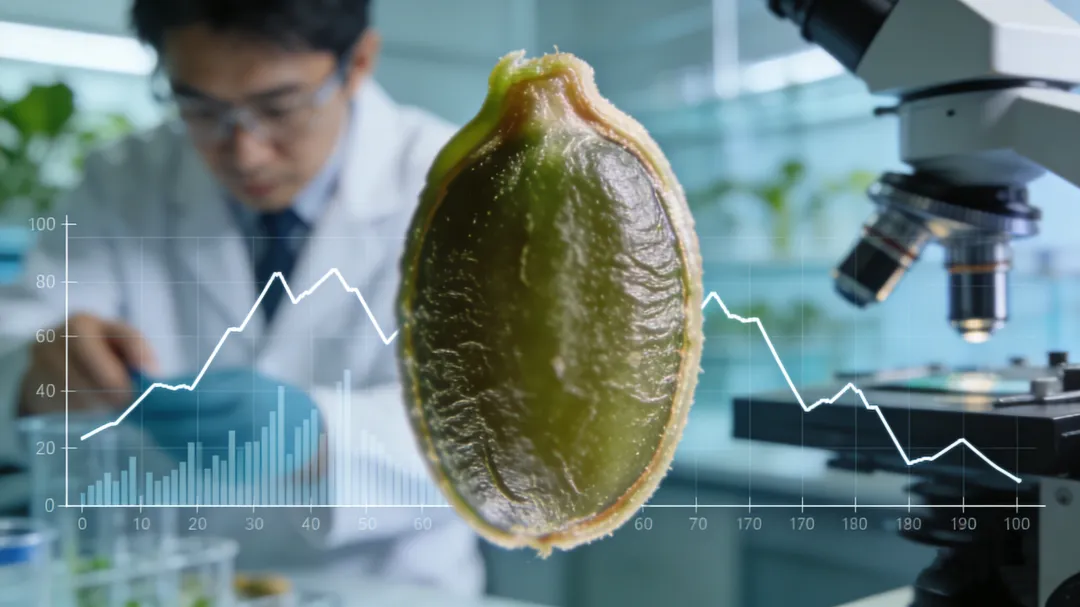
Hormones are another story. American producers use estrogen, which medical experts have linked to breast cancer cell growth, injected into cattle through ear implants. The EU banned hormone beef more than twenty years ago and never backed down despite US pressure. In fact, some EU countries saw a 45% drop in breast cancer mortality following the ban.
Suzuki cautions that when experts say something is "safe," what they often mean is that "we don't know if it's safe." If studies show risks, funding disappears and researchers face career or even personal threats.
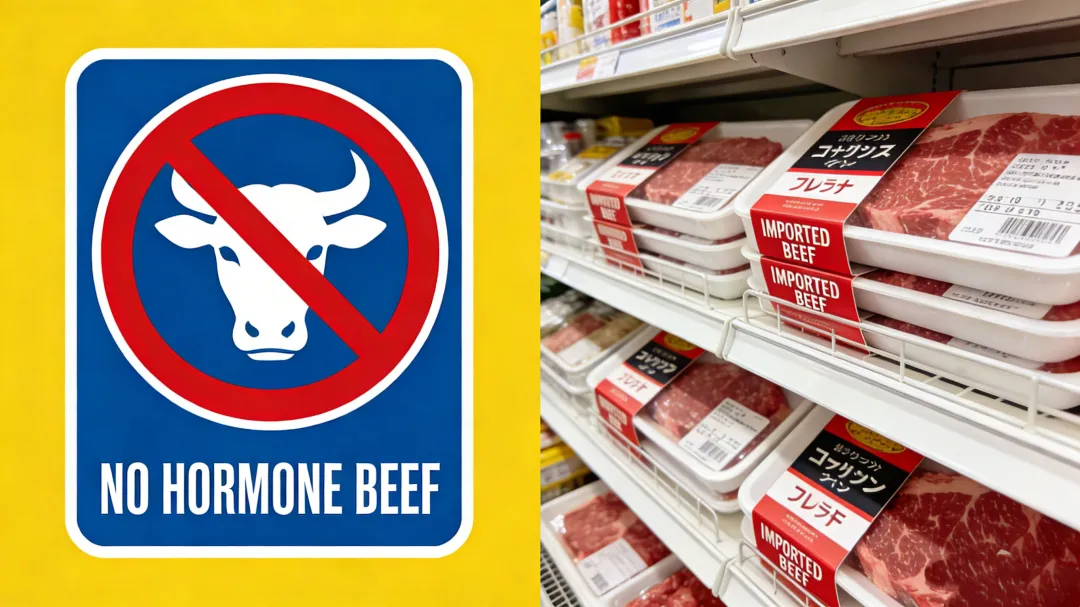
Japan has banned the use of hormones domestically, but imports tell a different story. About 70% of the beef consumed in Japan is imported, with minimal testing. Samples are taken, but shipments are then diverted, making inspection almost meaningless.
The result: Beef shipped from Australia to the EU is hormone-free, but the same exports to Japan are likely hormone-treated unless clearly labeled otherwise. After the 2002 US-Japan trade agreement, cheap American beef flooded the market and consumers rushed to buy it.
Another additive, ractopamine, is added to cattle and pig feed. It is banned in the EU, China and Russia. Japan has not approved domestic use, but imports into it still continue freely.
The Collapse of Food Safety
Many Japanese believe that domestic produce is safe while imports are risky. But Japan's standards are weaker than the global average. Protecting public health through strict laws should be the government's priority, yet it has been ignored.
Traditional Japanese foods—soy sauce, miso, pickles, and soy protein—are healthy and nutritious. If these are silently weakened, then this is the real danger.
If enough people are willing to pay more for safe food, the market will respond and politics will begin. The EU's ban on hormone beef proves this. If we want to continue enjoying safe Osei food, we need to care more about food safety.
Suzuki summarized: "Food security, along with defense and energy, is one of the three pillars of national survival." I couldn't agree more.