The question of foreign ownership in Japan's real estate market has become a hot topic in parliament. Lawmakers are asking how so much money is coming in, especially from China. Mainland Chinese residents face strict limits on foreign remittances – no more than $50,000 per year. Japan requires anyone carrying more than one million yen in cash to declare it at the border. So, how are Chinese buyers coming up with billions of dollars to buy property?
How does all this money come to Japan?
Under current law, foreigners and foreign companies can legally purchase land and property in Japan. But when land is purchased near military bases or other sensitive facilities, it raises national security concerns. Even in resort towns, disputes between foreign buyers and local communities have become a growing issue.
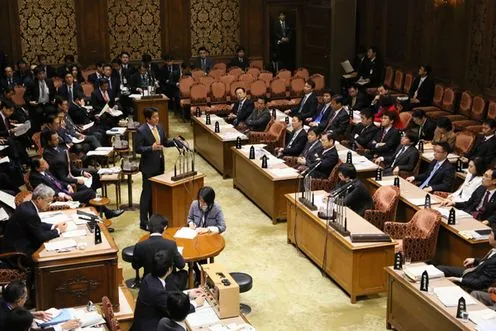
During a budget committee session on December 15, 2025, lawmaker Munetaka Kamiya raised the issue directly. Chinese buyers are leading the trend, he said. He also cited a lawyer who said he once saw a buyer bring billions of yen in cash to a real estate office – something he had never seen before.
Kamiya added: "China limits foreign transfers to $50,000 a year without government approval. So how are Chinese buyers paying cash for real estate in Japan? Where is the money coming from? Is the government investigating?"
Finance Minister Satsuki Katayama admitted that the government was not fully informed. He explained that although cash over one million yen must be declared upon entry, the declarations do exist. In fiscal 2024, about 330 billion yen came into Japan from overseas, including about 60 billion yen from China. Most cases involved only a few million yen, but some were much larger. It is unclear whether Chinese buyers are following their country's regulations.
Katayama said buying property with cash is common around the world. But if it involves suspicious transactions or money laundering,g then it becomes a serious problem. Many observers were shocked to hear figures such as 330 billion yen, although officials believe this is only the "tip of the iceberg".

Chinese buyers are investing mostly for personal reasons. With China's property market struggling, wealthy individuals are moving assets abroad. Despite strict remittance rules, many people find ways to transfer money abroad.
Wall Street Journal: "China's capital flight reaches 39 trillion yen."
On October 28, 2024, The Wall Street Journal reported that China's capital flight could reach 39 trillion yen a year. Their estimate—about $254 billion—is lower than official figures tracked by Japan. Once money leaves China's control, it can flow freely into stocks, private companies, or real estate overseas, making it difficult to trace its origins.
With the weakening of the yen and some restrictions on land purchases, Japan has become particularly attractive. Lawmakers have warned that this has led to a "land grab" by foreign buyers.

Crypto Loopholes: 27 Billion Yen Flowed In
Another piece of the puzzle is cryptocurrencies. While China heavily regulates crypto services, wealthy investors sometimes use unofficial channels. Frustrated with China's stock and housing markets, some people have turned to crypto as a way to move money abroad. Reports suggest that approximately 27 billion yen has entered Japan through crypto transactions, which tax authorities are already investigating.
A Tokyo company reportedly converted bitcoins sent from China into yen, collected fees and even helped buyers pay for assets. The case highlights how crypto has become a backdoor for capital flows, though regulators are keeping a close eye.
Chinese investment in Japanese property began in the early 2010s, first in big cities such as Tokyo and Osaka, then in resort areas. As controls tightened, the trend became stronger.
Rising Prices and the Bitcoin Factor
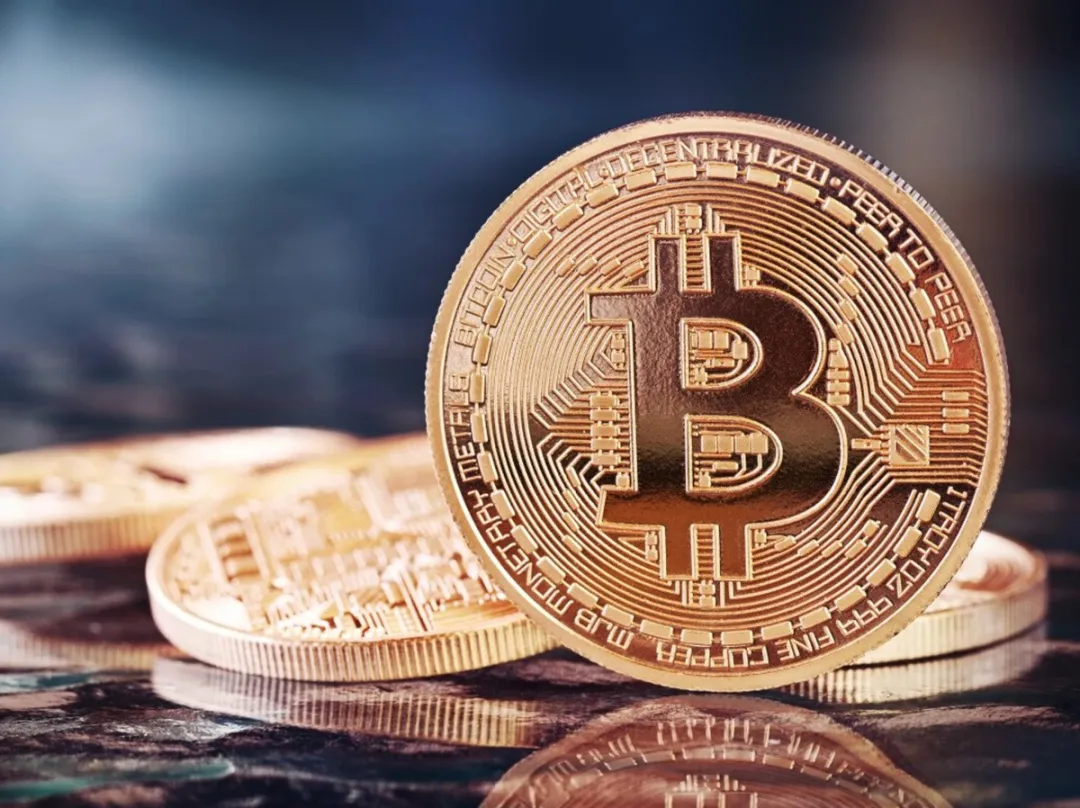
Japan's property market has rebounded after a slump during the pandemic, fueled by a weak yen and China's slowdown. Some analysts even say that foreign cash has helped push up prices. Bitcoin's surge also played a role. At one time its pri,,ce was less than a penny, at the end of 2024 its pri,ce crossed $ 100,000. If Chinese investors converted crypto into yen, Japan's cash declaration rules became redundant, making the asset even more attractive.
Why buy near military bases?
Government data released in December 2025 showed that about 3,500 foreign lands were purchased in 2024 near sensitive sites such as bases and nuclear plants. China's share was almost half. This raised concerns about national security, although officials admit they do not fully understand the motives.
In Hokkaido's Niseko resort area, foreign investment has caused land prices to skyrocket. Luxury condos worth billions of yen now spread across the city, while wages and living costs have soared. Similar trends are being seen in other ski towns such as Furano and Hakuba, leading to calls for stricter land-use regulations.
While foreign capital has helped transform these resorts into global destinations, it has also created headaches. Most major parties now support strict limits on foreign asset purchases. Experts believe Japan could tighten rules on funding sources by 2026 or 2027, with strict reporting and monitoring also likely.