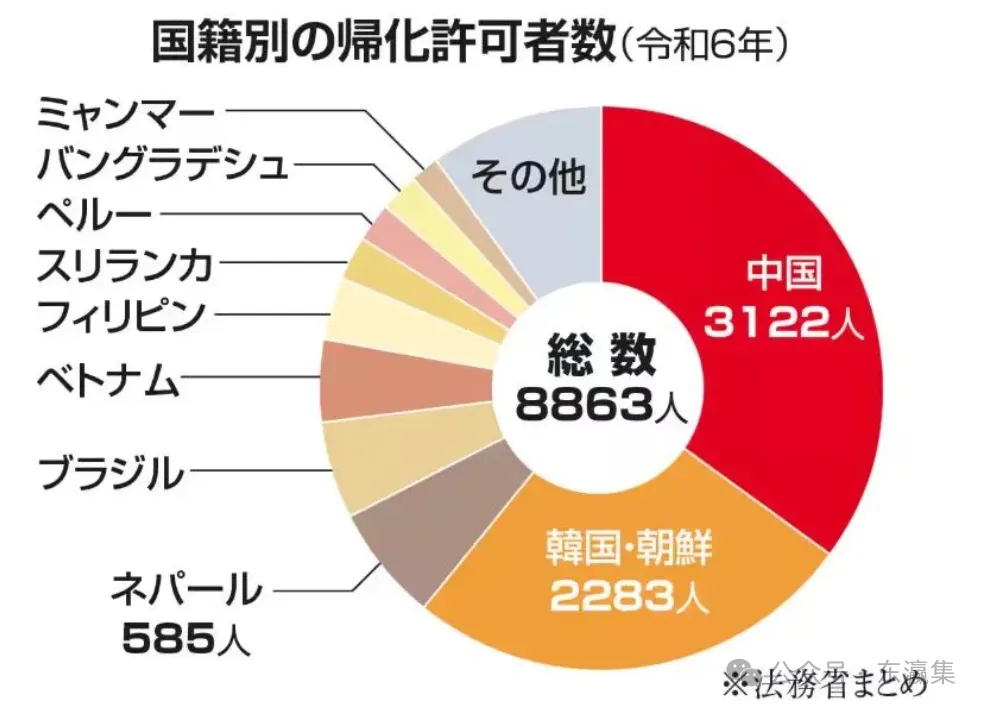
Japan is moving forward with major changes to its permanent residence rules. From April 2027, Japanese language skills will officially become part of the requirements for foreigners applying for permanent residence. The proposal comes from discussions within the ruling Liberal Democratic Party, whose main goal is to deal with the challenges of integrating the rapidly growing foreign population.
According to multiple reports, the government is planning to amend the Immigration Control and Refugee Recognition Act (commonly called the Immigration Law) to give effect to this new rule.
Additionally, another rule will be added: permanent residents who knowingly fail to fulfill public obligations, such as paying taxes, may lose their residency status.
The number of foreign residents in Japan was expected to reach a record 3.96 million by the end of June 2025. Of these, approximately 930,000 held permanent residence, accounting for 23.6% of the total – by far the largest group across all visa categories.
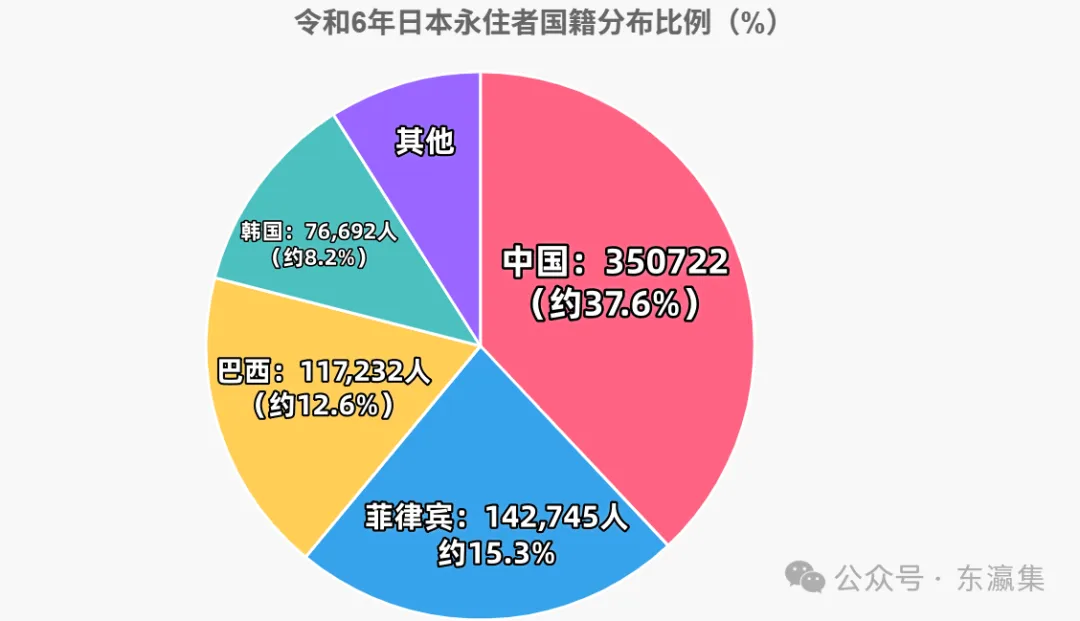
⬆ Breakdown of permanent residents by nationality, June 2025
Currently, the main requirements for permanent residence include living in Japan continuously for at least 10 years (with at least 5 years under a work or residence visa), having a steady income to support independent living, and maintaining good conduct. The Ministry of Justice guidelines also emphasize that applicants must meet the standard of serving Japan's national interest.
Unlike naturalization, Japanese language ability has not been a mandatory requirement for permanent residence. However, in practice, it is often considered an important measure of social adaptability. Many applicants voluntarily submit proof of passing the Japanese Language Proficiency Test (JLPT) at the N2 level or higher to increase their chances of approval.
This new rule is being emphasized because the number of permanent residents is expected to increase rapidly. Authorities worry that without stronger integration measures, social friction and cultural clashes could become more common.
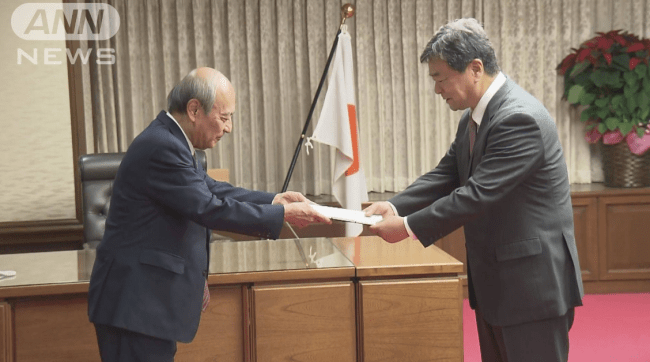
The Cabinet, under the leadership of Sanae Takaichi, has given priority tothe he foreign resident policy. In November 2025, the Cabinet held its first meeting on the issue, where it directed ministries to expedite comprehensive measures. These include stricter rules on land purchases by foreigners, cracking down on illegal migration, and addressing unpaid social insurance fees. A basic policy framework is expected to be released in January 2026.
The LDP’s internal policy team is also exploring stricter measures, such as:
- Ending the transitional rule that allowed 3 years of stay to be considered as the maximum period. If social insurance fees are not paid, a sa renewal or a change may be refused.
- Adding a Japanese language requirement for permanent residence to help foreigners integrate more easily. Applicants will need to demonstrate proficiency at a certain level (around JLPT N2), participate in community education programs, and meet a slightly higher income threshold. Authorities argue that language is the foundation of daily communication and social coexistence, and a lack of skills can lead to misunderstanding, isolation, and additional social costs.
- Strengthening monitoring of other visa categories. For example, students' work hours will be limited to 28 per week, but approval will now depend on academic performance. For those holding "Engineer/Specialist in Humanities/International Services" visa but working in general labour, the government plans to tighten monitoring of staffing agencies and employers. These steps reflect the broader policy goal of "orderly coexistence.
Takaichi has repeatedly stressed that these policies are not about exclusion, but about addressing public concerns over the increasing number of foreign residents. The Cabinet has already listed foreign resident coexistence as a key agenda item, with the draft law expected between 2026 and 2027 before being presented to the Diet for approval.
For foreigners planning to apply for permanent residence in Japan, meeting the existing requirements is no longer enough. Developing Japanese language skills ahead of time has become a smart and necessary step.