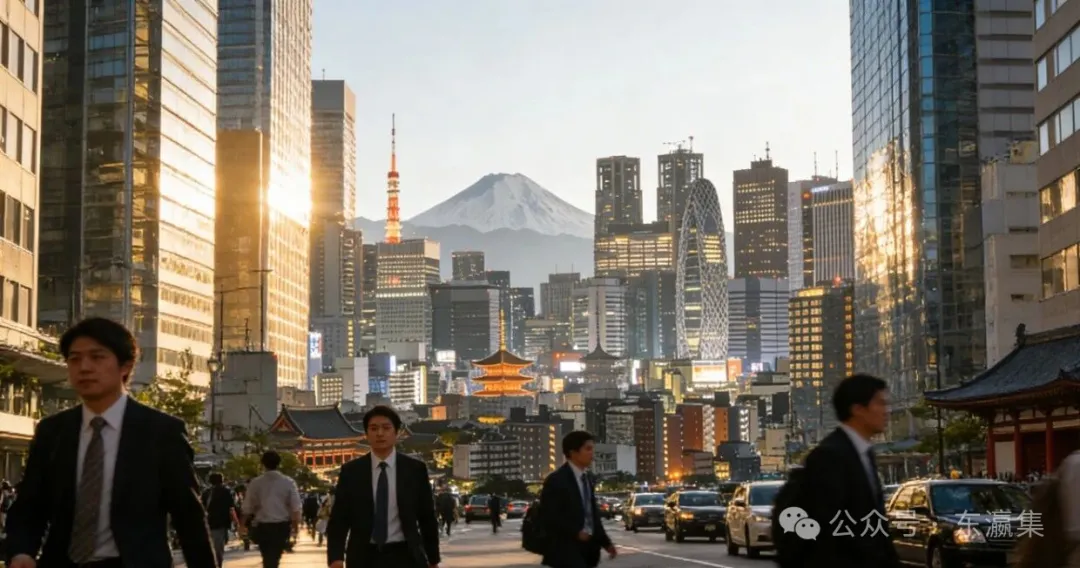
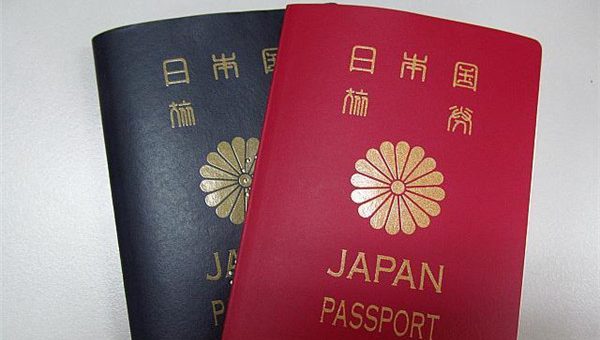
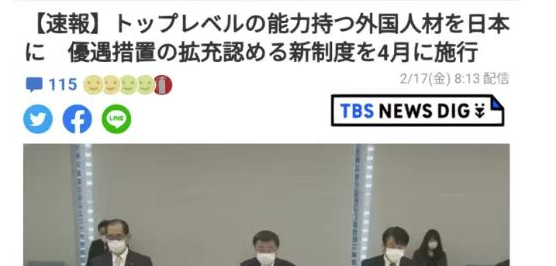
While much of the world is racing toward a cashless society – cash transactions in South Korea are less than 10%, and mobile payments top 80% in China – Japan stands apart. In 2023, the Economy Ministry reported that more than 60% of payments were still made in cash, far higher than the global average.
So why is a tech-savvy, economically advanced country like Japan still stuck with coins and bills? The answer lies in culture, infrastructure, and social mobility.
1. Cultural Comfort: Cash Feels Real
Japan's love affair with cash began with the post-war boom, when cash was the most reliable way to do business without worrying about debt. According to the Bank of Japan, cash in circulation amounts to 19.4% of GDP – much higher than the 3-10% seen in Western countries.
People like to settle on the spot. Although the average person has 7.7 credit cards, many still prefer cash. The feeling of “payment is done” matters – it avoids late bills and protects privacy.
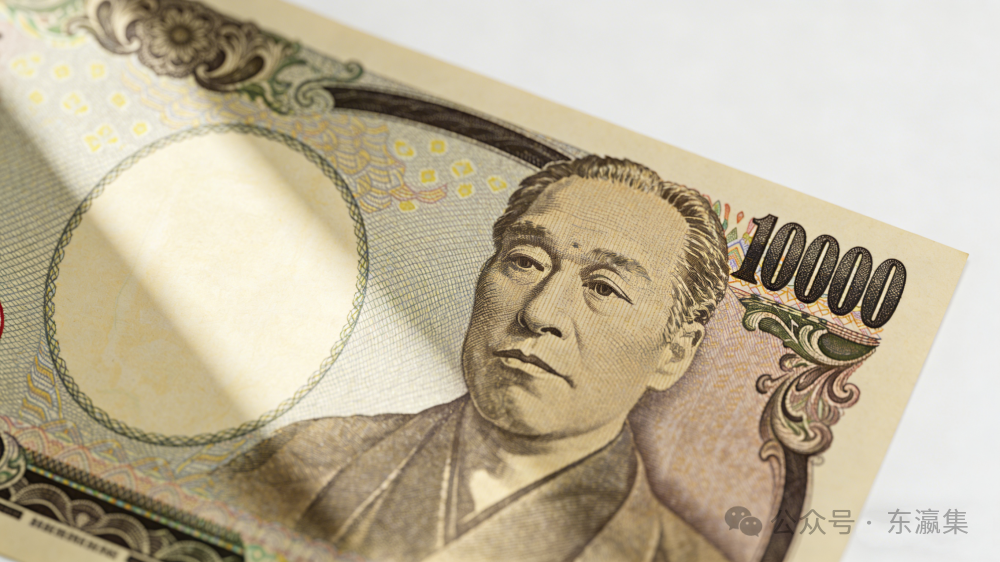
Privacy is another big factor. Cash leaves no trace, and Japanese consumers are wary of data tracking. Credit card usage is about 17%. While Westerners find cards convenient, many Japanese view them as borrowing. Keeping cash seems safer, and it is easier to control spending.
2. Cash Infrastructure Is Too Convenient
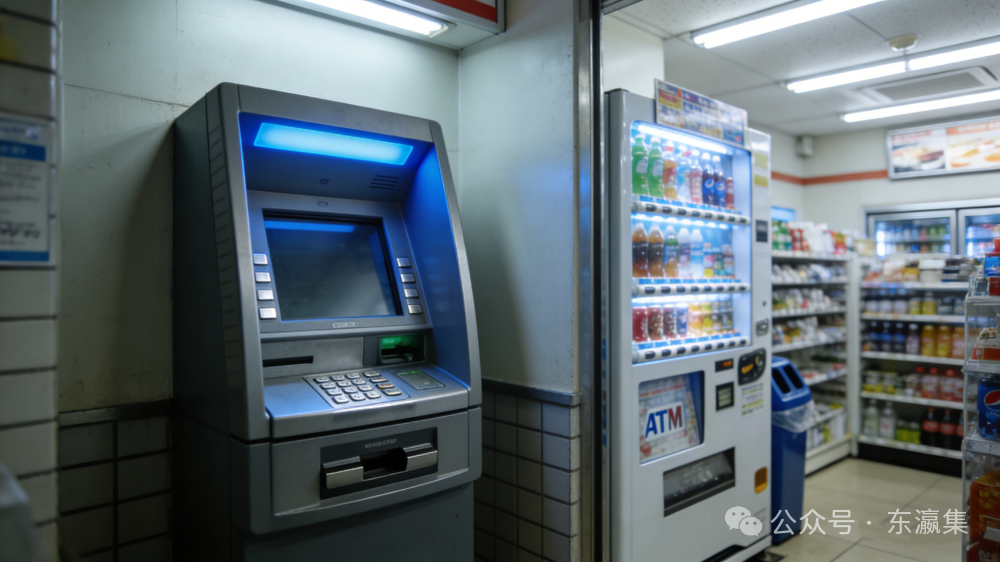
Japan's cash system is incredibly well built. There are approximately 150,000 ATMs across the country, most of which are available 24/7 and fee-free. With this kind of access, people don't feel the need to load a digital wallet, and small shops avoid the cost of installing card readers.
Convenience stores like 7-Eleven let you withdraw and even deposit cash. Crime is low, counterfeit bills are rare, and lost wallets are often returned intact. Carrying cash does not seem risky.
For businesses, cash is quick. It takes a few seconds to make the change, often faster than paying by card. Smaller shops love it because the card fee is around 3%. Customers often choose cash to help local businesses save money.
3. Social Factors: Aging Population and Digital Divide
About 29% of Japan's population is over 65, and about 70% of senior citizens rely on cash. They rely on physical money to manage budgets and are not comfortable with smartphones or online payments.
Low-income groups and rural residents are also dependent on cash. Some do not have smartphones or do not know how to use mobile apps. Younger city dwellers use PayPay or Suica, but overall adoption is limited.
During the pandemic, cash use fell by 46%, but ironically, the fear of germs on bills pushed some people back to cash. Cultural traditions also keep cash alive – donations, gift envelopes, and ceremonies at shrines. In 2024, Japan also released new banknotes with anti-counterfeit features and Braille markings, signaling that cash will not run out any time soon.
4. Government Push for Cashless Payments Faces Challenges
Maintaining the cash infrastructure costs about 2.8 trillion yen annually, or 0.5% of GDP. Since 2018, the government has aimed to increase cashless payments to 40% by 2025 while offering QR code subsidies and point rewards.
Cashless systems improve efficiency, reduce labor shortages, and help tourists—70% of visitors prefer card payments. By 2024, cashless payments will reach 42.8%, surpassing the target. Now the government wants 80 percent.
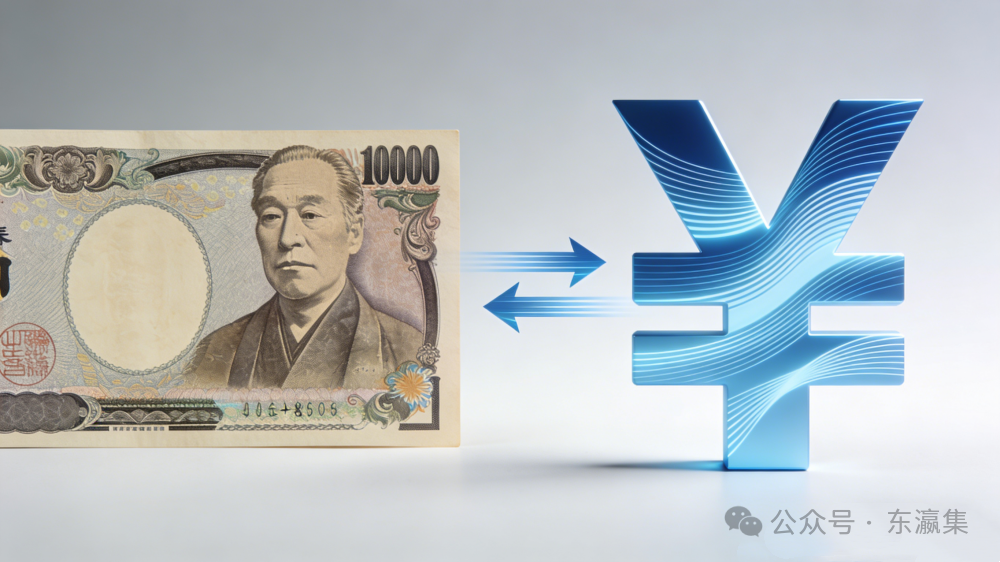
St, ill problems remain. Rewards programs primarily attract younger users, while seniors remain skeptical. Data security concerns remain. The Bank of Japan is testing a digital yen to keep pace globally. Experts estimate that cash use could fall by 50% by 2030, but cash will persist as a backup in disasters. Prepaid e-wallets have been suggested as a middle path.
Japan's reliance on cash isn't about being outdated – it's about security, convenience, and cultural habits. But with globalization and demographic pressures, holding on to cash can slow innovation.
The future may be a hybrid model: cash plus digital. A blend that maintains the convenience of bills while embracing the speed of electronic payments.