So, how much can you really make working at a Japanese convenience store? According to September 2025 data from Indeed, based on more than 316,000 job listings, the national average hourly wage sits at 1,121 yen. This is about 8% lower than the overall average for part-time work in Japan. Nevertheless, because the entry barrier is low, these jobs are popular among students, short-term workers, and people on working holidays. Here's how the three big brands stack up:
- 7-Eleven: approximately ¥1,055 per hour
- FamilyMart and Lawson: between ¥1,100 and ¥1,200 per hour
Regional differences are huge:
- Tokyo: ¥1,284
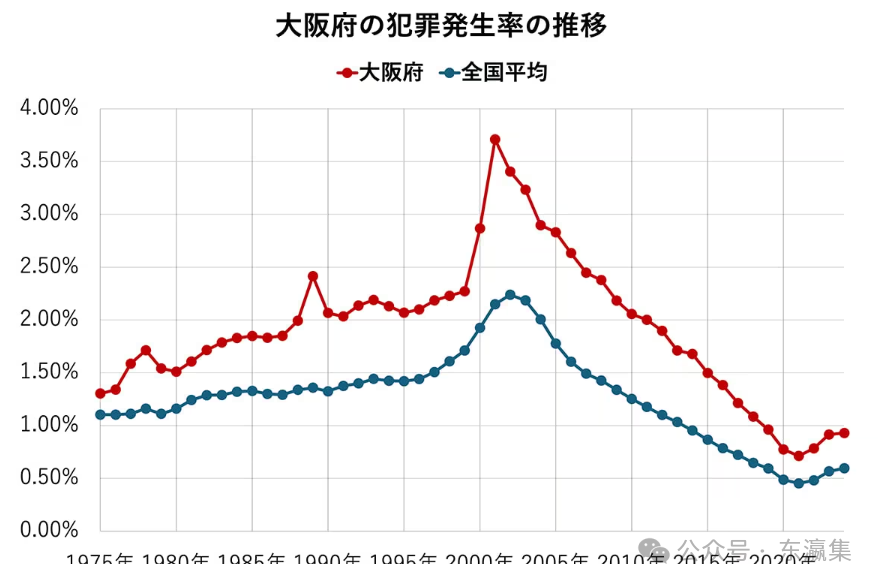
- Osaka: ¥1,150
- Smaller towns: sometimes under ¥1,000
Monthly income is simple math: hourly wage × total hours worked (usually 160–200 hours a month).
Examples:
- Full-time (5 days a week, 8 hours a day, 20 days a month): ¥1,121 × 160 hours = approximately ¥179,360 before tax. After 5% income tax and about 10% social insurance, the take-home salary is about ¥150,000-¥160,000.
Job sites show that full-time employees earn about 350,000 yen per month, but convenience store employees are considered non-regular employees, so their salaries are much lower.
- Part-time (3 days a week, 4 hours a day, 12 days a month): ¥1,121 × 48 hours = approximately ¥53,808 before tax.
- High school students (2 days a week, 3 hours a day): ¥1,004 × 24 hours = approximately ¥24,096 per month.
Night and weekend bonuses:
- At least 25% additional payment will have to be made for the night shift (10 pm to 5 am). For example, a basic salary of ¥1,000 becomes ¥1,250.
- Working 200 hours of night shift in a month, earnings can easily exceed 250,000 yen.
- Many stores add ¥50-¥100 for weekend shifts.
Japanese pay slips usually list the following: base salary, transportation allowance, night shift bonus, and deductions (income tax, resident tax, health insurance).
Real example: 7-Eleven night shift worker’s pay slip:
- Base hourly wage: ¥800
- Night bonus: +¥210
- Early shift bonus: +¥210
- Actual hourly wage: ¥1,220
- Monthly hours: 150
- Gross income: ¥183,000
- Net pay: ¥155,550 (after ¥9,150 income tax and ¥18,300 social insurance)
Some workers get confused when they see “¥800 base pay” on the slip, but the bonuses are already included in the final hourly rate.
Other real cases:
- Daily wage of dispatch company: 8 hours × ¥1,200 = ¥9,600 per day. Working 20 days = ¥192,000 (daily payment).
- Freelancers aiming to make ¥200,000 per month usually need night shifts as well as a team leader role (additional ¥50-¥100 per hour).
- Survey by Gigabyte (August 2024, 117 respondents): Average monthly income ¥120,000, average hours 100, average hourly wage ¥1,050.
Payment Day: Most stores pay on the 25th of the following month. Some dispatch companies offer weekly or daily pay.
Increase: Usually once a year. Good performance and customer service can add ¥50-¥100 per hour.
Restrictions: High school students and women cannot work night shifts, and minors require parental consent. Still, hourly wages are often the same as for adults.
Tax Tip: Anyone earning more than ¥200,000 per year must file their own income tax return.
Bottom Line: Working at a Japanese convenience store typically brings in ¥100,000-¥200,000 per month after taxes. In Tokyo, where rent alone can start at 80,000 yen, that's enough to get by. Saving money? You will probably have to work night shifts.