Chinese buyers have flocked to the Isawa Onsen area in Yamanashi Prefecture. But look closer, it's part of a larger wave hitting vacation spots and hot spring towns across Japan. Japanese journalists work with on-the-ground reporting and hard data to uncover what's happening behind the scenes in these resort areas.
Chinese Voices Filling the Air in Isawa Onsen These Days
Japan's rural escape destinations are rapidly disappearing due to population decline. This is opening the door for Chinese money to come in and gradually increase its influence. The quiet spread of this power is not obvious at first glance. To uncover the real story, the team went to Yamanashi, where they got good tips.
You can get there in under two hours by express train from central Tokyo. Isawa Onsen. On the streets of Fuefuki City, Yamanashi, most of the people you pass are conversing in Chinese. Tour buses are parked everywhere, and almost everyone boarding or disembarking is from China. Japanese visitors? It is difficult to recognize someone.
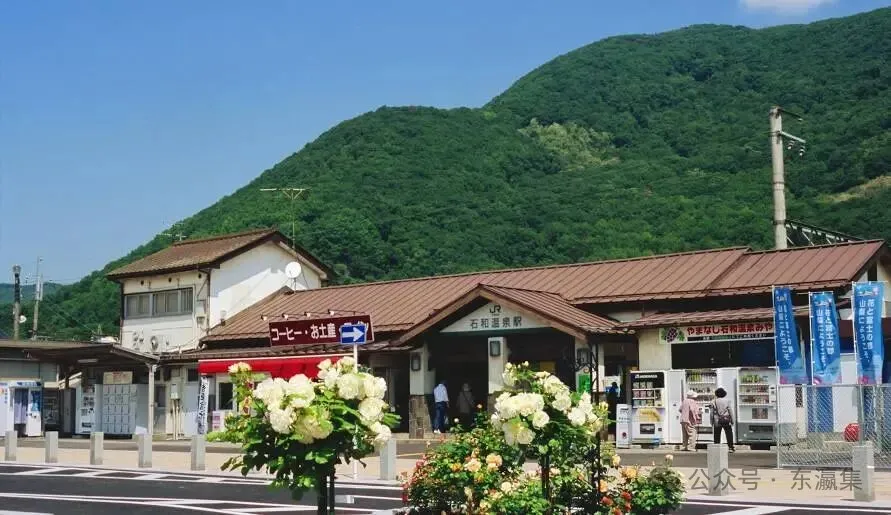
↑ Isawa Onsen Station
Just after 6 pm, people are likely to settle down. Around the hotel cluster, at a nearby convenience store, many Chinese guests grab bags of snacks and head back to their lodgings. All those places are run by Chinese owners, although you wouldn't guess it from the outside.
"Even if it becomes Chinatown, it's better than becoming a ghost town. At least the lights will be on on the hot spring streets." Koji Furuya, 51, president of the Isawa Onsen Ryokan Cooperative, put it this way, expressing his mixed feelings.
Three Decades After the Bubble Burst, Chinese Money Steps In to Bring Back Life
Isawa Onsen was once the go-to fun spot in the Kanto area. It hit its peak in the late '80s and '90s during the bubble years. Easy access from Tokyo made it a big draw, putting it right up there with nearby Atami. Back then, companies loved booking staff trips and end-of-year parties here.
When the bubble popped, everything slowed to a halt. The cooperative started with around 60 members; now only half are left. Down the main drag, rolled-down shutters on closed shops catch your eye, and abandoned pachinko halls look like ruins.
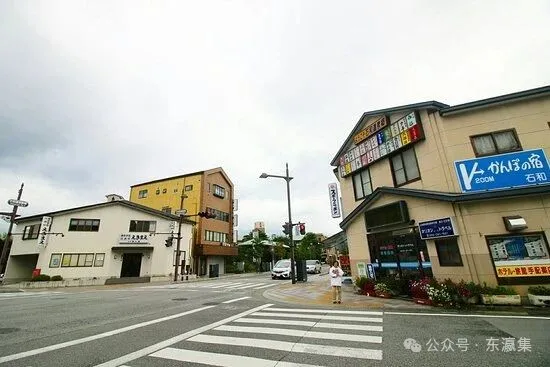
Who stepped up to buy these struggling spots? Chinese investors. The reporters looked into 40 key properties and found Chinese ownership in 25% of them—that's 10 places.
These buys kicked off in the early 2010s, mainly picking up inns and hotels with no one to take over that were closing shop. Things really picked up speed after COVID-19 spread. Furuya remembered, "The pandemic hit hard. Places shut down, and some owners even vanished overnight. Chinese groups reached out. So instead of the whole area going completely dark, maybe having Chinese owners was the way to go right then."
Take the Kaiiji Hotel as one case. In 2021, Mr. Sun, who runs an online sales business in Tokyo, picked it up. He poured money into a big makeover for the fading property, pushed it hard in China, and got things booming again. These days, 80% of the guests are Chinese.
At Isawa Onsen, the people running the places and staying in them are mostly Chinese. Right on Japanese ground, locals sit it out while Chinese handle full businesses on their own—and this setup is growing in resort spots too.
Land You Can't Own in China, Available 10-20% Cheaper in Japan
In the same year, 2021, Mr. Sun also purchased a hotel in Nasu Town, Tochigi Prefecture, which is famous for its high-rises. Wondering why Chinese people are now jumping into Japanese resort properties, the reporter stopped by his office in Ueno, Tokyo.
—What made you go for Kaiiji?
"The price of goods in Japan is lower than in China. I'm Chinese, of course, but my company is registered in Japan. Looking ahead, branching out seemed smart, so I did."
—When did Japan first catch your interest
"Arrived in 1987, taught at Ibaraki University for five years, then started my own company. Still, I thought Japan was wasting so much potential. There are wonderful things here that hardly anyone abroad knows about. Nature, hot springs, that relaxing feel – it's all so uniquely Japanese. Rural ryokan especially feel worlds apart from China. I love them so much."
—Why Kaiiji out of all options?
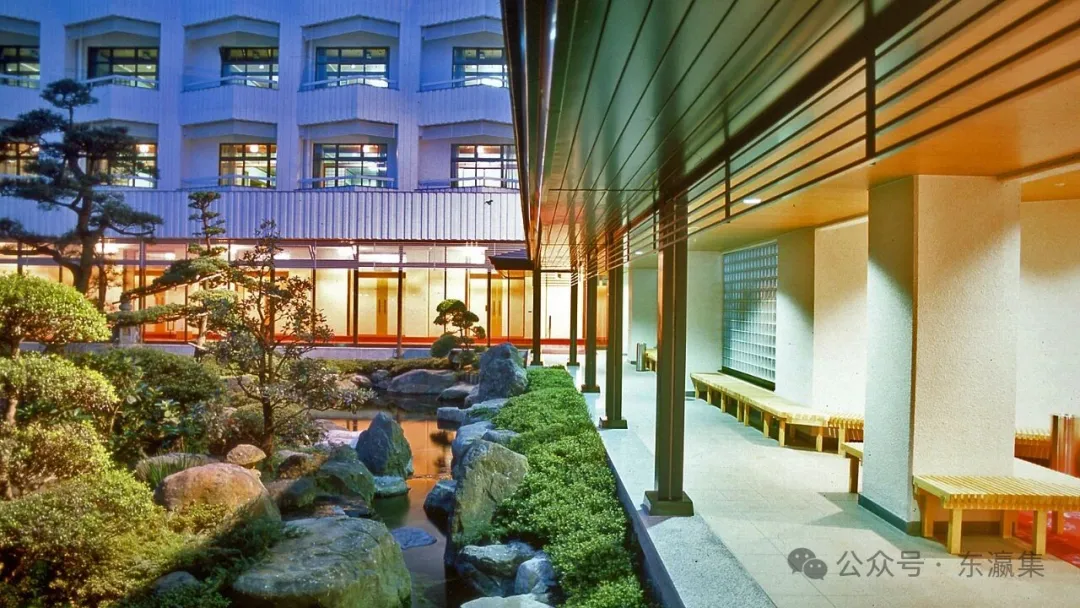
"The price and location were perfect – I knew I had to do it. The courtyard Japanese garden really spoke to me. Checked out 20 properties around the country; it won. The guests were already wowed. We took a year to renovate, showed it at travel fairs in China, and promoted it on social media. Now 80% are Chinese visitors. It's the place with the most foreigners in Isawa. That garden is what sets it apart – no one else has it. Some Chinese guests are content to simply dip their feet in the view."
—The Nasu one, too?
"Got it a little earlier than Kaiji. Lower purchase costs millions of yen to renovate. Kaiji's more business-style; Nasu's luxury, 40-50k yen per night. Reopened in September 2023 - people loved the food. Almost all guests are Japanese. Nasu is far from Tokyo, with cold winters, so the Chinese are less than 10%."
—How do Japanese properties stack up from a Chinese view?
"By 10-20% cheaper. In China, land is owned by the state; ordinary people can't buy it. Here in Japan, Chinese people own the land. For the long term, Japan is the choice."
—Kaiiji turning a profit?
"COVID emptied Isawa Onsen; small hotels were sinking. Still, I knew I could turn it around. Japan's representation abroad is growing. More foreigners dig the culture. I'm Chinese, but my target is overall tourists."
Does the Old Japanese High-Cost Way Fit Anymore?
Hanakyo Hotel is just hundreds of meters away from Kaiji. Now it is also under Chinese ownership. In August 2023, after the epidemic subsided, a civilian, Mr. Don, bought it. He arrived in Japan 30 years ago as a company executive in Fuefuki city. Most live in China these days, but politely answered phone calls from there for interviews.
—Why pick up Hanakyo?
"The Japanese owner was in trouble and sold up. I thought a new reno, cutting staff costs, changing plans - the quick solution to turn it around again," Mr Dong said calmly.
However, he espoused traditional methods: "Japanese operating costs are too high; it doesn't work these days. Things have moved on."
—Business picking up?
"Smooth sailing. Full house. The Chinese guests are now a bit away from the Japanese."
Hearing about struggling Japanese managers moving to Chinese managers and seeing a rapid turnaround – it's a story you hear often. Don't be surprised if more local inns and hotels move to that route. Actually, Mr. Dong runs the Hanakyo Plus spot in Kofu city.
Japan's Properties Feel Like One Big Sale
Fewer people are coming to Isawa, highlighting the changes. With more Chinese-run hotels on the east side, tourists come for a stroll after check-in in the evening – places like "Real China" restaurants and Taiwanese foot massage places are popular. above
Longtime Japanese locals see the changes on a large scale and are deeply concerned. What do you think about this intense "Chinese atmosphere" in Fufuki City Hall? The reporter checked in.
A person from the tourism and industry section said, "We know that more Isawa inn and hotel owners are becoming Chinese. The price of accommodation here is about one third of that in the Mount Fuji or Lake Kawaguchi areas, which attract Chinese tourists."
He added, "Yes, some residents express strong views on more Chinese operators. But in the end, these are just business deals; the city cannot step in. We believe that increasing overnight stays is what matters most – no matter the country, people have empty rooms. Better revenue for venues means more taxes, which is tied to keeping the area alive."
That's the deal in resorts and onsen towns in rural Japan. The sugar boom has really hit rural areas. The staffer concluded his talk in part by recalling a 2023 comment from a Chinese owner at City Hall: "For us Chinese, Japanese real estate looks like a big-deal sale everywhere."
Huge sale—probably spot on. The team set out to delve deeper into just how much Chinese capital has so far taken over local holiday and hot spring destinations. Started by requesting public records from the province, etc., for a list of licensed taverns. Those lists note names, addresses, license dates, as well as the name of the owner or representative. They were used to locate people potentially linked to the Chinese.
Porin Over 300 Records: The Low-Key Story of These Quiet Buys
Names don't prove nationality, so they pulled land and building records for the companies. China address? Counted as the Chinese capital. This round, over 300 records grabbed, zeroing in on post-2010 cases where buys jumped. Findings:
Chinese money has taken at least 67 spots across 39 local areas nationwide. Big-name places like Hakone and Izu are in. Even out-of-the-way ones only insiders know, like Aga Town in Niigata, Hakusan in Ishikawa, and Imandra, Tottori.
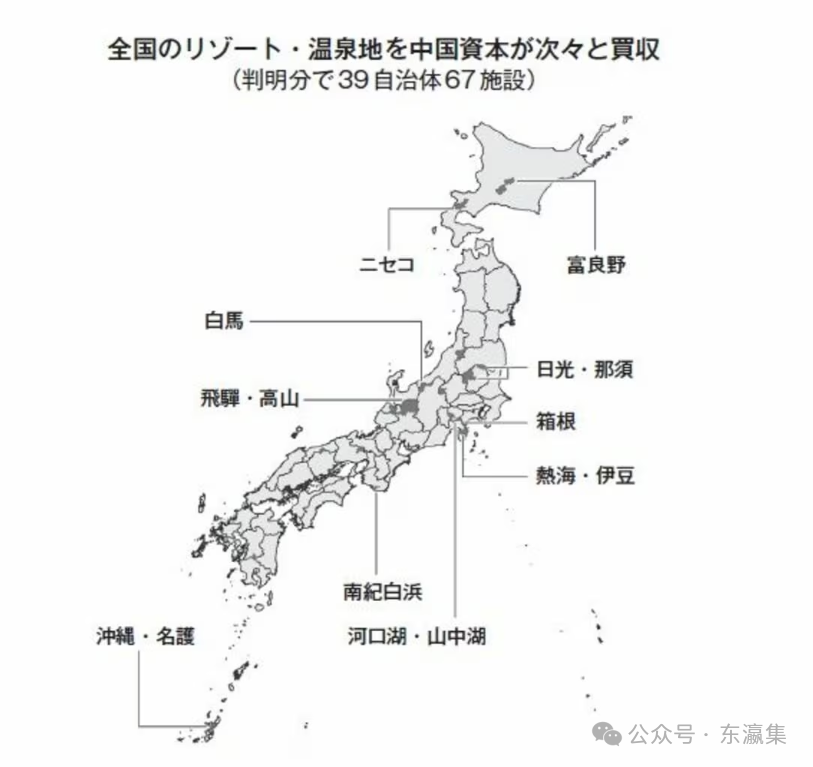
These cases are probably just the beginning. Tokyo Credit Checker said, "There are so many places where the true owners remain hidden;en, the records do not match the actual control." The team saw such examples at the Izu City Ryokan during their work.
On the big Chinese property sites, there are still plenty of listings available for Japan's rural getaways and classic inns:
"Izu – Brand new onsen hotel, standalone, direct from developer, assistance with move to Japan, 5.53 million yuan (about 120 million yen)."
"Karuizawa-Tokyo's backyard standalone ready, assistance to move to Japan, 3.05 million yuan (about 62 million yen)."
"Tokyo—Mount Fuji Foot—Fuji N Phase 5 Hotel—with tenant, 2.38 million yuan (about 48 million yen)".
The Chinese have the highest interest in ski areas, with Hokkaido topping the list.
Once the pride and joy of Japan, it is now a "bargain sale." As the population declines, overseas Chinese influence reshapes the countryside – quietly, but without looking back.