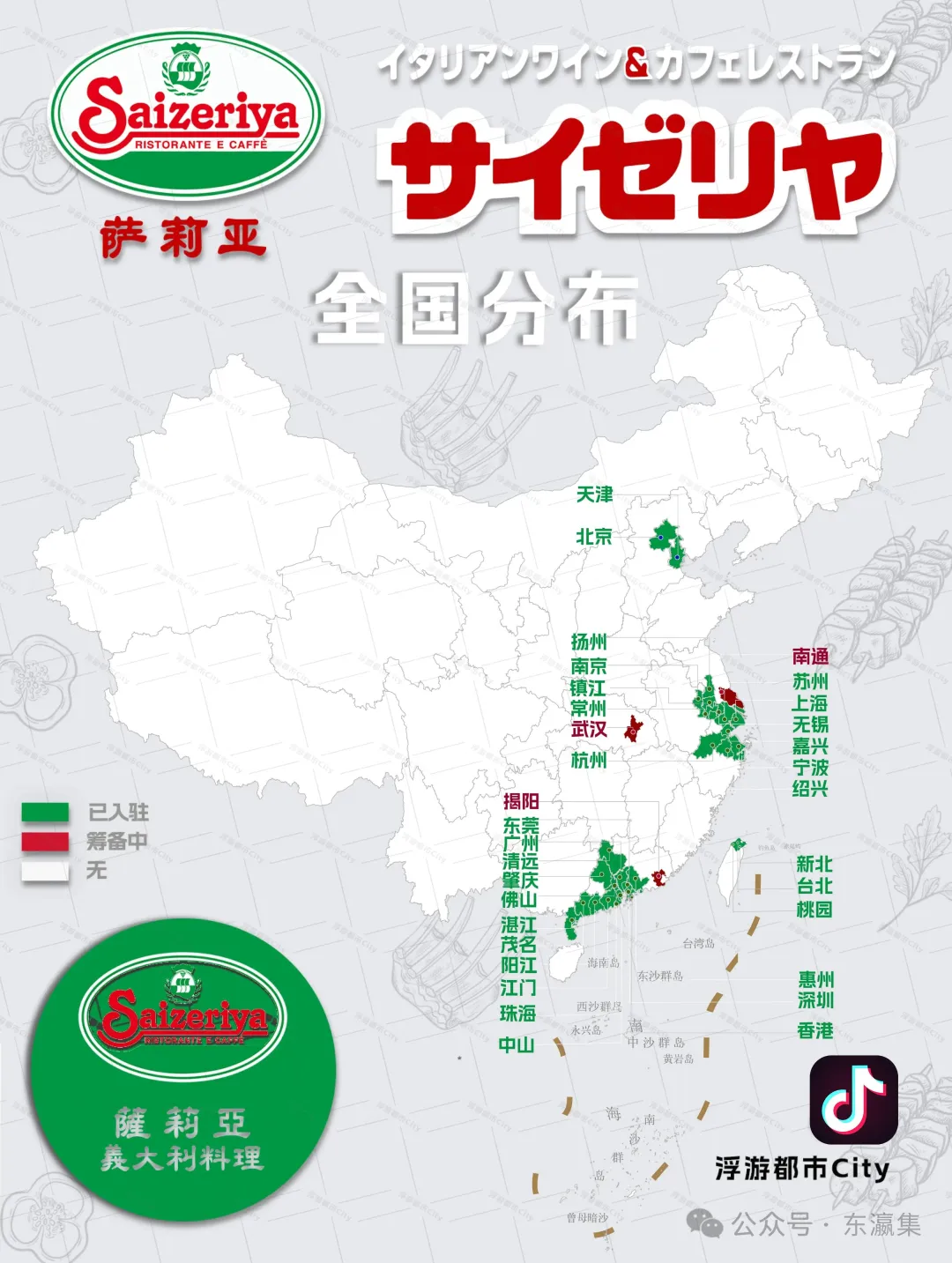
Saizeriya, the Japanese Italian-style restaurant chain, announced in September that it was fully operating in mainland China. The company wants to nearly double its footprint, from 496 locations today to close to 1,000 by 2035. The timing is clear – China is facing deflation and weak consumer spending. But Saizeriya has long thrived in Japan's deflationary environment, so many are curious to see if it can do the same thing in China.
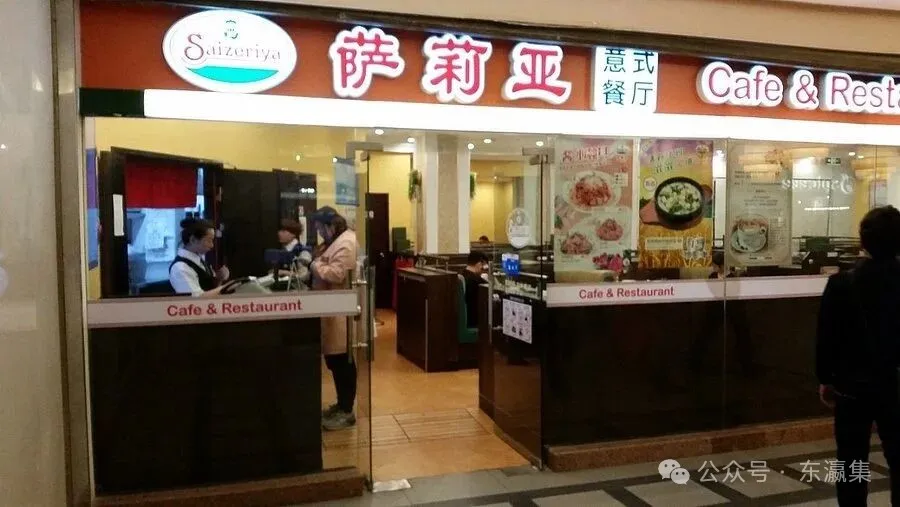
The average check at Saizeriya is about 45 RMB, which is higher than China's dining average of 30 RMB (about 630 yen). Not cheap at all. But here's the problem – China's strong "family dining culture" gives sizzeria the edge. Most places where five or more people can sit together are expensive, banquet-style restaurants. Saizaria offers a group-friendly setup at very low costs, which helped it grow rapidly during the pandemic.
Can the 1,000-store goal really happen?
IT journalist and China economy expert Takafumi Makino thinks so. He predicts success, even saying that growth could exceed expectations if the current pace is maintained. While housing market problems have hurt spending in big cities, smaller cities are seeing the opposite – personal consumption is rising, with disposable income rising by about 5%. Saizeriya's pricing fits well into these markets, making them prime targets for expansion.
Makino points out that KFC already has more than 10,000 stores in China, McDonald's has about 7,000, and Pizza Hut has about 3,000 stores. Saizeriya has the potential to stand alongside these giants. But there's a problem: Each Caesaria location is company-owned, not franchised. This makes growth slower than rivals. On the other hand, it means the brand can act quickly on customer feedback and keep quality consistent – something franchise-heavy chains often struggle with.
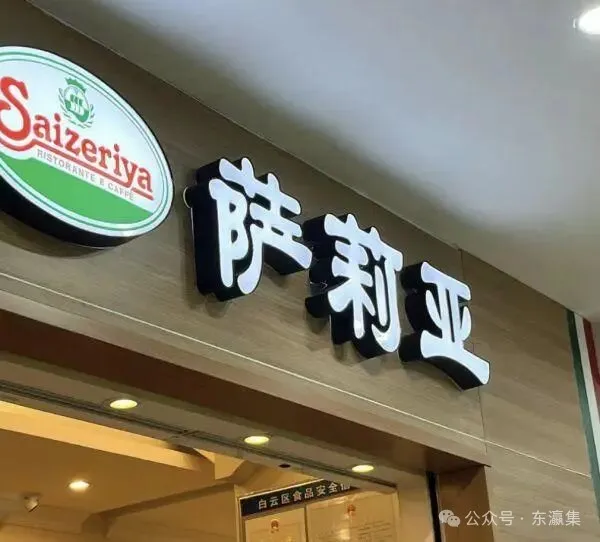
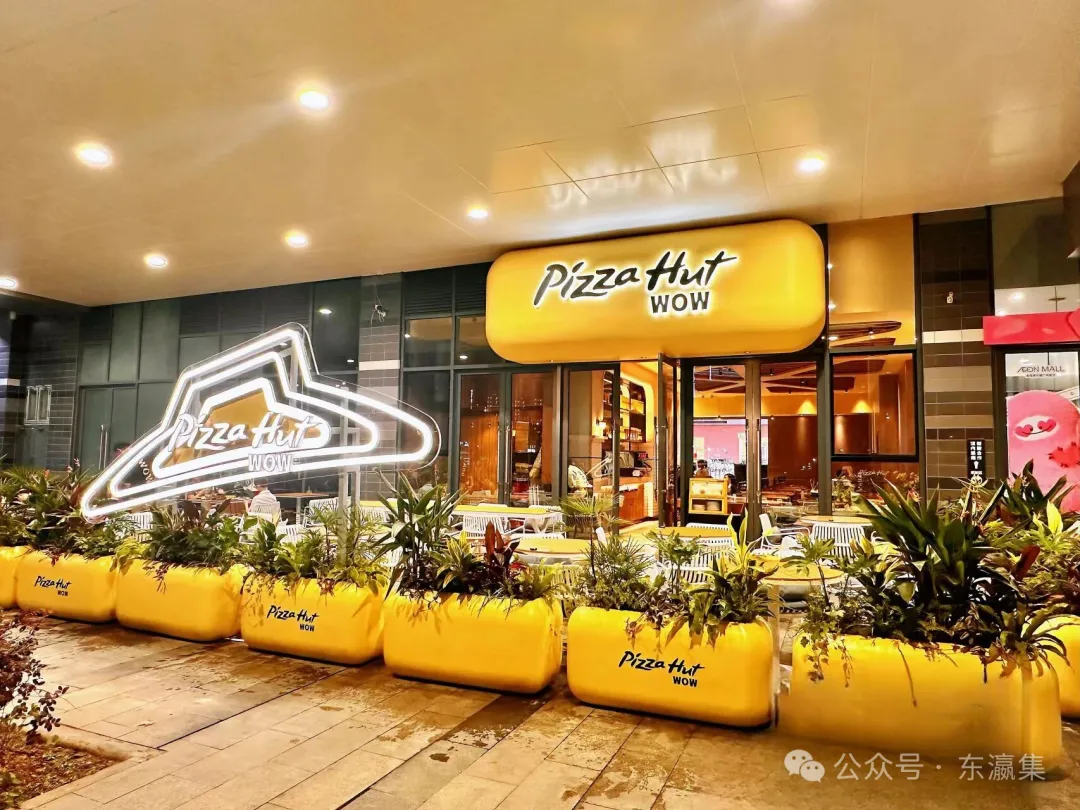
Still, competition is heating up. Pizza Hut, which focuses on delivery in Japan, runs dine-in restaurants in China with an average check of 75–78 RMB. Recently, it launched a budget concept called "Pizza Hut Wow", priced at exactly 45 R, which directly matches Caesaria. Turn? WOW stores feature in-house ovens and promote "authentic baked pizza", while Pizzaria stores rely on a central kitchen with simple finishings. That difference has become Pizza Hut's weapon in this fight.
By the beginning of 2025, Pizza Hut WOW already had 150 locations, some of which opened right across the street from Pizzaria. The rivalry is impossible to miss.
New menu items could be the game-changer
Makino emphasizes that sugar eaters get bored quickly. Local ramen shops introduce 40-50 new dishes a year, practically something new every month. If Saizeriya can't survive, it risks losing customers quickly. In Japan, the chain has seasonal limited-time menus, but in China its update pace is only twice a year – much slower than local competitors.
With expansion also comes pressure for profit. Operating profit in Beijing, Shanghai, and Guangzhou fell 82.7%, 92.5% and 96% from the previous year in Saizeriya's Q1 2025 report. The store count rose nearly 10%, but same-store sales fell 10%. To support the 1,000-store plan, Saezria is building a new 12,000-square-meter factory in Guangzhou, which will open in January 2026. It is also improving its central kitchen and global supply chain to cut costs and protect margins.
The “cheap eats” label hides a cost-control strategy.y
Most Saizeriya stores are located just outside prime shopping districts to save on rent. More than half of its employees are part-time, with Beijing's hourly wage being 26.4 RMB and set at 96 hours per month. Labor costs remain low. This frugal approach helped the brand grow China sales by 25% and net profit by nearly 60% in FY24. But after raising menu prices by 1–2 RMB last year, cracks in competitiveness started to show.
Beyond pricing, Saizeriya promotes the joy of mixing and matching dishes and the idea of dining as a way to connect with others. That fits nicely with China’s family-style dining culture. Still, with Pizza Hut pushing hard, local diners craving constant novelty, and the slower pace of company-owned expansion, the road to 1,000 stores by 2035 is far from guaranteed.