Japan's police system is both complex and surprisingly efficient. There are multiple layers at work, from the national level down to local stations. The three names you'll hear most often are the National Police Agency, the Tokyo Metropolitan Police Department, and the local police station. They seem similar, but each has its own roles and responsibilities. Let's take a look at how the system works and what separates these groups.
1. National Police Agency: The Country’s Command Center
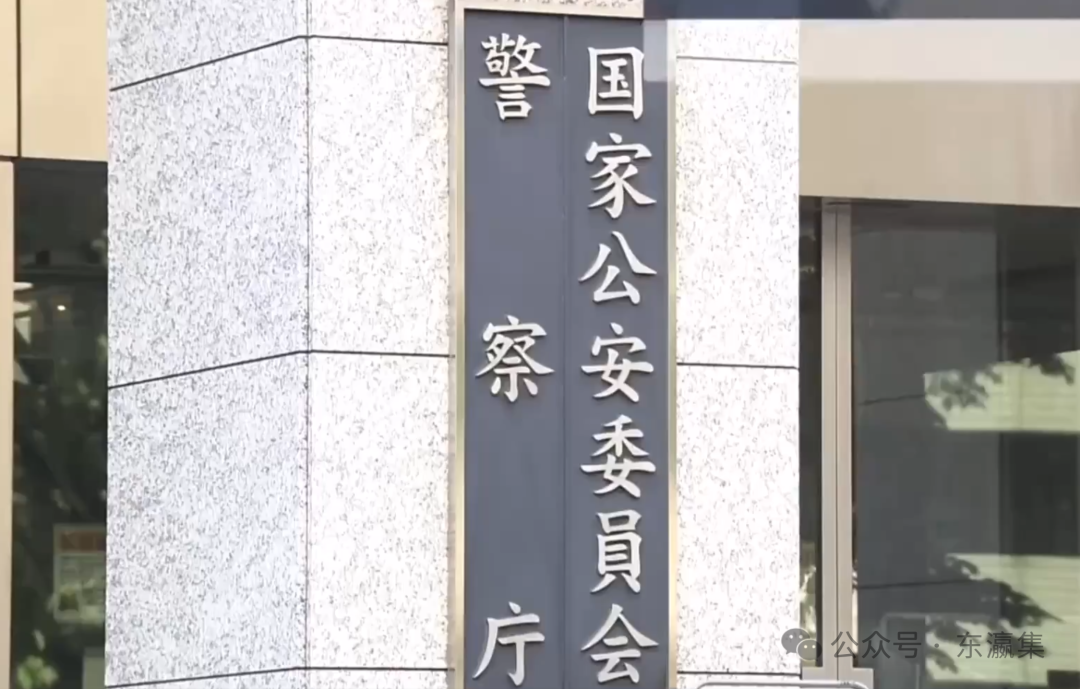
The National Police Agency (Keisatsuchō) sits at the top of Japan's law enforcement structure. It reports directly to the National Public Safety Commission, which is part of the Cabinet Office. This agency does not send officers to patrol the streets. Instead, it handles nationwide policy, resource allocation, and coordination across all 47 provinces. Think of it as the brain of the system – dictating strategy while local forces handle the action.
Main responsibilities include:
- Creating national policies, like counterterrorism strategies and crime response guidelines.
- Coordinating investigations that cross prefectural lines, such as organized crime or cybercrime.
- Setting training standards, promotion systems, and managing police equipment nationwide.
- Handling matters tied to national security and public order.
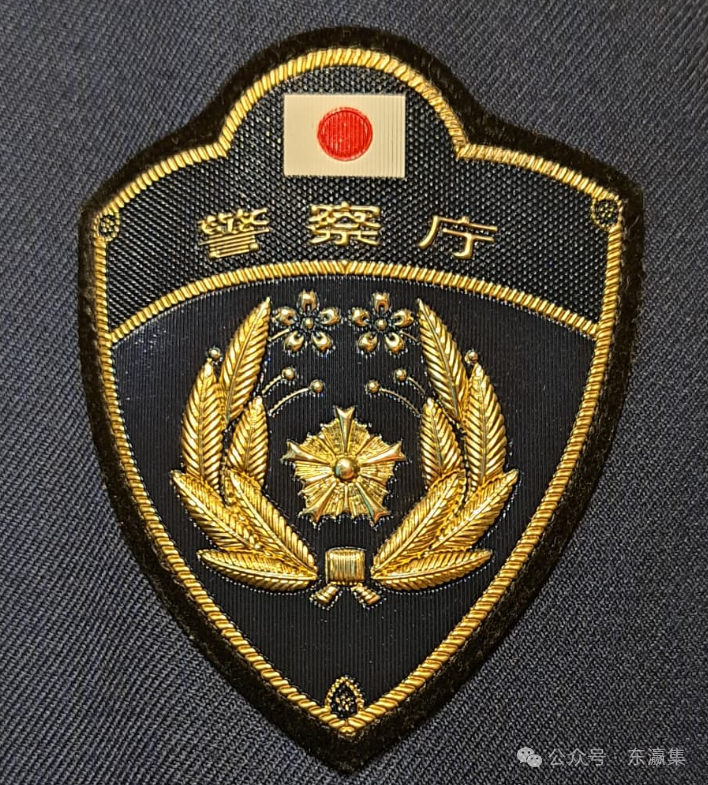
Its headquarters are in Tokyo’s Kasumigaseki district. While it doesn’t directly enforce laws, it makes sure local police forces have the guidance and resources they need.
2. Prefectural Police: Local Enforcement Power
Each of Japan's 47 prefectures operates its own police force. These are the boots on the ground, handling everything from crime prevention to traffic control. Each prefectural force has a headquarters—such as the Kanagawa Prefectural Police or Osaka Prefectural Police—which oversees all policing in its area.
Main duties include investigating crimes such as theft or assault, managing traffic safety, responding to disasters, and building trust through community patrols. Under each headquarters are local police stations, which deal directly with residents – taking reports, investigating cases, and keeping the neighborhood safe.
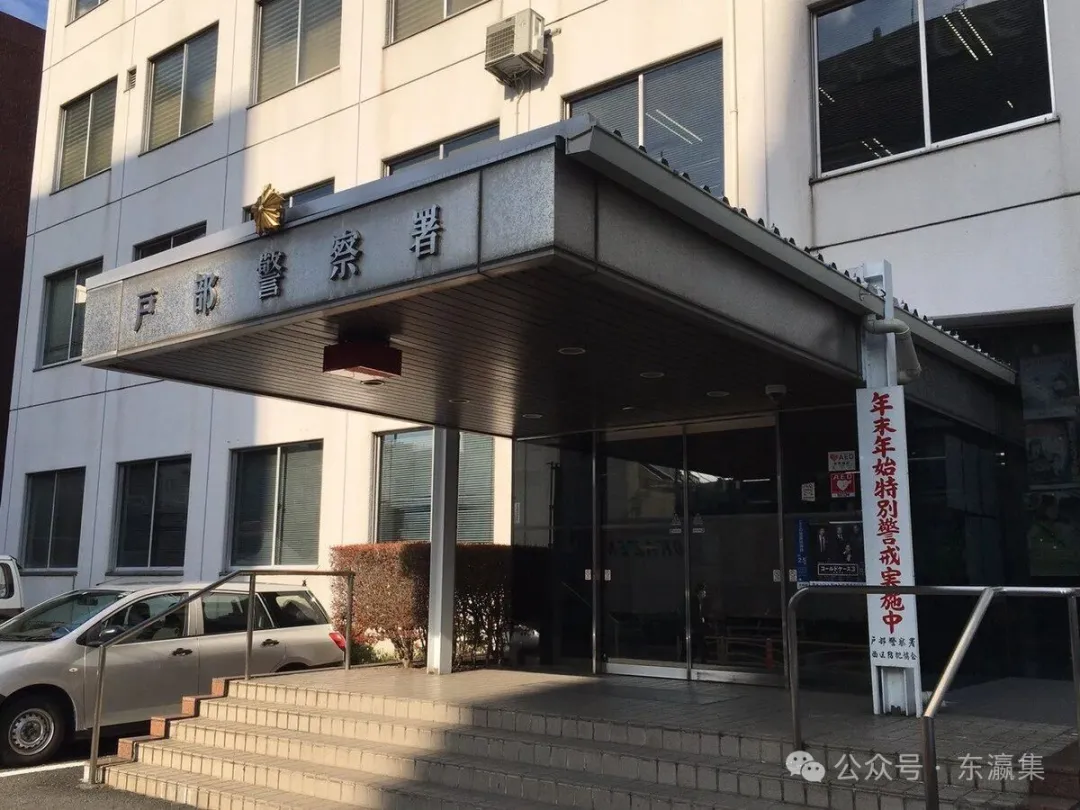
Stations are supported by smaller units called kōban (police boxes) and chūzaisho (residential police posts). Koban are found in busy urban areas, staffed around the clock, while chūzaisho serve rural communities with only one or two officers who often know the locals personally. Together, they bring policing to the heart of everyday life.

3. Tokyo Metropolitan Police Department: The Giant of Local Policing
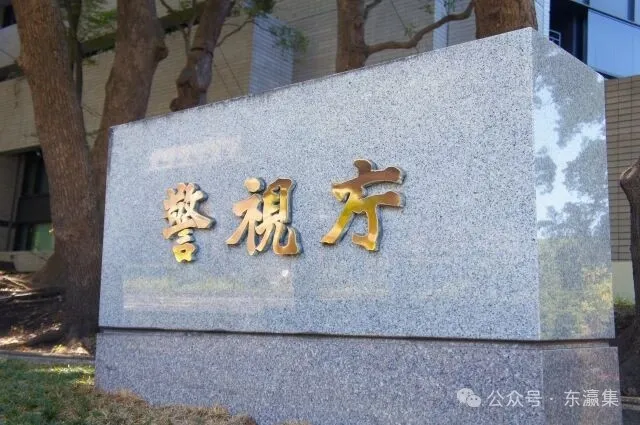
The Tokyo Metropolitan Police Department (Keishicho) is unique. Unlike other prefectures, Tokyo's police headquarters has this special name, which is derived from the Meiji era. With more than 43,000 officers, it is the largest and most influential police force in Japan, covering 23 wards anthe d the surrounding areas of Tokyo, home to more than 14 million people.
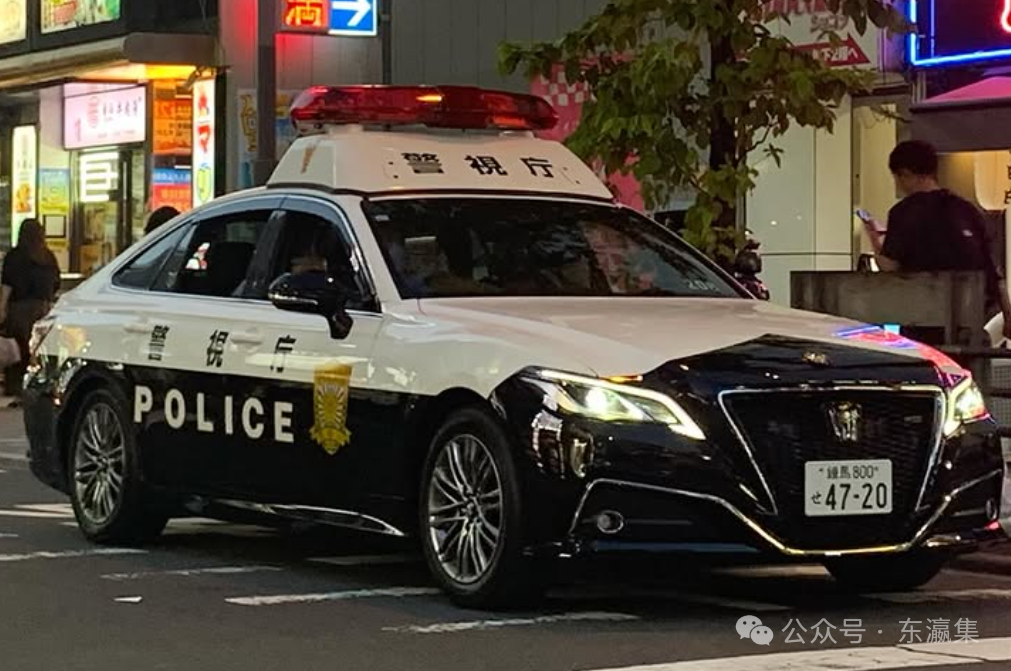
Its responsibilities go beyond everyday crime and traffic. The Tokyo force protects the royal family, political leaders, and foreign diplomats. It also plays a major role in counter-terrorism and the prevention of international crime. With 102 police stations and special divisions such as riot squads and criminal investigation units, the department is built to handle the demands of the global capital.
Headquartered in Chiyoda, Tokyo, it sits adjacent to the National Police Agency but serves a very different purpose – direct enforcement versus national oversight.
4. Comparing the Three
Here’s a quick way to see the differences:
- Level: The National Police Agency is nationwide, the Tokyo Metropolitan Police is local to Tokyo, and police stations serve specific areas.
- Role: The agency sets policy, Tokyo’s force enforces laws in the capital, and stations handle daily policing.
- Scope: National covers all of Japan, Tokyo covers the capital, and stations cover neighborhoods.
- Size: The agency is mostly administrators, Tokyo has tens of thousands of officers, and stations range from dozens to a few hundred staff.
Even though their names sound alike, each plays a vital role. Together, they form a layered system that keeps Japan’s streets orderly and its communities safe.

![2023 Japan Prefectures' Charm Ranking [Full List of 47 Prefectures]](https://www.japanrar.com/wp-content/uploads/2023/10/1697763467-5325251.jpg)