Since the beginning of this year, several Japanese citizens traveling to Southeast Asia to join local scam gangs have been arrested. They were first lured by the promise of "easy money" and "high income", but later had to live under strict surveillance and were forced to make frequent fraudulent calls. As the police investigate deeper, the violent reality inside these fraudulent complexes is slowly coming to light.
Facilities Seem Complete, But Freedom is Locked.
In Poipet, a city in northwestern Cambodia, investigators found a group of apartment buildings where Japanese recruits lived together while participating in scam operations.
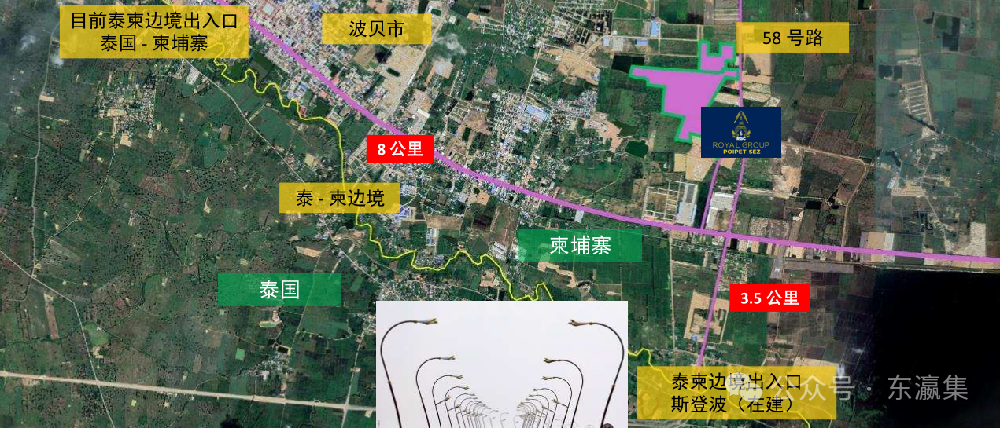
⬆ Poipet Economic Zone
A man who returned to Japan in January told Aichi police: "More than 20 Japanese lived inside a walled compound, and made prank calls to the office every day." That tip led to 29 men and women being deported from the site in August and arrested for attempted fraud. They were all "dialers," making calls.
Police said the group lived in an apartment complex inside complex. On the surface, it looked like a normal community with a convenience store, clinic, barber shop, and even a nail salon. But permission was required to visit, and armed guards stood watch at the entrance. Some suspects also claimed to have seen lions, tigers, and crocodiles kept inside.
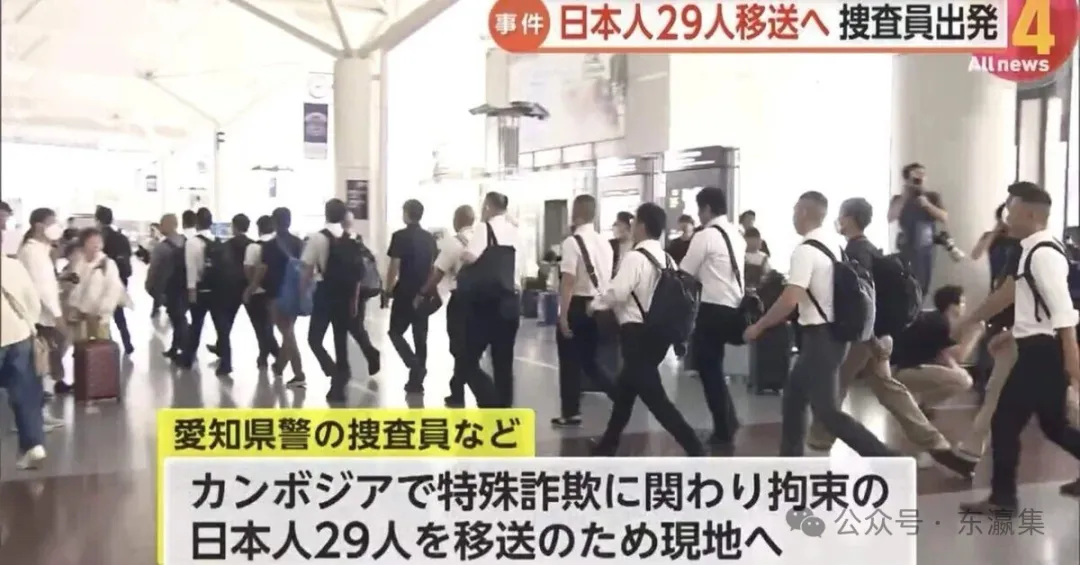
⬆ Aichi police escort 29 Japanese suspects back home
Chinese Overseers Run a Highly Organized Scam System
Under the constant surveillance of Chinese masters, the complex ran a tightly controlled phone scam operation. The 29 recruits were divided into groups, each working in separate rooms, pretending to be telecommunications workers or police officers. Using smartphones, they used to call the victims from morning till night. The food ordered was Japanese cuisine, Chinese cuisine, or fast food.
The daily routine was strict, with fixed times to wake up and turn off lights. The "performance" of the scam was tracked on a whiteboard. Cameras monitored every corner, and being late meant a fine. Newcomers had to memorize a script handbook. At the end of each day, all dialers attended reflection meetings, replaying the call recording and discussing how to sound more solid.
Poor Results Bring Brutal Punishment, Pay Ends Up With Bosses
Anyone who failed to hit the target or was asked to go home faced a beating. Some were tortured - ears were burned with a turbo lighter, nails were cut. One suspect told police: "The environment was worse than I thought."
Most of the 29 had gone to Cambodia because of debt, lured by the promise of quick cash. Recruitment took place both online and face-to-face. Police believe the recruiters worked inside Japan, while being guided by local contacts abroad.
The dialers earned only a small portion of the fraud money. Those playing the role of "cop" got a little more for a tough job. But most spent their salaries inside campus sex venues or on paying off debts. By the time they were deported, almost all had no cash left – one had only 2,700 yen.
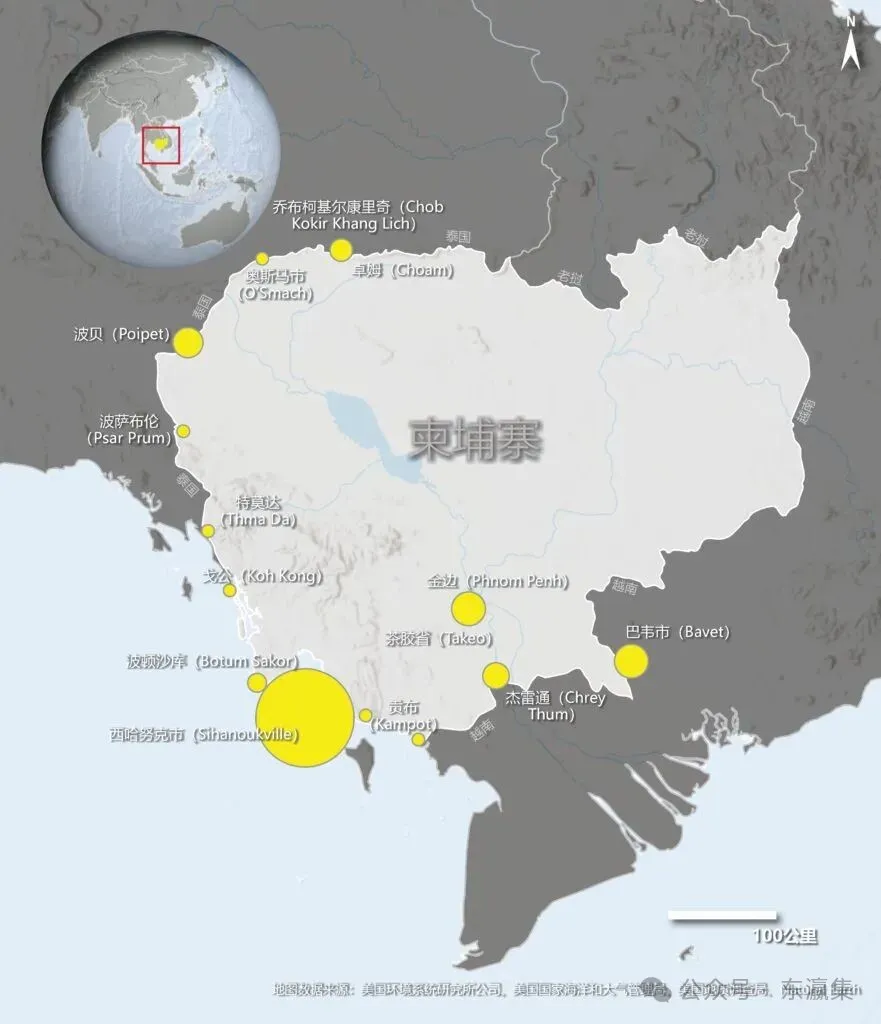
⬆ Map of Cambodia’s 53 scam zones
Myanmar Camps: Pay Docked for Living Costs, Miss Targets and Get Shocked
Similar cases were reported in the eastern border area of Myanmar. Japanese recruits there were also forced to make prank calls under threats of violence. Missing the quota meant no pay and electric shock with stun batons. The compound was surrounded by barbed wire and guarded by armed men, mirroring Cambodia's system.
In April, two suspects arrested by Aichi police had previously told friends that they would get "high-paying part-time jobs". In fact, his salary was deducted to cover the expenses of living inside the camp. Both of them had less than 10,000 yen in cash when they were caught.
Officials investigating both Cambodia and Myanmar, id: "In these compounds, money is spent on every daily expense. Whatever dialers earn through fraud eventually comes back to the managers, creating a closed cycle of exploitation."