Outside Japan, it is very common to see soccer players – whether still active or retired – covered in tattoos. But back home, things look very different.
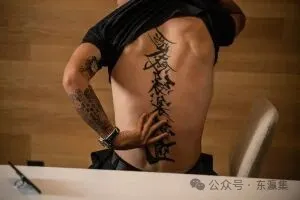
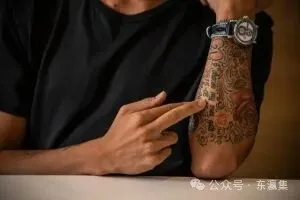
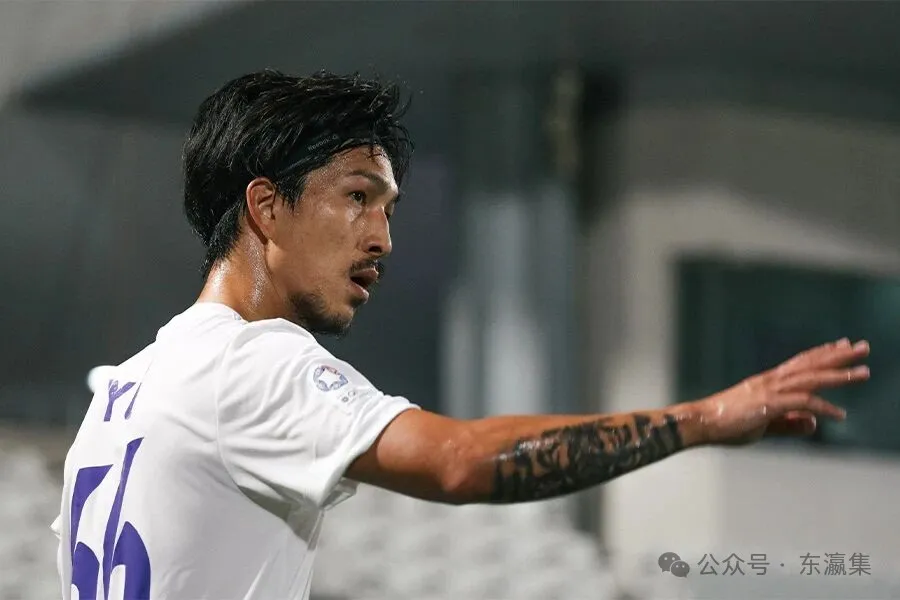
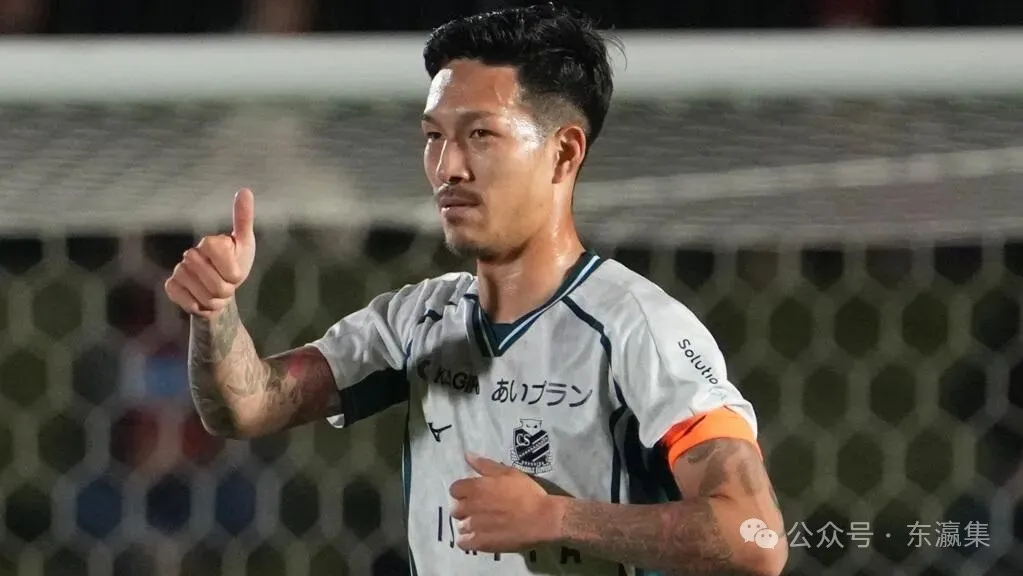
Tattooshaving been technically legal in Japan since 1948, yet former national team midfielder Yuki Kobayashi is still considered an outsider. His arms, shoulders, and back are inked.

While the J.League and the national team do not officially ban tattoos, players are often encouraged to cover them during formal events.
In Japan, tattoos have long been associated with the yakuza, so the stigma runs deep. Even today, people with tattoos may be denied entry to public places such as pools or hot springs.
Kobayashi, now 33, recently spoke with Japanese media about why he chose tattoos and shared advice for anyone considering them.
Q: How old were you when you got your first tattoo?
Kobayashi: I was 23 years old, already in my fifth year as a professional. In Los Angeles, a Japanese tattoo artist painted a design on my shin guard. That's when I started getting curious about tattoos.
The artist actually told me not to get a tattoo, saying that a tattoo wouldn't be a good fit for my life in Japan or my career. He even refused to get me inked, which I found strange – tattoos were his livelihood, after all.
Later, I researched Japan's tattoo history and realized why. Tattoos were seen as marks of "bad people" in society. But I was determined. I knew that even after retirement, I would keep them with me for the rest of my life.
Question: Did he finally agree?
Answer: He asked if I was really ready. He warned that if I didn't do well in football,my tattoos would just look like doodles. I told him the design I wanted, and he eventually got it tattooed on my left arm.
After that first one, I kept going—inking my other arm, shoulders, back, and legs. I love them all.
Question: What was your family's reaction?
Answer: My first tattoo was inspired by my mother's and sisters' names. They were happy. I thought my dad would be angry, but he wasn't angry - just disappointed that his name wasn't included. So I added it later.
Q: Was it about fashion?
Answer: Not at all. I will never write anything I don't like. For me, tattoos are about self-expression. In business meetings, I wear long sleeves to cover them up. It's not about showing off – it's about respecting the setting.
If I wanted to make a fashion statement with a huge design, I could do that. But I didn't do that. I just added them one by one without worrying about the overall look.
Q: So do your tattoos reflect your mindset?
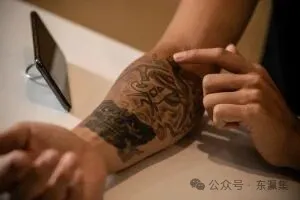
A: Absolutely. Each one shows where I was mentally at that time. At the age of 27, I got a tattoo of a tiger on my right arm. I was playing in Europe and had made the national team. But I felt like I lost some drive. The tiger reminded me to pursue opportunities and fight hard – even against teammates.
That tattoo keeps me focused. Football is my only way out. This season, I joined a JFL club, three levels below J1. I have to climb back up.
Q: Do people accept your tattoos?
Answer: Honestly, I don't care much. But once at a café, a server told me that a customer didn't want to see my tattoos. I had to put the jacket on, move, or leave. At the national team, the staff said sponsors didn't like tattoos, so I wore long sleeves. Players trust sponsors—it's part of the deal.
My first national team goal came when I wasn't wearing sleeves – I was surprised. In the next match in Saudi Arabia, the temperature was around 40 degrees Celsius, and I still wore long sleeves. It was cruel.
Q: Did you cover up tattoos in J.League games?
Answer: There's no rule against tattoos, so I didn't do it. But when signing with new clubs, I always asked if they had any objection to it.
Some fans criticize my performance. I once posted that I can't erase tattoos, but I can learn from sports and aim to win next time. There is criticism of tattoos in Japan, but if fans attack my game, I hold back—I always think about my strategy.
Q: How are tattoos viewed abroad?
Answer: Coaches in Europe also have tattoos. Strangers compliment me in cafes. Tattoos are more accepted as a fashion in Korea than in Japan.
Q: How about young people getting tattoos in Japan?
Answer: It's becoming trendy, but I would still say think twice if you live in Japan. Parents often worry that this will affect their children's future. Schools cannot accept students with tattoos. If you are inked, your job options are reduced.
If you can make money doing what you love, tattoos are not a problem. But if your dream job might reject you for having them, don't take the risk. Wait until you're the boss—then do whatever you want.
Q: So, people should consider the advantages and disadvantages?
Answer: Some youth regret it later. Tattoos don't disappear completely—even when removed, scars remain. Your body is yours, but don't make a choice you'll regret. My tiger tattoo took over 10 hours to create. It hurt so much that I almost quit. But it was my decision, my money, my responsibility. Never sign just because someone else suggests it.
Q: Do you hope Japan will become more open to tattoos?
Answer: Sometimes I want to swim to recover, but to avoid trouble, I wear a long-sleeved swimsuit. When I take my kids in the future, I'll have to think about how to keep things running smoothly. I hope society will become more tolerant.
But I don't think Japan should change its attitude completely. When I chose tattoos, I knew daily life would come with restrictions. That was part of the deal.