Japan has seen a huge surge in foreign visitors, and with them comes something locals aren’t used to—tipping. More and more travelers are leaving tips at restaurants, often unaware that this isn’t a common practice in Japan. The result? Confusion, innovation, and even frustration among locals who worry tipping culture might take root here.
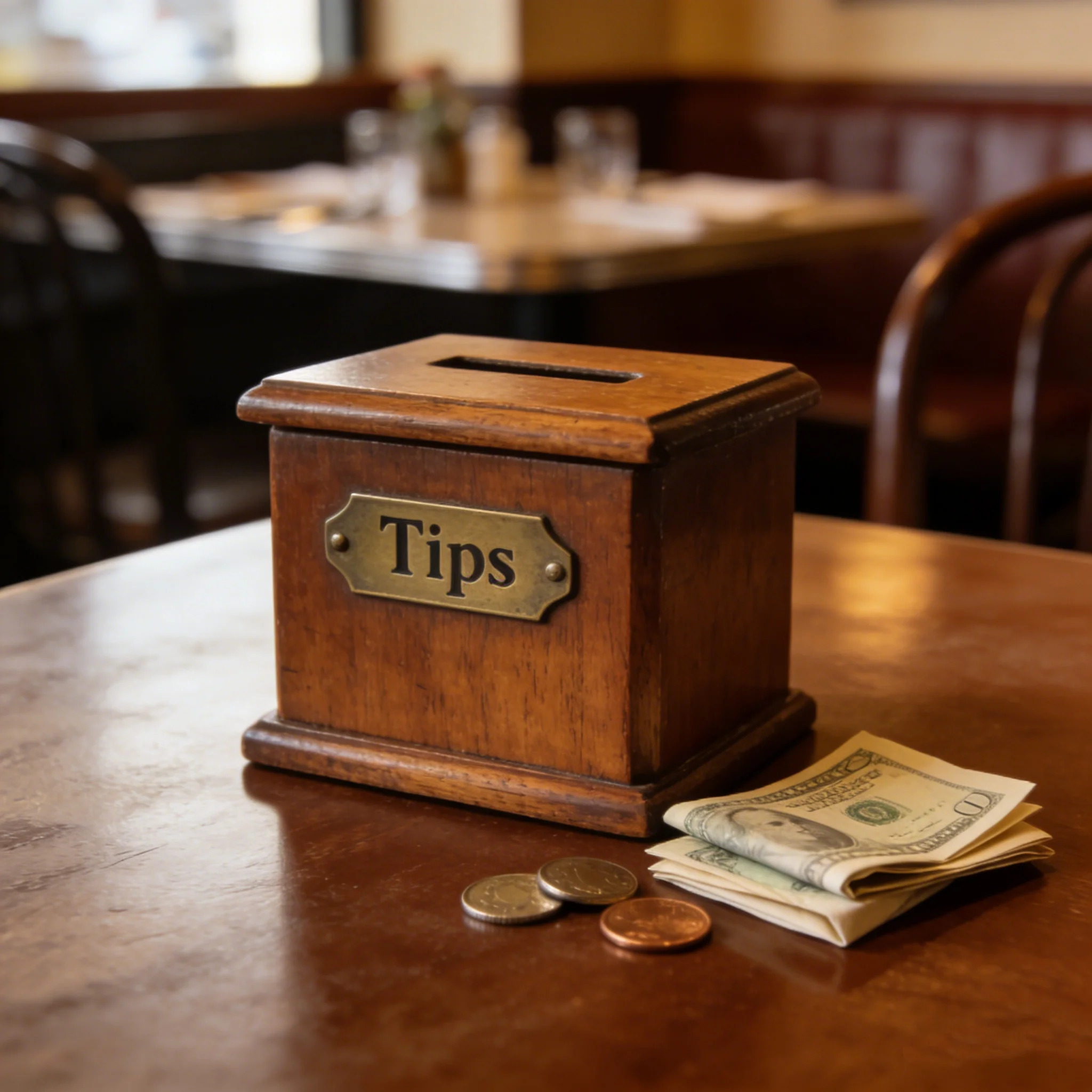
One Japanese restaurant chain with over 20 branches decided to make a change after staff kept reporting awkward encounters with customers trying to tip. Since last February, nearly all of their stores have placed a tip box by the register.
According to the company, each location now collects tens of thousands of yen in tips every month. A manager explained: “Japan doesn’t have a tipping culture, so employees were caught off guard. When the restaurant is busy, it’s impossible to handle each case individually. A tip box became the easiest solution.” The money is recorded as miscellaneous income and used for staff benefits.
Not everyone is happy, though. Some customers have reacted angrily, saying: “We don’t want tipping culture in Japan.” On social media, others questioned whether restaurants were pocketing money meant for staff.
The Old “Tea Money” Tradition
Tourism expert Shoji Ishizaki from Ritsumeikan University explained that Japan actually had a tipping-like custom before World War II. Guests at inns would give staff “tea money.” But around the 1964 Tokyo Olympics, this was replaced with fixed service charges to streamline operations.
Today, hotels usually add a 10% service fee, while traditional inns charge 15%. Some upscale restaurants still include a set service fee. Unlike in the U.S., where tipping is expected and servers rely on it as income, Japan shifted to a system where service costs are built into the bill.
One Osaka-style restaurant chain, “Chibo,” tried introducing tipping at its high-end branches in 1992. Customers ignored it, and the system was quickly scrapped.
Mobile Tipping Options
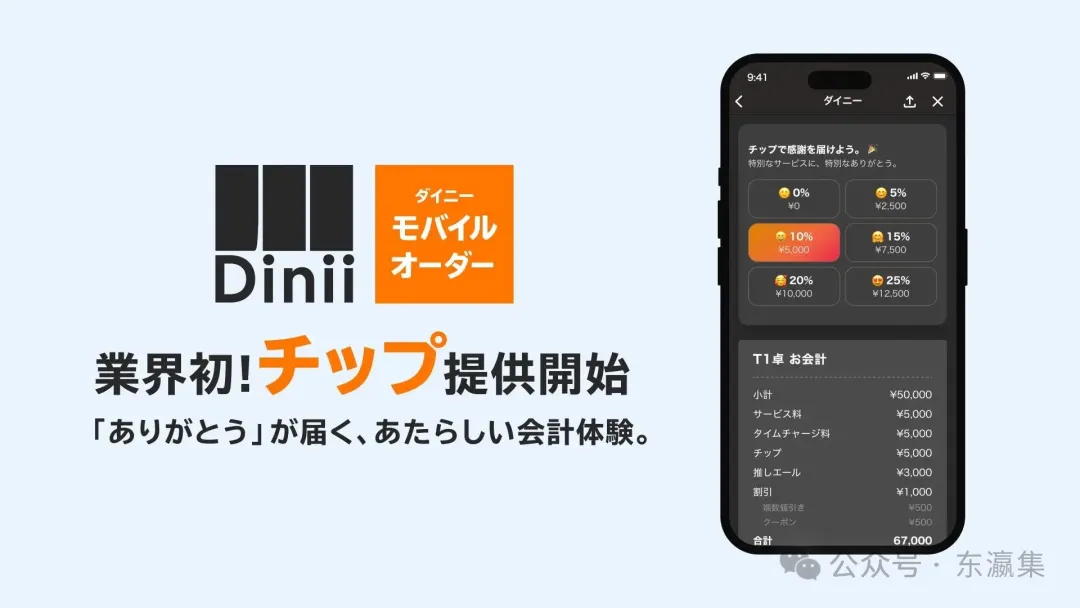
To make tipping easier, Tokyo-based company Dinii developed a mobile ordering system that lets customers add tips directly to their bill. Launched in June, the app allows up to 25% extra. About 900 restaurants nationwide now use it, especially in tourist-heavy areas like Shinjuku and Osaka’s Namba district.
Yakitori Smith, a popular grilled chicken chain, embraced the system. Owner Takashi Waki said: “It motivates our staff and makes the atmosphere livelier. We use the tips for team gatherings, and everyone enjoys it.”
Low Wages and Labor Shortages
Ishizaki noted that many restaurants frequented by tourists now face a tipping dilemma. Workers in Japan’s food industry earn some of the lowest wages across all sectors—about 269,500 yen per month, according to last year’s labor ministry survey. With staff shortages worsening, tipping is becoming harder to ignore.
He explained: “In Western countries, people expect to pay for service. In Japan, there’s resistance to putting a price on hospitality, which is understandable. But if service continues to be treated as free, productivity won’t improve.”
His view is that ideally, businesses should include service costs in pricing and ensure profits are fairly shared with employees.