Noise, trash, and endless disputes have forced seven Osaka municipalities to say they have completed the "Special Area Minpaku" program. On November 29, Minoh Mayor Ryo Harada said directly to Kansai TV: "Minoh City will also withdraw."
95% of Japan’s Special Zone Minpaku are in Osaka
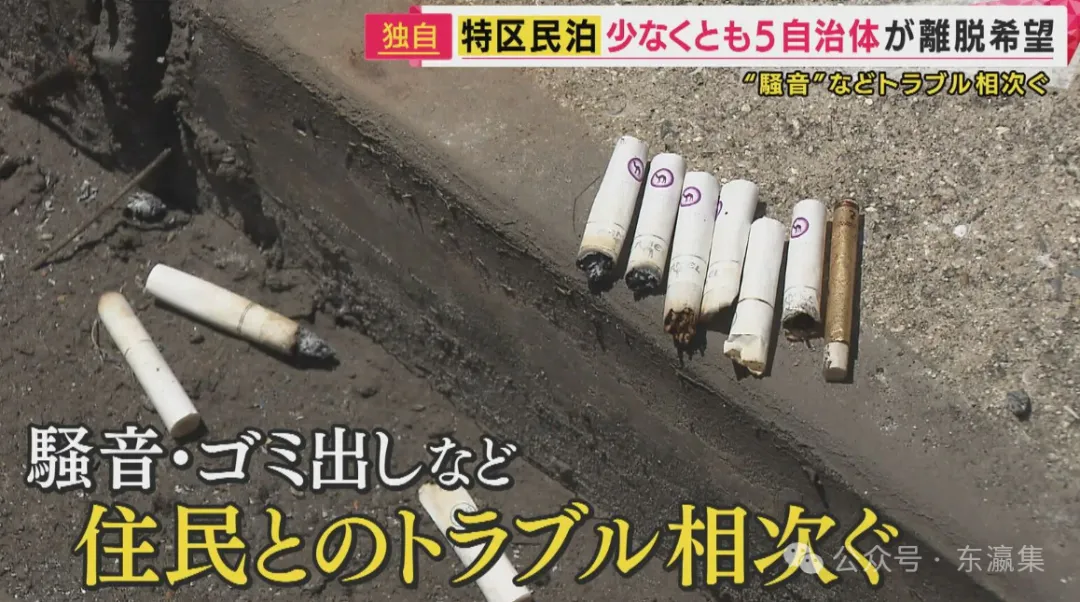
The system was designed to ease the housing shortage for foreign visitors to Japan. Unlike regular minpaku, these rentals have no limits on operating days and have low entry barriers. Since Osaka began the program in 2016, 95% of all facilities nationwide have been concentrated in this area. But recently, reports of late-night noise, piles of garbage, and frustrated neighbors have been dominating the headlines.
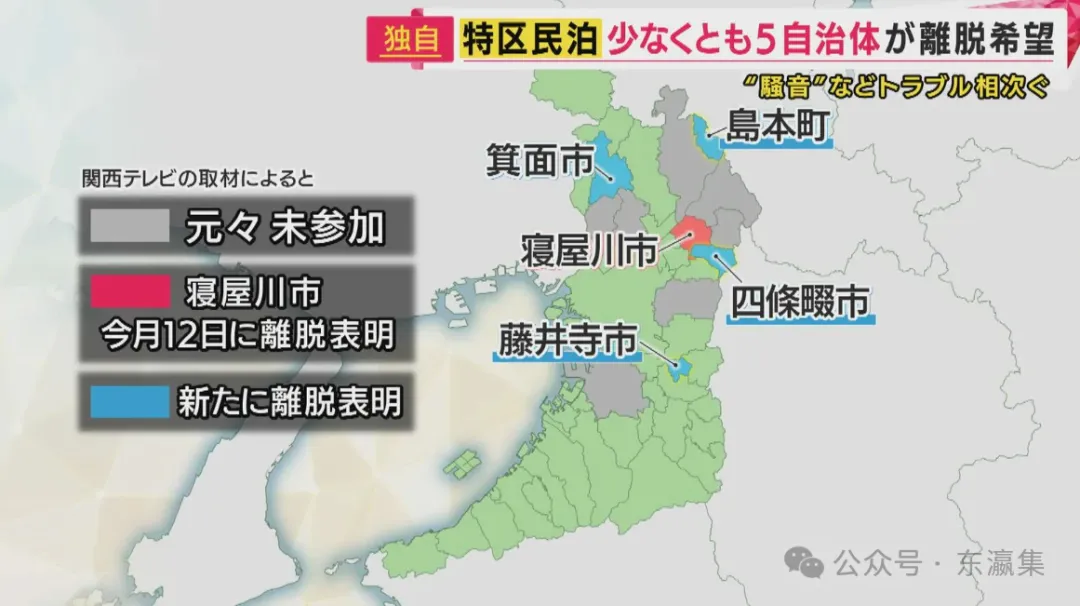
Against this backdrop, the city of Neyagawa became the first city to apply for withdrawal on August 12, saying the program was "unnecessary for city planning." Osaka Prefecture then surveyed all municipalities to see who else wanted to move out.
Interestingly, Minoh only has one certified asset and has not reported any major issues. Nevertheless, the city insists on leaving, raising questions about its deeper logic.
Minoh: "Separate residential areas from tourist accommodation."
Mayor Harada explained, "We have always considered leaving. Minoh is a residential city where the population is constantly increasing. Protecting that identity is more important than promoting tourism."
He said: "Lodging areas and tourist accommodation should be separate. We do not plan to expand Minpaku. Hotels are in designated areas, not in residential neighborhoods."
Four more cities follow: Shizonawatte, Fujidera, and Sand Himamo.
Kansai TV's survey found that cities without amenities, such as Shizonawate, Fujidera, and Shimamoto, also want to retreat. Shimamoto officials cited concerns about the neighborhood's quality of life. Shizonawatte pointed out that the laws are not strong enough to handle noise complaints.
Meanwhile, Osaka City, which owns large parts of Minpaku, formed a task force last month. Mayor Yokoyama warned: "If the problems cannot be solved, we will have to stop accepting new applications."
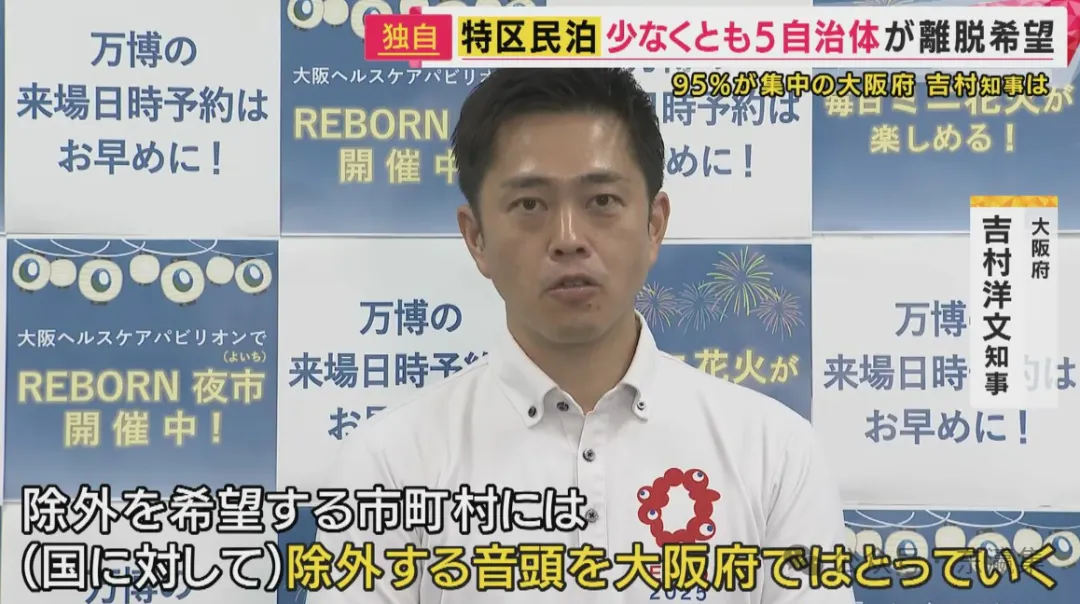
Governor Yoshimura: "No need for cities that don't want it."
Osaka Governor Hirofumi Yoshimura responded: "If municipalities feel demand is low, they do not need to continue. We will work with the national government to arrange evacuations."
By November 29, Osaka Prefecture confirmed that seven municipalities had formally expressed their intention to leave:
- Ibaraki City
- Daito City
- minoh city
- Fujieda City
- Shizonawate City
- Shimamoto Town
- Toyono Town
Yoshimura said next steps will reflect each city's wishes and survey results.
Expert Opinion: “Special Zone Minpaku Is Risky”
Shizonawate officials admit, "Looking at Osaka City's complaint number, it seems difficult to manage." Yao City remained cautious and said both withdrawal and continuation were possible.
Professor Satoshi Fuji of Kyoto University commented: "Hotels and inns must follow strict rules to avoid trouble. The special zone Minpaku has loosened those rules, making it risky."
He said: "Monitoring should have been tighter. If problems arise, cities should move quickly, or new laws should be enacted."
Japan’s Special Zone Minpaku System
This program allows residential properties to be operated as accommodations under exceptions to Japan's hotel business law. Osaka launched it in 2016, followed by Tokyo's Ota Ward. As of May this year, there were 6,693 certified facilities in Japan, with 6,331 facilities in Osaka alone – about 95% of the total.
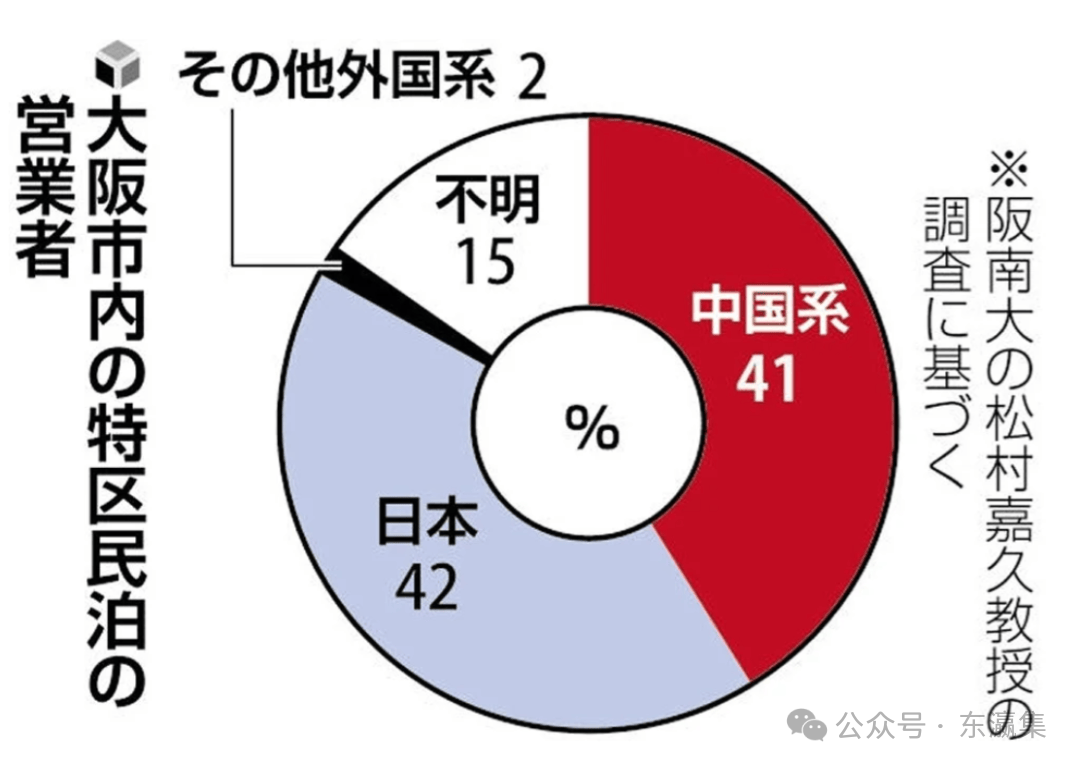
Ratio of Minpaku Operators in Osaka City
With no limits on days of operation or size of the facility, profits can be high. Many Chinese operators in Osaka also obtained residence through the "Business Management Visa".
Complaint data shows Osaka city received 556 cases in 2024, four times more than in 2021. The largest category was illegal one-night stays (196 cases), followed by garbage issues (103), noise (87), and direct opposition to minpaku (39).
In June, a new apartment building with 212 rooms in Konohana Ward was certified as a minpaku facility. Residents had already submitted more than 21,000 signatures against it, saying such hotel-scale projects expose flaws in the system.