For those who prefer to travel at a leisurely pace, travel does not mean seeing countless sights in a hurry, but rather being quietly with loved ones, immersing themselves in nature and allowing the soul to truly rest. Sanu 2nd Home embodies this philosophy – its artfully designed cabins spread across lush corners of Japan perfectly fulfill such desires.
The name "Sanu 2nd Home" sums it up: a "second home" rather than a cold, impersonal hotel. Nestled between a holiday retreat and a campsite, these cabins offer the conveniences of modern living amidst the great outdoors. Warm interiors radiate charm, and most importantly, they create a reassuring feeling of belonging – “this place feels like mine.”
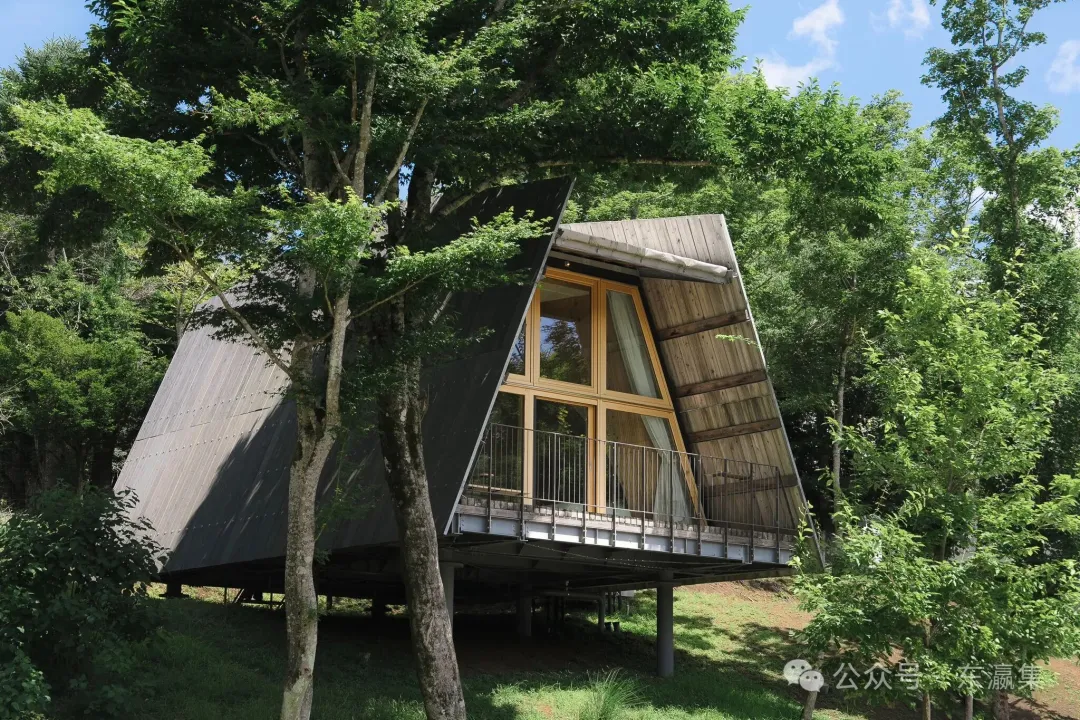
Today, Sanu consists of 33 locations and 218 cabins, each thoughtfully in harmony with its natural surroundings. Some designs, such as the honeycomb-inspired “Sanu Cabin B” with huge windows, appear in many destinations, familiar yet charming. These cabins resemble enchanted treehouses, fortified shelters during one's travels.

What is Sanu Second Home?
Unlike traditional hotels or short-term Airbnb stays, Sanu 2nd Home invites guests to return to nature again and again. Its guiding principle is "living in symbiosis with the natural world". This expanding network of cabins offers families and professionals accommodations that are both rustic and modern, providing a respite from the constant pace of urban life.
Tourists visiting Japan can simply pick a beautiful spot and spend a quiet weekend. Residents or frequent travelers can opt for a co-ownership model, with a minimum of twelve nights a year, granting fractional use rights to Sanu's cabins. Freed from the burden of full ownership, guests leave the cleaning and maintenance to Sanu.
All Sanu destinations are available throughout Japan, each revealing the beauty of the season: the fresh greenery of Tateshina in spring, the tropical charm of Amami Oshima in summer, and the snowy landscapes of Niseko in winter. Prospective co-owners can also arrange for a trial stay before committing.
Among the most popular destinations are Lake Yamanaka and Lake Kawaguchi, famous for their breathtaking views of Mount Fuji. Accessible by express bus or car from Tokyo, current openings include Yamanaka Cabin No. 1, Kawaguchi Cabin No. 1, and Kawaguchi Cabin No. 2.
Sanu 2nd Home Design Philosophy and Features
The uniqueness of Sanu 2nd Home lies in its thoughtful and aesthetically sophisticated design. Stepping into the iconic “Sanu Cabin B” at Lake Yamanaka is a breathtaking experience. Architect Kotaro Anzai, renowned for his innovation in the use of sustainable wood, sought to create the feeling of being embraced by tall trees – and the cabin achieves exactly that. Its shape is beautiful and soft, with cozy bedrooms where the shadows of leaves dance on the walls.
Founder Takahiro Honma describes Sanu home as "white vessels", framing the surrounding views and lending the landscape into living spaces, reminiscent of traditional Japanese gardens. Anzai elaborates: "My vision of a 'white vessel' is simultaneously empty and yet capable of holding all of existence." The architecture is attractive, yet "the building is not the hero – the land and its inhabitants are the real essence."
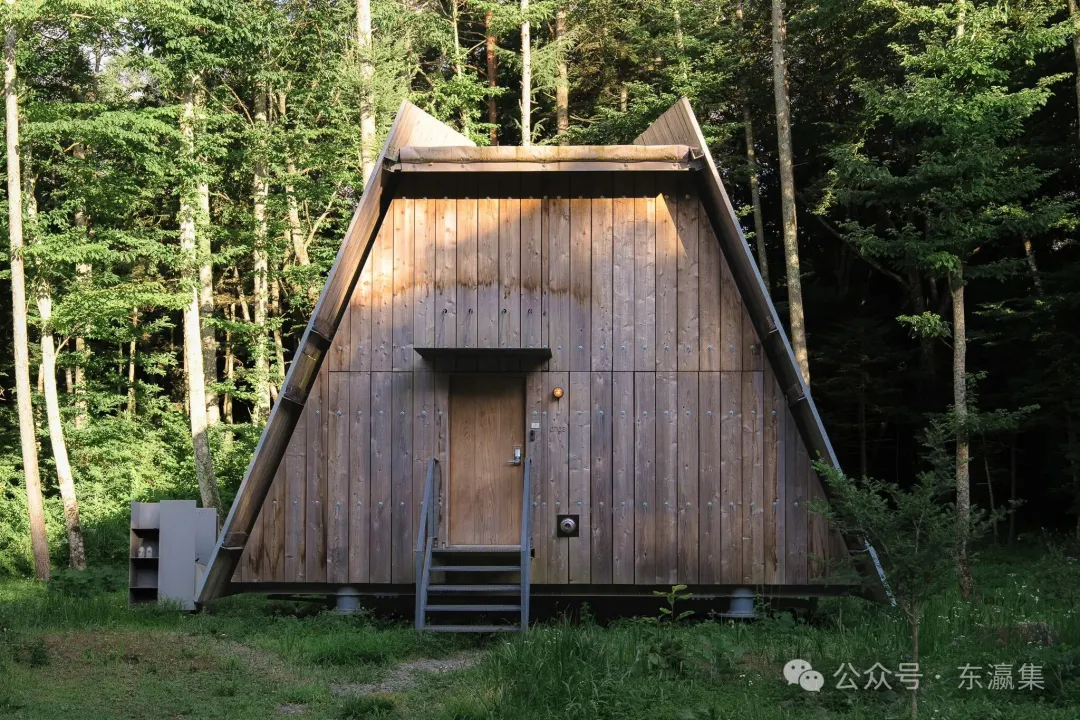
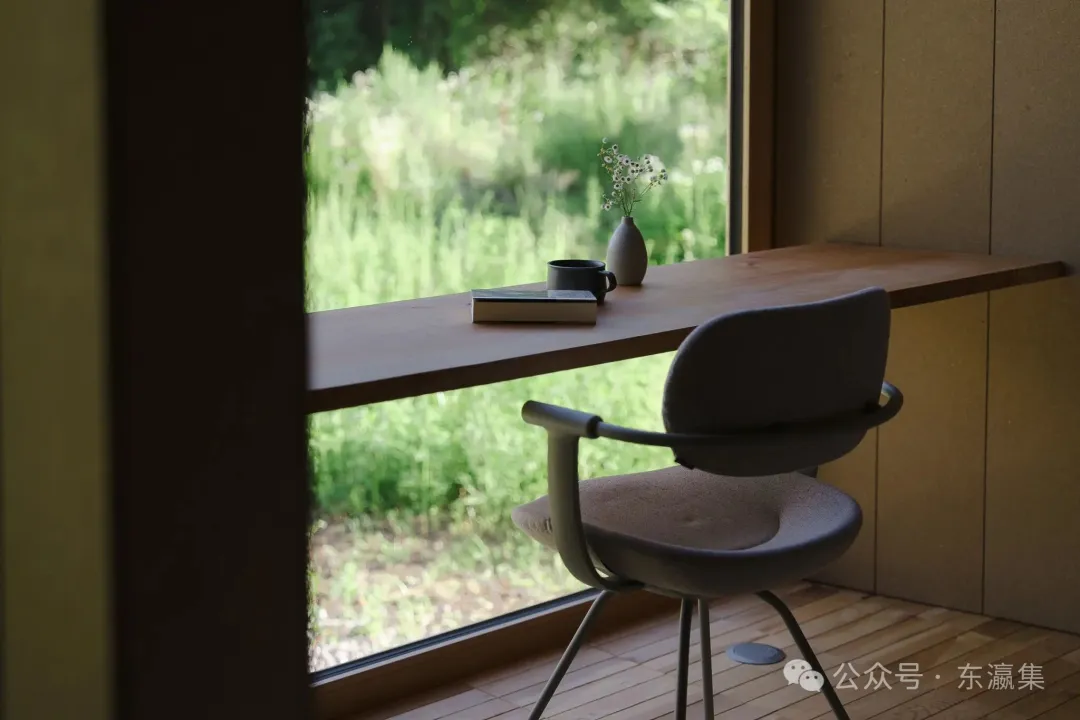
These cabins have open layouts, ideal for couples or families, bathed in natural light with warm wood textures and minimalist aesthetics. Fully equipped kitchens, workspaces and spacious terraces make them suitable for long-term stays. Guests can roast marshmallows over outdoor fire pits, enjoy quality sound systems and projectors, and prepare meals with available spices, utensils, cookware, and even rice cookers.
Sanu's relationship with nature extends beyond aesthetics. For "Sanu Cabin B" and "Sanu Cabin Moss", Anzai selected 100% domestically sourced Japanese wood, assembled with traditional carpentry techniques. This reduces the environmental impact from material transport, while allowing the cabins to be dismantled when required.
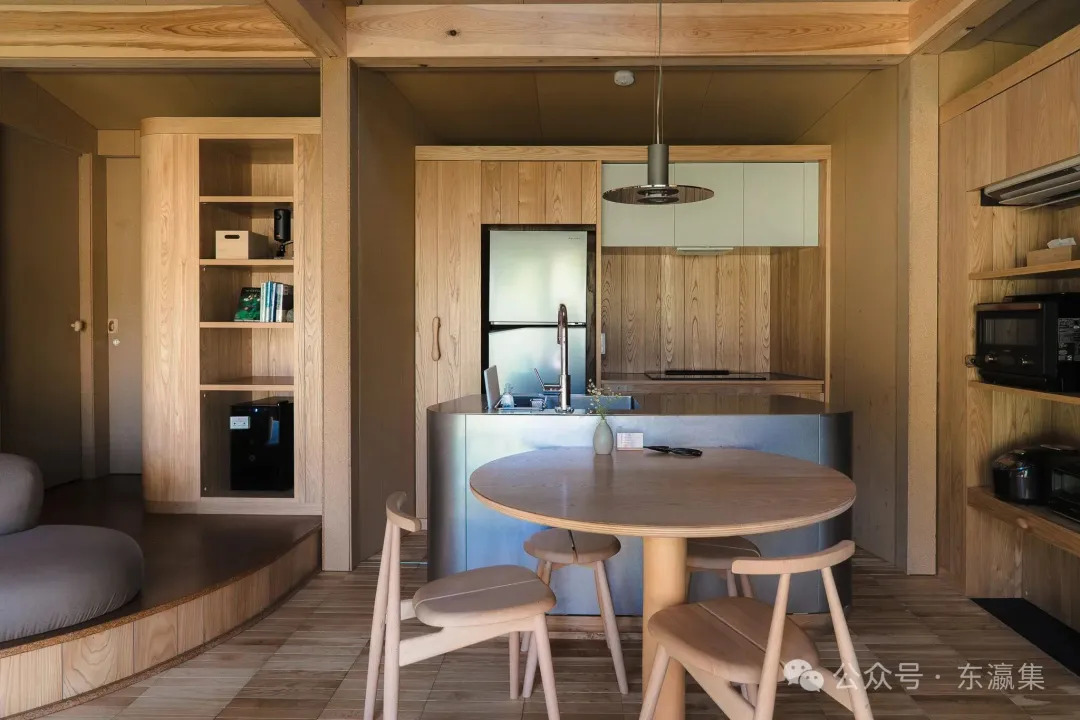
The complete list of Sanu 2nd Home features and equipment is available at the specified sites. Guests are expected to manage their own waste and wash their own utensils upon departure.
Shanu's peace, beauty and intimacy are symbolized by a simple gesture: each cabin contains an empty glass vase and a pair of scissors. Guests are encouraged to pick a flower from outside and place it in a vase – a gentle reminder to enjoy companionship and stay connected to nature, a shared need by all.
Travel without a car: How to reach Sanu's second home
For those who do not have a driver's license, Yamanaka Lake is recommended, as it is more accessible by public transportation.
To Lake Yamanaka Cabin No. 1:
Take an express bus from JR Shinjuku Station's New South Exit Bus Terminal, about two hours.
Get off at "Bugakuso‑mae" and walk about ten minutes to Sanu 2nd Home.
If "Bugakuso‑mae" is not listed, choose the preceding stop, "Yamanakako Hirano".
To Kawaguchi Cabin No. 1, Sanu 2nd Home:
Take an express bus from Shinjuku Express Bus Terminal, about 1 hour 45 minutes.
Get off at Kawaguchi Station, then take a 12-minute taxi ride.
To Kawaguchi Cabin No. 2, Sanu 2nd Home:
Take an express bus from Shinjuku Express Bus Terminal, about 1 hour 45 minutes.
Get off at Kawaguchi Station, then take an 18-minute taxi ride.
If you want to make a reservation or check prices, please visit the official Sanu 2 Home website: