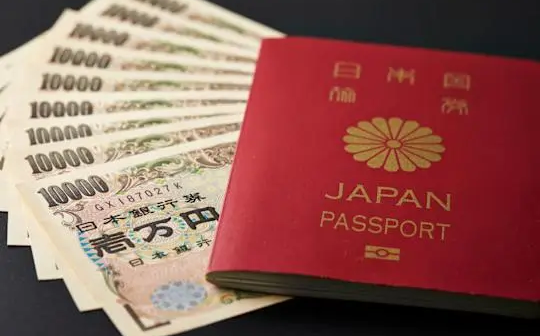
Japan has recently revealed a hot issue involving foreign entrepreneurship and residence. Many Chinese citizens used the country's "business management" visa to set up companies without even visiting Japan. Target? Long term residence. The numbers are staggering – about 7,000 of these companies emerged in just two years, which is about 16% of the total.
The 5 Million Yen Entry Point Was Once Popular
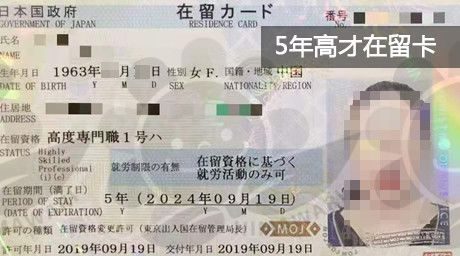
The visa was originally designed to attract foreigners who genuinely wanted to run businesses in Japan. All it took was starting a company with a capital of at least 5 million yen (about $25,000 USD). It was not difficult to get approved, and the visa could last up to five years, covering family members.
This limit was less compared to other countries. South Korea required about 32 million yen, while the US sought somewhere between 150 to 300 million yen. Not surprisingly, many foreigners took advantage of the opportunity—especially Chinese nationals. But a large proportion of these companies proved to be hollow, having been established primarily to secure residence rather than actually operating.
Marketing firm USONAR ran a nationwide survey, and the data was clear:
Between December 2023 and November 2025, just before and after the tightening of visa rules, more than 44,000 companies were registered with exactly 5 million yen of capital.
Of those, about 7,000 had representatives whose registered addresses were in mainland China – about 16% of the total.
In September 2025, just before the stricter rules came into effect, 3,296 new companies were formed in a single month. About 700 of them had Chinese-based representatives, accounting for 21%.
After the implementation of the new rules, only 975 companies were registered by November 2025. The number of delegates from China dropped sharply to about 30, a mere 3%.
Statistics show that when regulations were looser, many people chose to set up companies remotely. From both the person and the address registered in China, it was clear that the main goal was to secure residency and later move to Japan.
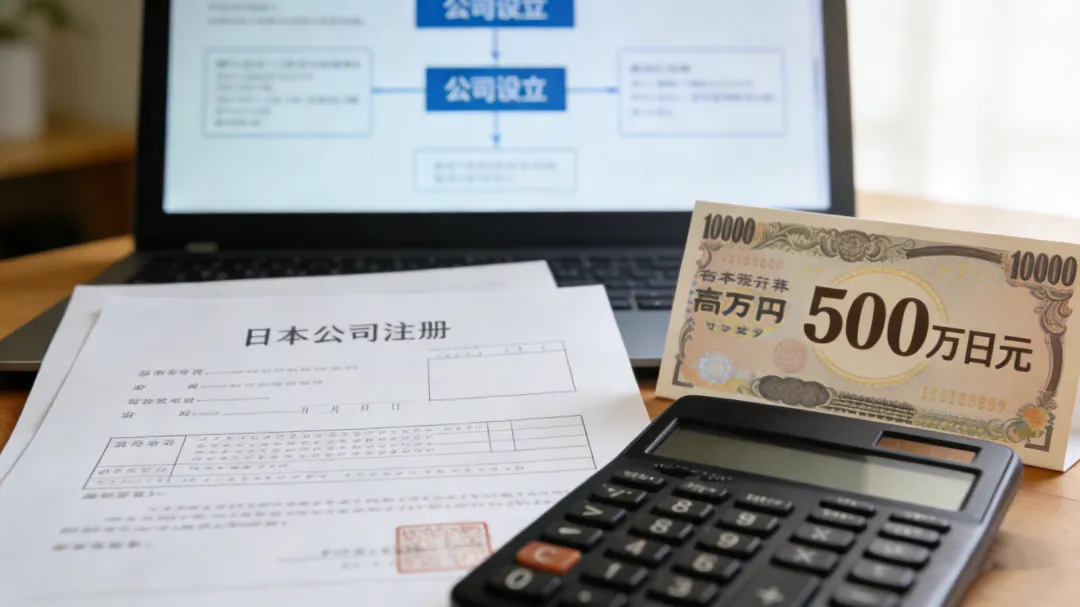
October 2025: Japan Closes the Loophole
Japan's Immigration Services Agency had already noticed this problem. A lot of fake companies were harming the economy and turning visas into shortcuts to migration.
Starting October 16, 2025, the rules changed dramatically:
- The minimum capital jumped from 5 million yen to 30 million yen (about $150,000 USD), a sixfold increase.
- Applicants must hire at least one full-time employee.
- They need three years of business experience or a master’s degree.
- Someone in the company must have Japanese language skills at N2 level.
- Business plans must be reviewed by certified professionals like accountants.
The new requirements were intended to filter out those chasing visas and highlight entrepreneurs who could truly contribute to Japan's economy.
Experts noted that if a representative's address was in China and the capital was exactly 5 million yen, it was almost certain that the company was established for residence. Although the loophole has now been closed, many people had already obtained visas through agencies before the rules were tightened.
Chinese Business Visa Holders Surge
Official statistics confirm this. At the end of 2019, about 27,000 foreigners held business management visas, of which 14,000 were from China.
By June 2025, the total number had grown to approximately 45,000, and Chinese nationals numbered 23,700.
Within a few years, Chinese holders' stakes grew rapidly, showing how attractive the low hurdles were.
Japan has always welcomed foreign talent and investment. But the strict rules are in place to prevent abuse and ensure that people who really want to build businesses in Japan come forward.
Shortcuts often come with risks for anyone considering visiting Japan. If you're planning on starting a business there, it's smart to consult a licensed immigration specialist and become familiar with the latest regulations. Real investment and real business activity is the only way that lasts.