Japan is introducing a new immigration framework from January 2025, and the details are now clear. The plan includes strict rules for permanent residency and citizenship, tougher checks on unpaid taxes and social security abuses, as well as a new program requiring foreigners to learn Japan's laws and culture.
According to government insiders, the ruling Liberal Democratic Party is debating these changes in three project teams. Their proposals will be presented in late January, with the final policy expected to be confirmed at a cabinet meeting the same month.
Here are the key changes coming to residency and immigration management:
- Permanent residence will now require proof of Japanese language skills and a specified income level. For citizenship, the residence requirement will increase from five years to ten years, in line with permanent residence rules.
- The system of student work permits will be restructured to curb illegal work. Automatic approval on entry will be eliminated, with tighter monitoring of hours and conditions.
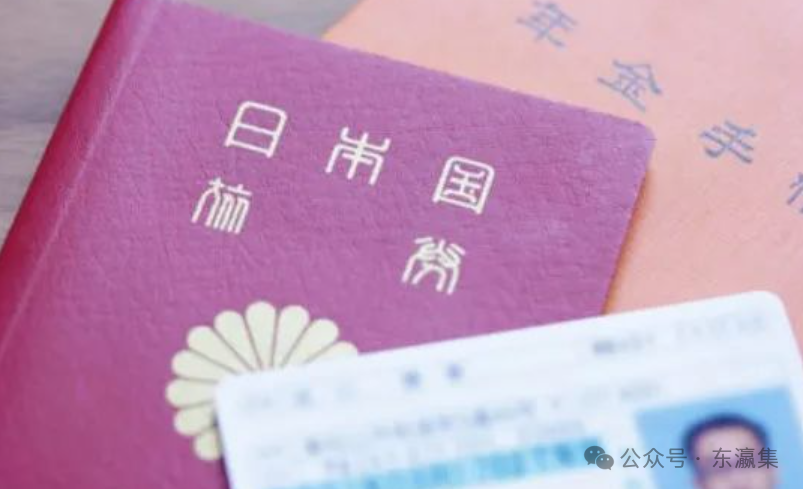
- From June 2025, the residency card will be merged with the My Number ID system to more closely track unpaid taxes, insurance and medical fees.
- From 2027, national and local governments will share data. Those with unpaid obligations may face denial of entry or renewal of residence status.
- The My Number system will also be used to prevent fraudulent claims for welfare and child allowance.
- To promote integration, a mandatory program teaching Japanese language, culture and social rules is planned for 2027. Termination may become a requirement for review of residency or permanent status.
On property ownership, Japan's digital agency will create a database by 2027 to track the nationality of owners. However, rules for foreigners buying apartments or land are still undecided, with officials saying it depends on ongoing party discussions.
Meanwhile, proposals to limit the number of foreign residents suggested by the LDP and the Japan Innovation Party have been put on hold for now and will not be part of this policy package.
In November, Minister Sanae Takachi instructed cabinet members to emphasize a society with "orderly coexistence with foreigners." This means strict habitat reviews, adjustments to existing systems and the exploration of new rules on land ownership. The government and the ruling parties are now working together to finalize these measures.