"Graduate from a Japanese university and you'll automatically get a visa." "Send your child to study in Japan - it's the easiest way to immigrate."
These promises sound good, and they are spreading rapidly through Chinese social media and study abroad agencies. Many families believe they have found a shortcut to Japanese residence, but few realize the dark reality behind this so-called shortcut.
Most people have heard of the "Business/Management Visa", which grants residency to foreigners starting companies in Japan. For years, families used it to send children to Japanese schools and access health care, but it soon became notorious for abuse. A TV program even showed a 40-room building registered with over 100 fake companies run by Chinese nationals – yet the place was empty. The footage shocked the audience.
New rules on October 16, 2025, raise standards for business/management visas. Capital requirements increased from 5 million yen to 30 million, applicants must employ at least one full-time employee, and they are required to have either three years of business experience or a bachelor's degree. Still, their business plan should be verified by experts.
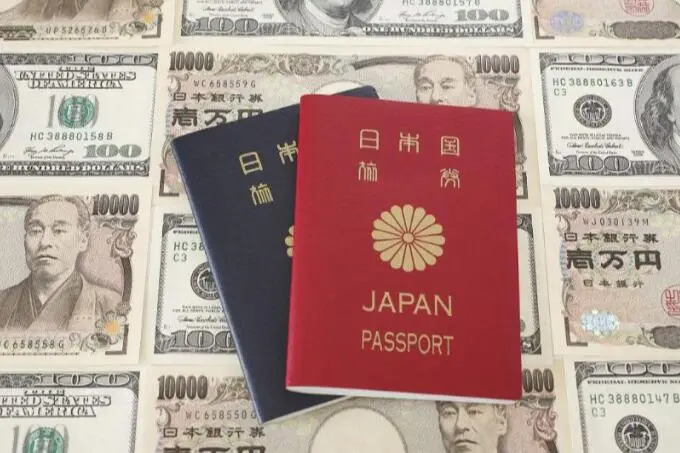
While that visa became stricter, another visa was left open. Issued ten times more often, it has become the real engine of immigration to Japan.
This is the "Engineer/Specialist in Humanities/International Service Visa", often abbreviated to Engineer/Specialist Visa. In simple terms, if a foreigner graduates from a Japanese university – or equivalent institution – and finds a job in technology, humanities, or international business, he or she qualifies for residence.
Created in April 2014 along with the business/management visa, the number of engineer/specialist visas has increased. Over the past five years, 170,000 people obtained i, which is 20 times more than the approximately 8,000 who received a business visa. That boom exposed the reality of Japan's "diploma factories."
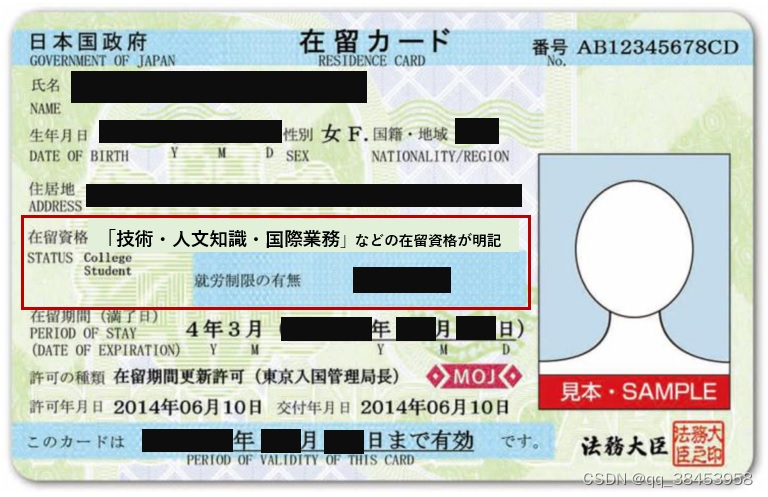
Now that the business visa is harder to get, many expect families to shift focus to the “safer bet”—the Engineer/Specialist visa.
◆ F-Level Universities: Barely Passing, Parents Begging Professors
"Our university was once abandoned by Chinese students… but they may start to come back." A professor at a so-called F-level university described the situation in a heavy tone this way.
He said that students of Nepal, Myanmar, and Vietnam work hard during their studies. Chinese students, on the other hand, rarely take part-time jobs and often barely make passing grades. Their effort level, he said, is similar to that of Japanese athletes recruited on special quotas.
Many of these students struggle with the Japanese language, fall behind in class, and lose motivation. Sometimes they don't even make it to the next year. Parents come from China, pleading in broken Japanese or heavy dialects: "It's our fault our kid isn't smart. Please, let them graduate."
The professor frankly admitted: "Our school is not worth six years and nearly 10 million yen of tuition."
Graduates from these F-tier universities follow predictable paths. Of the approximately 100 foreign students per year, half are Chinese. After graduation, 40% stay in Japan for work, 40% return home, and 20% find jobs elsewhere abroad.
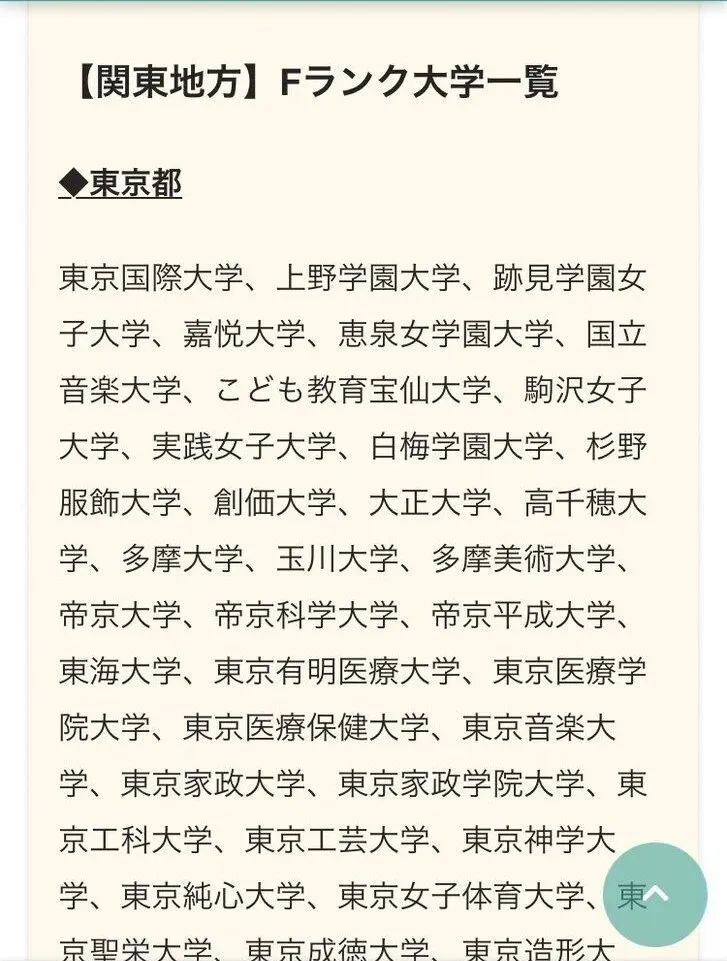
He joked bitterly: "In two years, only one of my Chinese students got a full-time job in a mid-tier Japanese company. Youth unemployment in China has reached 70., 'm not even sure whether people who claim to work in Japan really are."
The vast majority of people "employed in Japan" work in small firms run by fellow Chinese. The professor admitted that he couldn't even name the companies – they were too vague.
To renew the Engineer/Specialist visa, the job must be full-time and related to the student's major. But in practice, it only requires a signed document from the university and a letter from the employer. Immigration officials do not check the quality of the school or whether the job actually meets the rules.
That's why many of these students are essentially "unemployed in waiting." They graduate, get a visa, work for a year or two at a Chinese-owned company, then quit and take jobs in between.
◆ Immigration Loopholes: Permanent Residency in Just One Year?
The real issue with the Engineer/Specialist visa is how it leads to permanent residence. Generally, applicants must have lived in Japan for ten years. Along the way, they can bring spouses and children under family visas. Unlike a business visa, there is no requirement to prove "economic contribution". Even new graduates can bring family members, who are allowed to work part-time up to 28 hours a week.
Some even quit their jobs, collected unemployment, and secretly worked for Chinese companies while avoiding taxes. This is all technically illegal, but it happens.
There is also a "fast track" route: switching from the Engineer/Specialist visa to the High Skilled Professional visa. With enough points – based on degree, income, age, nd language skills – residents can apply for permanent status in as little as a year. On paper, er it looks tough. In reality, there are many flaws.
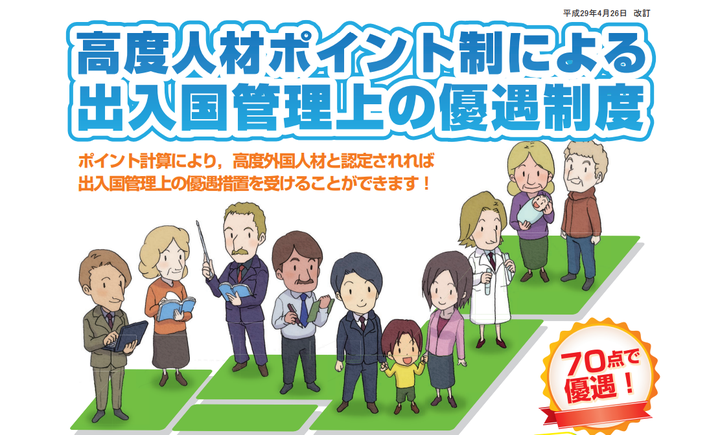
For example, a graduate with no experience can still earn points with a job certificate. Add a supposed 10 million yen salary, youth bonus, and Japanese language proficiency, and they hit the 80-point threshold. But in reality, no normal company pays fresh graduates that much.
That’s where the tricks come in. Some graduates “inflate” their salaries on paper by working at companies owned by relatives or fellow Chinese nationals. The company pays them a high salary, deducts taxes, and then quietly returns the cash. On paper, it looks like they earn 10 million yen a year—enough to qualify for permanent residency in just one year. In reality, it’s all smoke and mirrors.
Of course, this is illegal. Immigration authorities are tightening checks every year. But for many, the biggest hurdle isn’t the fake salary—it’s passing the Japanese language requirement. That’s why exam cheating and proxy test-taking have become so common. The demand comes directly from people trying to game the system.
◆ F-Level Universities: Visa Issuers in Disguise?
After all, the Engineer/Specialist visa is designed to allow foreigners to stay in Japan for a longer period of time. This is one of the main drivers behind the growing foreign population. More families are moving in, and the strain is visible – public housing is overcrowded, and taxpayer-funded daycare centers are depleted. Saitama and Chiba have already reported problems.
Children of these visa holders receive the same benefits as Japanese citizens: free public education, subsidized health care, and child allowances worth millions of yen. For families, this is a huge financial relief. For the government, this is a big expense.
The sheer scale of Engineer/Specialist visa holders, compared to the 8,000 people on professional visas, explains the difference. If Japan really wants reform, the focus should be on F-level universities that operate like visa factories. Without foreign students and subsidies, many of these schools would not be able to survive.
Ironically, Japan itself encouraged this situation by funding universities and welcoming more foreign students. Now, instead of fixing the system, it risks digging its own grave. If the government wants to control immigration numbers, the quickest way is to close loopholes – starting with universities that rely entirely on foreign enrolments. Otherwise, Japanese taxpayers will continue to foot the bill.