Hokkaido has achieved a major demographic milestone. As of the end of November, the region's official resident registry shows a total population of 4,999,439. This is the first time since 1957 that this number has fallen below five million.
Registry data comes from local municipalities in Hokkaido, which is updated monthly. It serves as a quick snapshot of annual census data.
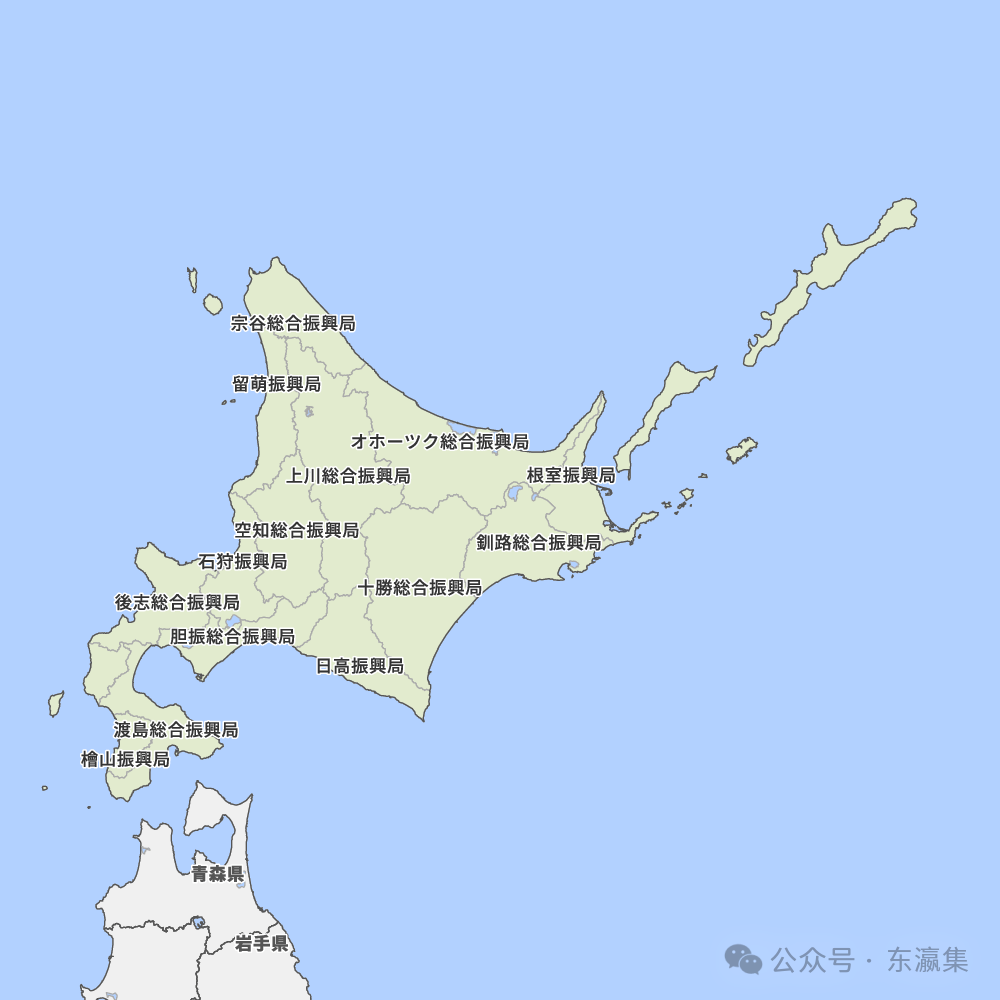
Officials said the population declined by 2,725 between October and November. Breaking down, Japanese nationals totaled 4,925,936 – down 4,602 from the previous month – while foreign residents rose by 1,877 to 73,503.
In the past year, Hokkaido lost about 50,000 people. In November 2024, the registry counted 5,048,416 inhabitants, meaning a decline of 48,977 in just twelve months.
Looking at the municipalities, Yubari saw the largest decline, a decline of 5.45% with 334 fewer residents. Big cities were not spared either: Asahikawa declined by 1.26% (4,012 people), Hakodate declined by 1.55% (3,683 people). Sapporo's decline was minimal at 0.06%.
Local officials in Asahikawa say young people leaving for jobs elsewhere is a big factor. Even with programs aimed at bringing them back, they acknowledge there is no easy solution.
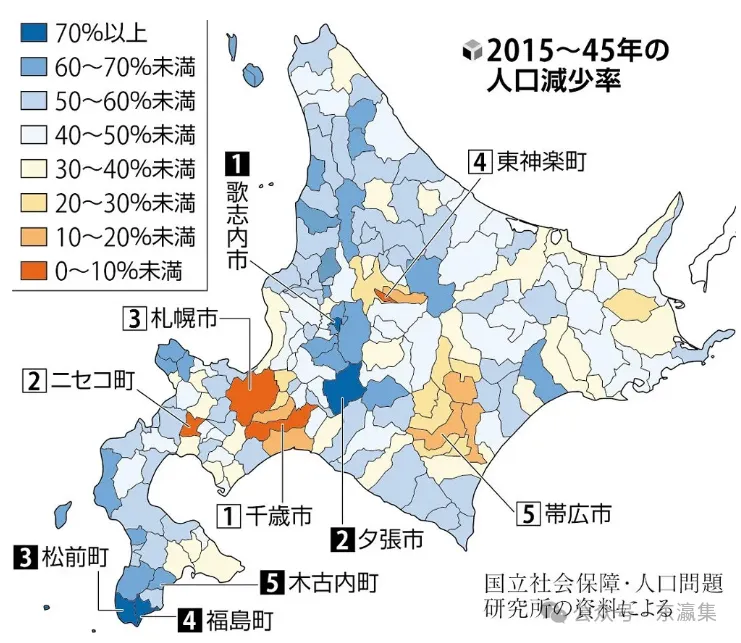
Population trend forecast for Hokkaido over the next 45 years
Not every sector is shrinking. In fact seven towns grew, including Nanporo, which grew to 228 residents. Since 2022, Nanporō has seen steady growth due to family-friendly policies such as housing subsidies of up to 2 million yen and free medical care for children through high school.
Historically, Hokkaido peaked in 1997 with about 5.7 million people. Since then, the numbers have declined steadily. By 2003, deaths exceeded births, and more people were moving out, accelerating the decline.
Officials from the Hokkaido Regional Strategy Division have warned that outside Sapporo, population loss is likely to accelerate. They stress the need to build a society that can accommodate fewer inhabitants.