In many countries, losing your wallet or phone usually means it's gone forever. Japan is different. Here, the chances of getting your lost items back are surprisingly high – wallets and cash often have return rates close to 80%. And it's not just a feel-good story; This is backed by real statistics and everyday habits.
A System That Actually Works: Japan's Lost Property Network
Japan has a dedicated lost property law, completely revised in 2007. If you find something, you must turn it in to the police, local koban (police box), or facility staff. Keeping it can also be considered a crime.
Across the country, there are approximately 60,000 Koban and police stations, making the network incredibly dense. In 2023 alone, police recovered approximately 29.79 million lost items – a record high – including 22.8 billion yen in cash. That's about 30 million items a year.
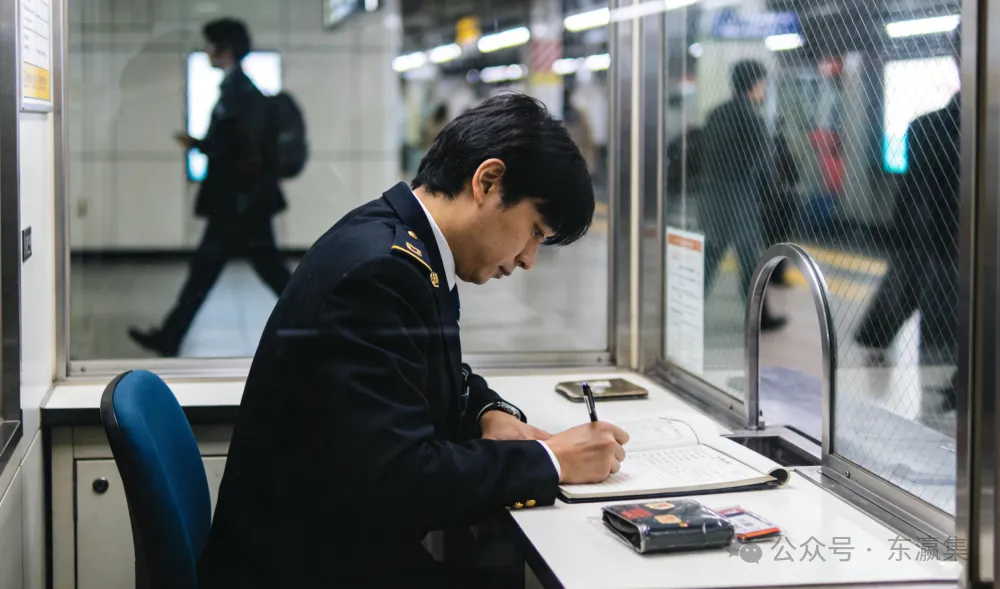
Train stations, malls, and restaurants all have their own lost and found counters. JR East and Tokyo Metro alone handle thousands of commodities every day.
The items are stored for three months. During that time, the policetrys to reunite them with their owners. If no one claims them, the finder can keep them. But valuables like cash are usually returned within that period.
Data from the National Police Agency shows that cash return rates are often between 70% and 80%. In Tokyo, 4 billion yen was handed over during 2022, more than half of which was returned to the rightful owners. In some years, this rate even reaches close to 90%. That's why international media often highlight Japan's "80% wallet return rate".
Culture and Morality: Why Honesty Runs Deep
Japanese society places great importance on honesty, politeness, and consideration for others. Children grow up learning that keeping lost property brings trouble to the owner, whereas returning it is the right thing to do.
A professor at Michigan State University once tested it by dropping wallets and phones on the streets of Tokyo. About 90% were handed over. In New York, the rate was only 6%.
Japan's "shame culture" also plays a role. Taking something that is not yours is considered extremely disrespectful, while returning it brings social respect. Many people think, "If I have lost something, I would like others to do the same."
Since items are often returned, people are more willing to report lost property. This creates a positive cycle. Foreign tourists are often shocked to have their luggage returned and call it the "Miracle of Japan".
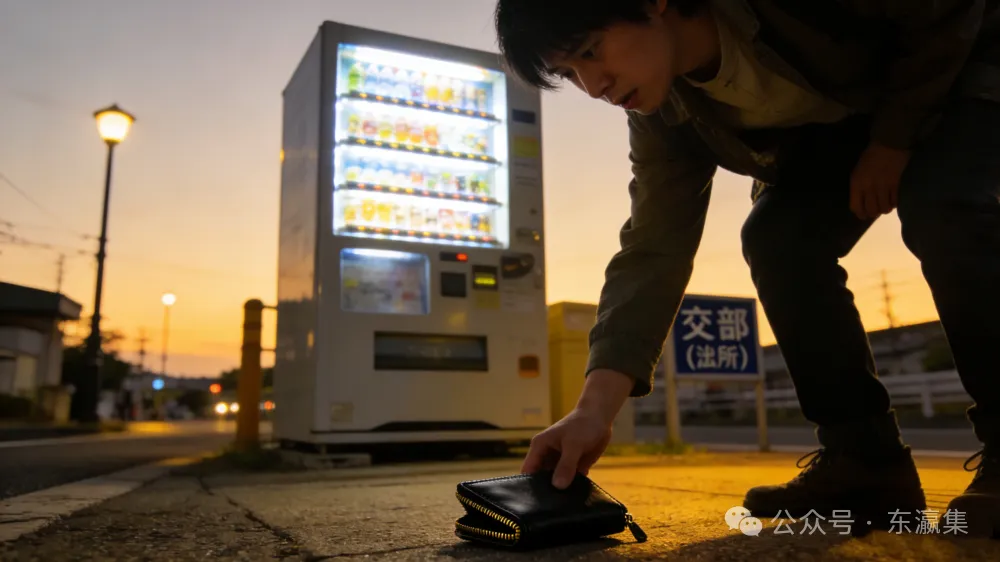
Low Crime, High Trust
Japan has a low crime rate, especially street crime. People trust that if they hand over something, it will not be stolen by the system. That confidence makes the whole process successful.
In other countries, lost property may be frozen or never reach the owner. This discourages people from reporting or bringing the matter forward. Japan's organized environment makes a big difference.
Even in crowded places like subways and train stations, theft is rare. Most lost items are simply lost, not stolen, making them much easier to return.
In 2023, 22.8 billion yen in cash was transferred nationwide, of which 15.7 billion yen was returned – about 69%.
The most common items are IDs, credit cards, IC cards, clothing, wallets,s and umbrellas. Phones and cash are easier to identify, so they are more likely to be returned.
Major outlets such as the BBC, Al Jazeera, e-ra and Le Monde have reported on Japan's high return rates, often seen as evidence of the country's strong sense of order.
Why Not 100%? The Limits of Reality
Not everything returns to its owner. Some people don't bother to report lost items, thinking it's frustrating. Others lose things without obvious identification, such as plain umbrellas, which are difficult to match.
And sometimes, even after a three-month holding period, the owners are not found, so the items are processed as per the rules.
Umbrellas: The Strange Exception
Umbrellas are a special case in Japan. They are cheap, used constantly, and often misplaced. At convenience stores, umbrella racks are notorious for snags or theft.
There's even a joke: "Until you've lost your umbrella, you're not really Japanese."
Even when umbrellas are handed over, they are rarely returned to the owner. Without unique markings, they are almost impossible to identify. This suggests that even in a society built on trust, low-value items are more likely to disappear.
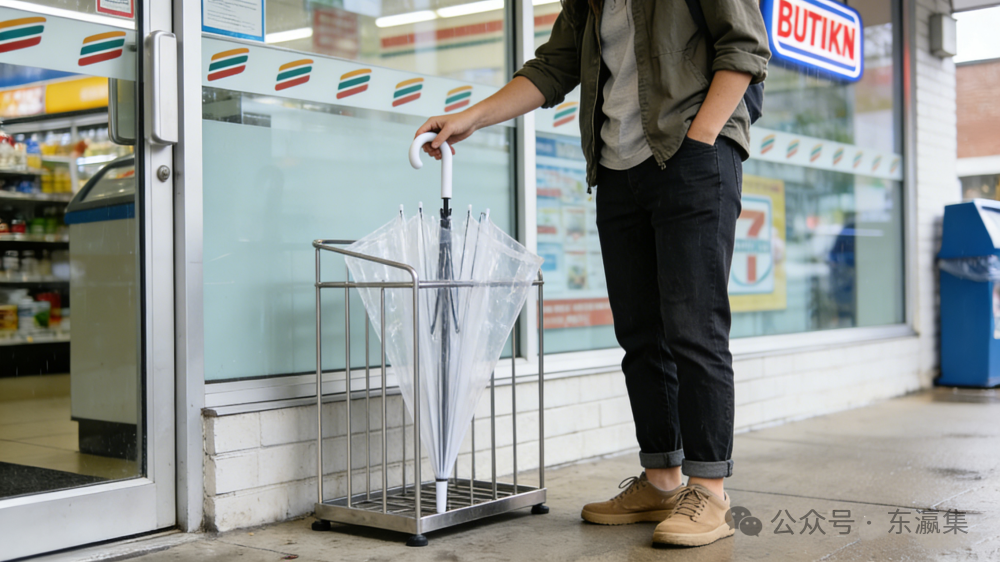
By 2023, approximately 30 million items were reported nationwide, with an overall return rate between 50% and 80%. Cash and wallets top the list, while everyday items are less likely to be returned.
Japan's 80% return rate for lost property – especially cash and wallets – is not a testament to people being naturally kind. It is the result of strong laws, cultural values, social trust, and a system designed to work. Together, they reflect Japan's "others-first" mentality and help make it one of the safest countries in the world. In many ways, this ability to bring home lost items is Japan's true soft power.
![2023 Japan Prefectures' Charm Ranking [Full List of 47 Prefectures]](https://www.japanrar.com/wp-content/uploads/2023/10/1697763467-5325251.jpg)