The Chengdu Mixed Team World Cup just ended. While China celebrated its 8-1 victory over Japan to clinch its third consecutive title, another story dominated the discussion - Chinese-born Japanese player Harimoto Tomokazu found himself at the center of controversy once again. During the tournament, his name was dropped during introductions, and he faced jeers from the crowd in the match against France.
Organizers and the Chinese Table Tennis Association subsequently apologized multiple times to the Japanese federation. To defuse tensions, they placed the Japanese athletes on the same floor with additional security.
For Harimoto, whose parents were both former Chinese table tennis players from Sichuan, this "homecoming" turned into another storm of criticism. At just 22 years old, he has become a symbol of the complex emotions surrounding the China-Japan sporting exchange.
Let's turn to the group stage in Chengdu. During pre-match introductions against Korea, the announcer left out Harimoto's name entirely and went straight to her younger sister Miwa. To make matters worse, Miwa's name was mispronounced several times. The camera showed Harimoto standing frozen, his face tense, until the mistake was corrected.
Chinese organizers skipped Harimoto’s name during introductions at the World Cup. pic.twitter.com/HrfRqiAyYS
— YiFeng Su (@sam51824016070) December 7, 2025
That was only the beginning. In his singles match against France, the crowd booed him throughout, causing him to lose focus and lose several games. Japan's federation protested, saying the atmosphere made fair play impossible. Organizers eventually put up signs urging fans to cheer "quietly and respectfully.
The spotlight became even sharper in the finals. Facing China's Lin Shidong, Harimoto won the first game 11–6 but lost 1–2 on aggregate. Every score made by Lin received thunderous applause, while Harimoto's score was met with jeers.
The most extreme moment came in Japan's match against Hong Kong. A female fan shouted, "Support the death of the Japanese people!" While "Go to Hong Kong!" Slogans were being raised. Echo. After winning a crucial point, Harimoto put his hand to his ear, a rare gesture indicating how much pressure he was feeling.
A Chinese fan shouted “Death to Japanese people” during Japan vs Hong Kong. Harimoto responded after winning. pic.twitter.com/YjiXnufYUa
— Simon (@SimonJP404) December 5, 2025
Later, Harimoto admitted, "A lot happened here. I don't need to say everything… but I won't forget this experience. The Chinese players didn't do anything wrong – they're just strong." He knew it would be difficult to compete in China, but he still gave it his all.
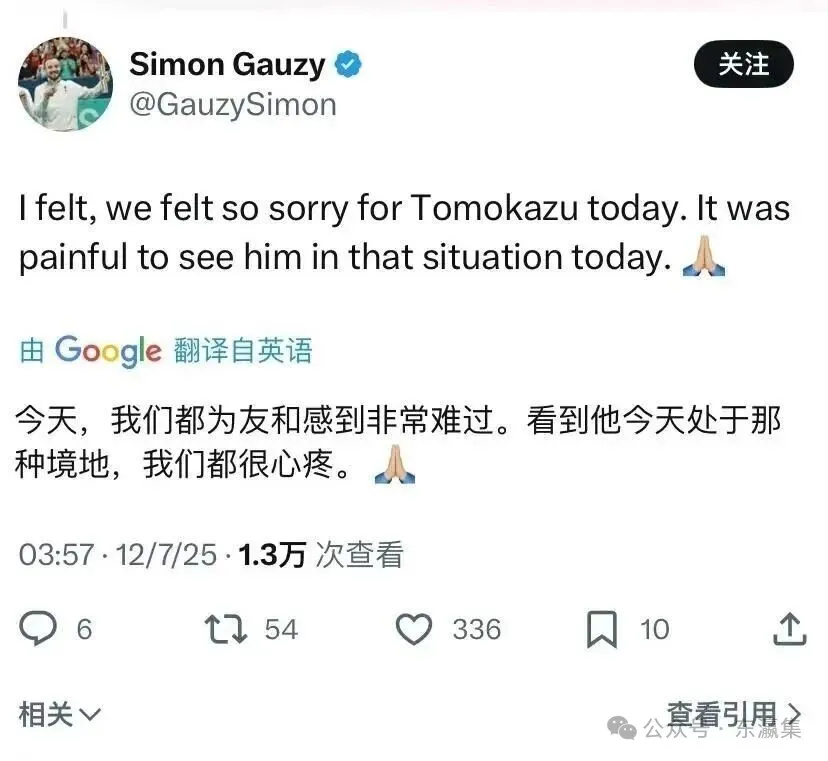
French player Simon Gauzy even posted online that he felt sorry for Harimoto, which aroused sympathy among Japanese fans and raised questions about why sporting events carry such an extra burden.
This is not the first time Harimoto has faced hostility in China. His dual identity has made him a lightning rod from the very beginning.
Born in Sendai in 1998, Harimoto's father once played for Sichuan, and his mother was on the China national team. In 2014, at the age of 16, he officially became Japanese and took the name Harimoto, competing internationally under the flag of Japan.
His talent was undeniable. At the age of 13, he won the World Junior Championships, at the age of 1,4 he won a senior tour title, earning him the nickname "Table Tennis Prodigy". But his Chinese roots combined with his Japanese identity made him the target of criticism in China, where some saw him as "ungrateful".
The tensiohas beenis there since 2018. At the Japan Open, Harimoto defeated Ma Long and Zhang Jike, then scored a victory that enraged Chinese fans. Since then, he has been booed whenever he plays in China – or faces Chinese stars. At the 2023 Chengdu World Cup, he even admitted privately, "I felt like I was going to be killed. I was scared."
The irony is that even in Japan, they have not been fully accepted. After the shocking defeat at the Paris Olympics, Japanese extremists attacked his heritage and told him to "go back to Chin". His earlier comment that he chose Japan because competition there was "fairer" than in China prompted more backlash. Chinese player Liu Dingshuo once said that Harimoto's words "hurt Chinese sentiments while seeking sympathy."
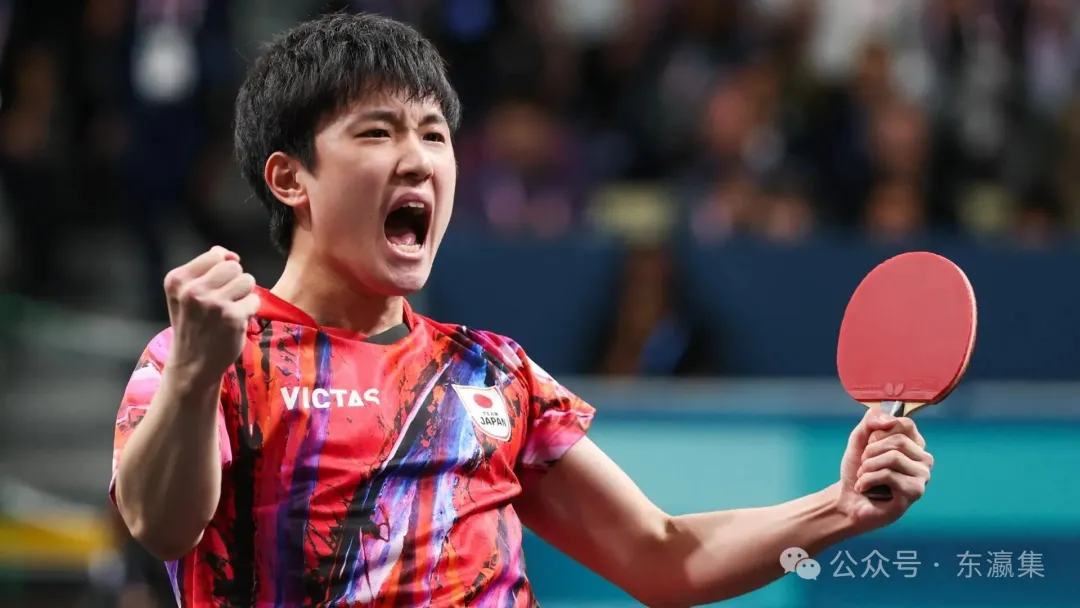
Controversies have constantly followed him. His medical timeout in the Macau World Cup in 2024 was alleged to be fake. At the Yokohama Championships, after defeating Wang Chuqin, he lifted his shirt, kissed the flag of Japan, and shouted, "Victory to Japan!" Yelled - causing another uproar. In contrast, other natural players such as Tian Zixi and Nie Xilian earned respect by consistently showing appreciation for China.
At its core, Harimoto's struggle reflects the conflict between sporting competition and national pride.
Although he plays for Japan, Harimoto has never denied his Chinese roots. He speaks fluent Mandarin, and once greeted fans in Cantonese at a Hong Kong final, earning applause from the crowd.
Now 22, Harimoto remains one of the world's top-ranked players with multiple international titles, including a 2025 Yokohama victory over Wang Chuqin. Their younger sister Miwa is also on the rise, making the siblings central to Japan's table tennis future.
Harimoto's visit will likely continue to stir debate. But one thing is clear: identity conflicts should not dominate the game.