In recent years, Japan has seen several cases where company managers were arrested for breaking immigration laws. Problem? They hired foreign workers for jobs that did not match their visa status. Due to severe labor shortages, many industries rely heavily on migrant workers, and some companies lure them with false promises.
One of the people caught in this mess is a 23-year-old youth from Indonesia named Arif. “I really wanted to work in agriculture,” he said in an online conversation with reporters, recalling how he was eventually pushed into something completely different.
Three years ago, Arif came to Japan under a "specialized skilled worker" visa to do agricultural work. He spent about a year and a half in Hokkaido, but the salary he received was much less than what was promised in his contract.
Later, through a friend, he connected with a staffing agency in Fuefuki City, Yamanashi. He told them that farms growing grapes and peaches needed workers. He went there, but after only one day of helping set up the greenhouse, he was sent straight to a laundry factory. The agency explained, "There is no agricultural work at this time. Do this until something else comes up."
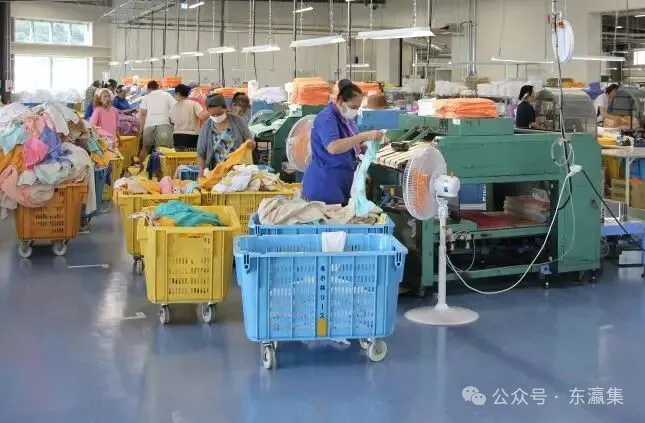
Laundry was brutal. Every day, stacks of sheets and towels arrived from dozens of hotels and inns in the nearby hot springs area. Arif had to sort them by convenience, by remembering the names and Kanji characters.
He said, "It was exhausting. There were 30 or 40 hotels. I tried very hard to remember everyone's names." His monthly salary was 180,000 yen, but after deducting insurance and rent, he was left with about 100,000 yen. Sending money home meant he only had about 30,000 yen for himself.
He often felt uneasy, wondering if he was doing something illegal. "I came to Japan to farm. How did I end up folding sheets?" When he asked the agency, they shrugged it off: "No problem." To send money home, he shared an apartment with two fellow countrymen.
By the end of June, the police showed up. "You're on a farming visa, right? Why are you working here?" An officer asked directly.
Tokyo Metropolitan Police notified the Immigration Services Agency about Arif and 28 other foreigners, saying they were operating outside their visa limits. The officials told Arif, "You can no longer live in Japan." He borrowed money and returned to Indonesia in late July.
Arif, now back home and working in construction, said in an interview, "I asked the staffing company, and they said it was OK. I thought it was OK. I wanted to stay in Japan for a long time, but I was cheated."
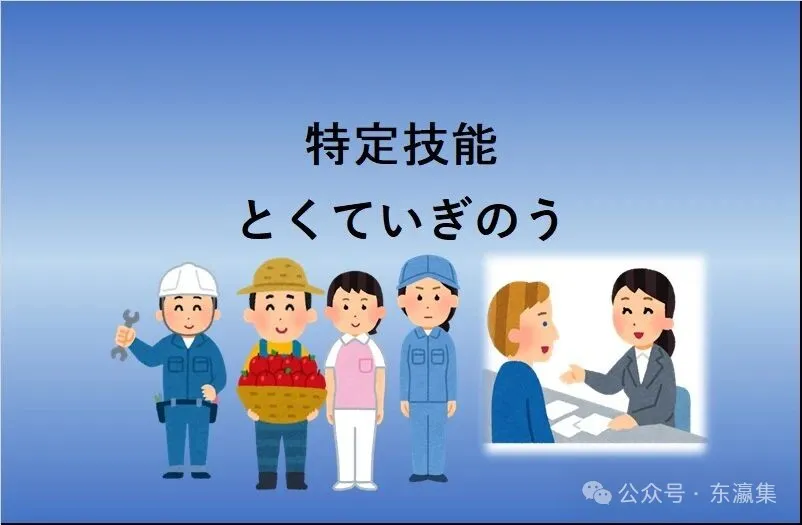
The "Specialized Skilled Workers" program was launched six years ago to bring foreign workers into industries facing shortages. It includes 16 areas such as care, farming, and construction. Laundry, including washing hotel sheets, is not one of them.
In September, police handed over evidence against the laundry company and the staffing agency to prosecutors, accusing them of aiding illegal employment. Four executives, including the company presidents, were arrested and charged.
A support worker helping migrants said the laundry company is the largest in Yamanashi, handling almost all hotel linen in the hot spring area. The work is constant but difficult – low pay, hot and humid conditions near dryers and steam presses.
One executive admitted during questioning: "We knew that foreigners with other visas could not work here, but we needed employees."
The staffing agency that Arif described as "no problem" had been placing foreigners in mismatched jobs for about two and a half years. Police believe they sent about 120 workers this way, making about 70 million yen illegally.
In November, police also arrested executives of a vegetable processing company in Saitama. They reportedly made Indian workers with "Engineer/Specialist in Humanities/International Services" visas perform simple tasks like chopping vegetables. One manager admitted, "We knew it was illegal, but we hired them anyway. At least they got minimum wage."
In such cases,s foreigners are often blamed. But the real issue is with Japanese employers who exploit the system.

Foreigners on agricultural visas are already vulnerable. There are off-seasons in agriculture, making it difficult to operate continuously. This pushes workers into laundry or food processing jobs. One aid worker said, "If migrants feel something is wrong, they should go straight to immigration. But employers take advantage of their lack of options. This is irresponsible."
Arif's visa still had almost two years left. He said, "Back home, I only earn 20,000 yen per month. This is nothing compared to Japan." He's still looking for a way to return – this time, in hopes of actually working in agriculture.