"An international fraud network has descended on Japan." That tip startled Japanese journalists and sparked an investigation. At its center was the Cambodian sugar conglomerate Prince Holding Group.
On October 14, 2025, the U.S. and the U.K. both imposed sanctions on Prince Group, citing online scams, human trafficking, and money laundering. Soon after, South Korea and Taiwan launched raids and tax investigations intotheirs local subsidiaries.
Digging deeper, Japanese journalists uncovered several fake companies linked to the Prince Group inside Japan. Even more disturbing, its leader was rumored to be living quietly in Tokyo for some time.
So how did this massive crime syndicate infiltrate Japanese society? Know here what the investigation revealed.
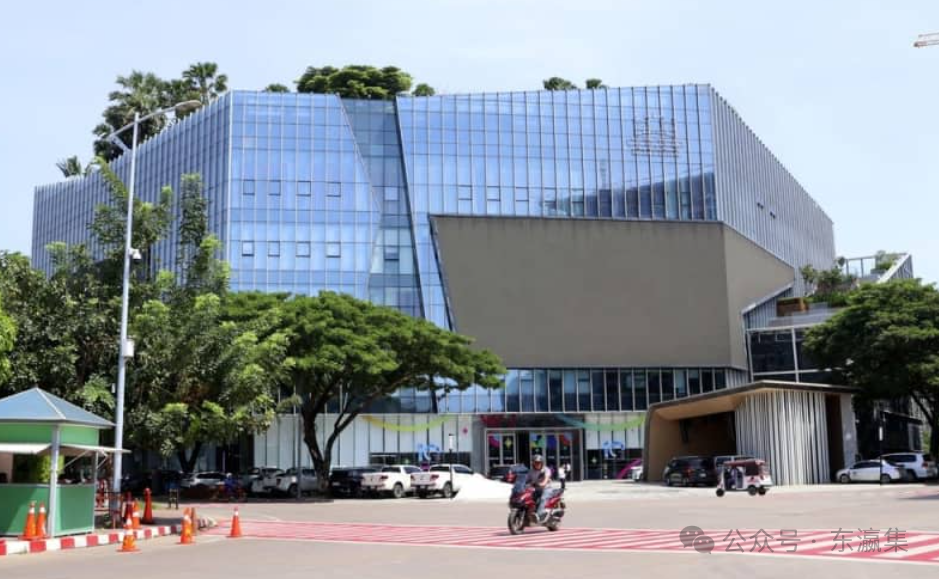
Rapid Expansion Fueled by Forced Labor and Fraud
The U.S. government has called Prince Group “the largest criminal organization in Asia.”
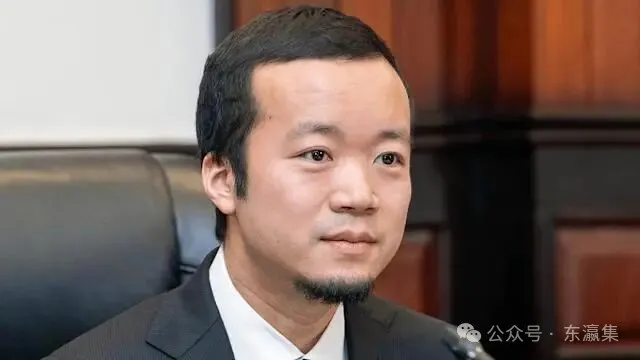
The group's leader, Chen Zi, 38, was born in Fujian, China and later obtained Cambodian citizenship. He built businesses in real estate, finance and casinos, expanding rapidly through alleged criminal profits and operating in more than 30 countries.
In October 2025, the US Department of Justice filed charges against Chen, accusing him of organizing investment scams and money laundering. Authorities say he imprisoned hundreds of people in Cambodia, forcing them to conduct crypto fraud operations under violent conditions.
The facilities were surrounded by high walls and barbed wire, filled with thousands of phones and millions of stolen numbers used for scams. Victims were forced to trick targets into sending messages promising “easy profits” and transferring cryptocurrencies into designated accounts.
In poorly governed border areas in Myanmar, Cambodia and Laos, crime centers linked to China are thriving. According to United Nations data, victims of forced labor are in 56 countries. In 2023 alone, online fraud losses in East and Southeast Asia could reach $37 billion.
Japanese citizens have also been detained at Cambodian scam sites. Although a direct connection to the Prince Group is unclear, the possibility is high.
Prince Group’s Reach into the Japan-Cambodia Association
The syndicate expanded not only to the West but also across Asia. Korea, Taiwan and Singapore have already started investigations. However, Japanese authorities have not yet taken action.
Reporters found that Prince Group has already reached out to Japanese communities inside Cambodia and Japan. One entry point was the Japan-Cambodia Association, a non-profit organization aimed at promoting cultural and economic relations.
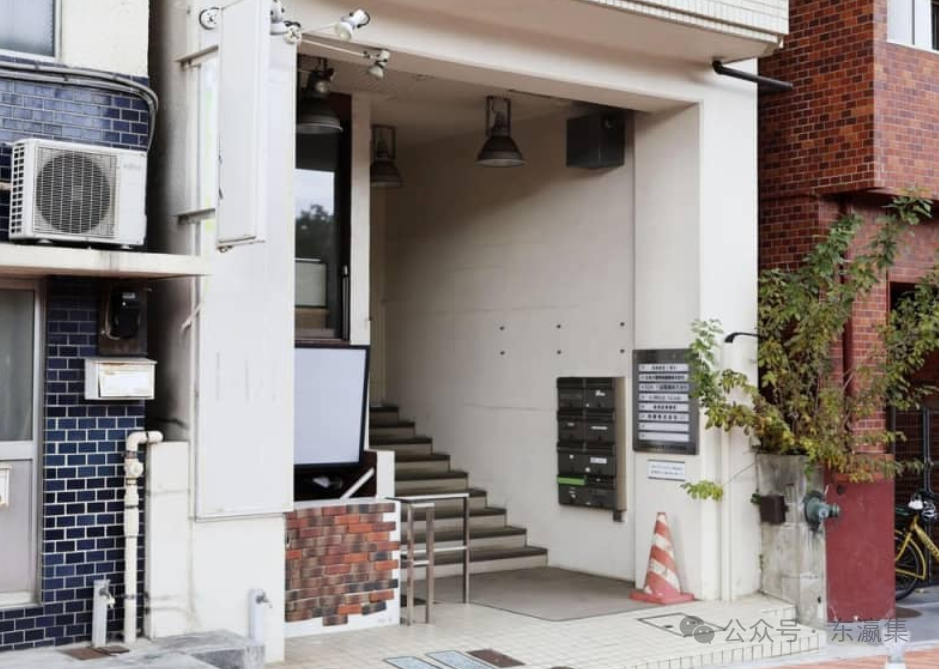
The association, established in 1963 and supported by the Ministry of Foreign Affairs of Japan, has long served as an official exchange center. But insiders say ties with the Prince Group have grown closer in recent years, starting in 2022 when its secretary general joined the group and even spoke at its events.
By 2023, Prince Japan—a local subsidiary—was admitted as a member. Internal emails show the secretary general pressing for approval, despite warnings about the group's questionable reputation abroad.
Events Sponsored by a Crime Syndicate
In November 2023, Prince Group reportedly sponsored a fireworks festival in Phnom Penh to commemorate 70 years of Japan–Cambodia relations. Critics within the association argued that cultural exchange was being dominated by corporate interests, with the Prince Group stepping in as the main donor when funds were short.
Although the association later expelled Prince Japan following US sanctions, the episode highlighted how deeply the group had entrenched itself in Japanese networks.
Shell Companies in Tokyo
Prince Group also established several companies in Japan. In 2022, Chen himself registered a firm in Tokyo, and by 2024, a real estate arm called Canopy Sands Development Japan was established. These entities sold Cambodian luxury condos to Japanese investors, raising suspicions of money laundering.
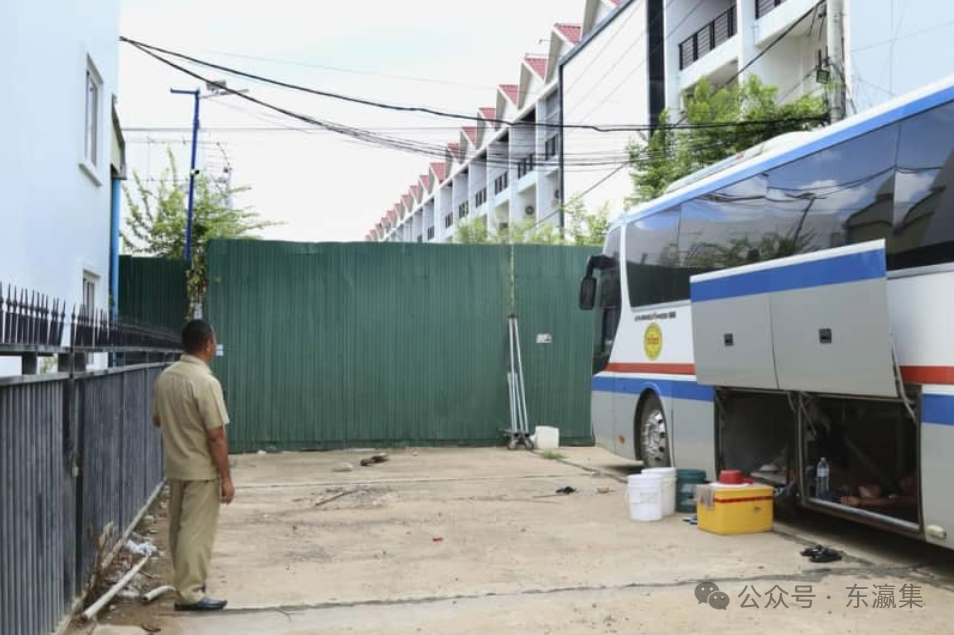
Chen Zhi’s Tokyo Connection
Investigators learned that Chen had registered his residence at a luxury apartment in the Aoyama district of Tokyo. With a capital of more than 5 million yen, he qualified for a business visa, allowing him to stay in Japan for a long period of time. Records show he lived there until October 2025, just days before US prosecutors announced charges.
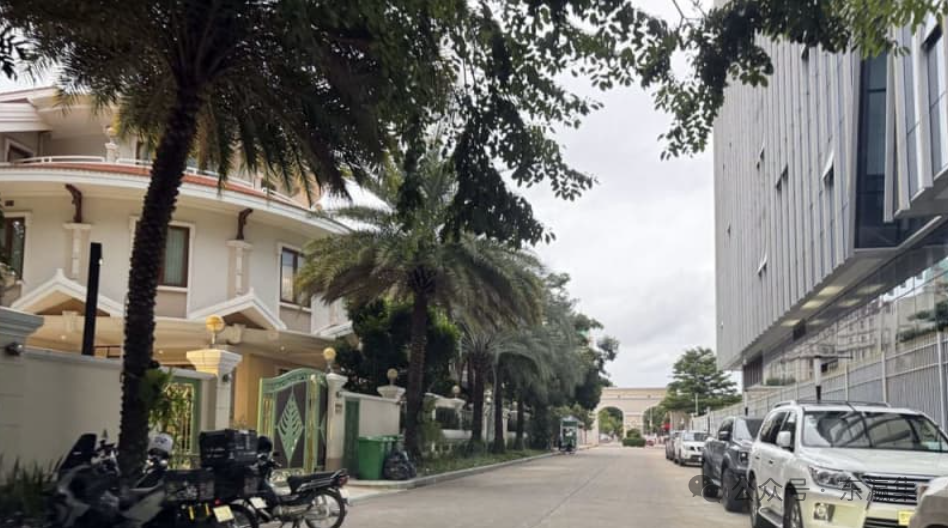
Chen later moved to a guarded compound in Phnom Penh, but his Tokyo ties raised concerns. Neighbors recalled the presence of a "big man" living quietly among them, and described the situation as terrifying and unstable.
Chen's rise was meteoric. Rising from poverty in the 2010s, he built Prince Group into Cambodia's largest conglomerate, spanning real estate, casinos, and logistics. US authorities say he spent his ill-gotten profits on yachts, private jets, luxury villas,s and even Picasso paintings.
If Chen is convicted in the US, he could face up to 40 years in prison. While Prince Group denies wrongdoing, its headquarters in Phnom Penh has already begun removing signage, and the chain's whereabouts are unknown.
The full scope of this international fraud network and its ties to Japan still needs to be uncovered.