Every year, a lot of people look forward to the latest “Prefecture Attractions Ranking” for Japan – and the 2025 edition has just dropped! This comes from the Brand Research Institute based on their large regional brand survey.
The survey covers all 47 provinces and 1,000 cities, towns and villages. It measures things like awareness, appeal and image across 90 separate items, turning "regional brand strength" into a clear score of how attractive people find each location. They have been doing this since 2006 (this is the 20th year), and the full prefecture ranking started in 2009 – so this is the 17th time.
There is always a lot of discussion about the top spots, but honestly, people are also curious about who is at the bottom. Since it's the 20th anniversary, let's jump ahead and see who rocked this year!
The top two haven’t budged in 17 years – but who just cracked the top 4 for the first time?
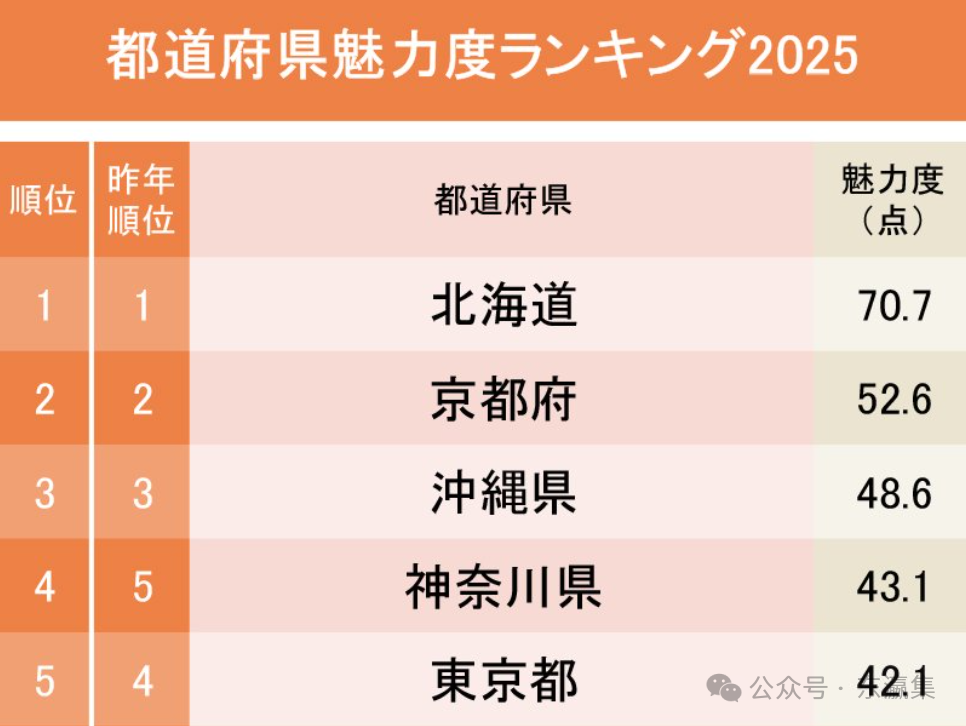
Hokkaido is still #1 with 70.7 points – that's 17 straight years at the top! This is a slight decline from last year's 70.8, but it's still well ahead of everyone else.
Akio Tanaka, president of the Brand Research Institute, explained: "Hokkaido as a brand is now very famous. The appeal is gradually moving towards places like Furano, Niseko and Hakodate. It has been #1 for so long, but since 2021 the score has been decreasing. Younger people gave it higher marks this year, while older people became a little quieter – the generational gap narrowed."
Kyoto Prefecture is right behind in second place (52.6 points) – also unchanged for 17 years. Okinawa Prefecture held steady in third place with 48.6 points.
big surprise? Kanagawa Prefecture rose from 5th (42.6 points last year) to 4th (43.1 points) – its highest ranking ever. Tokyo slipped to 5th (42.1 points). The Kanto region lineup looks completely different this time.
Whose power is responsible for the rise of Kanagawa? Tanaka pointed to Yokohama's urban atmosphere and Kamakura's historical charm – "those two cities are like the two wheels that drive the prefecture." Recently, anime such as Rascal Does Not Dream of Bunny Girl Senpai and Slam Dunk filming locations have received additional attention. Kamakura in particular has seen a huge increase in foreign visitors.
He said Kanagawa ranked third nationwide in categories such as "enjoying sports and watching sports" (17.2%), "attractive museums" (9.7%), "attractive shopping streets" (11.6%), and "convenient local transportation" (16.2%). It also ranked #1 in “Want to Live There” with 24.5 points – so it gets high marks for both traveling and staying.
Kyushu and Tohoku prefectures make big leaps – industry + tourism combo
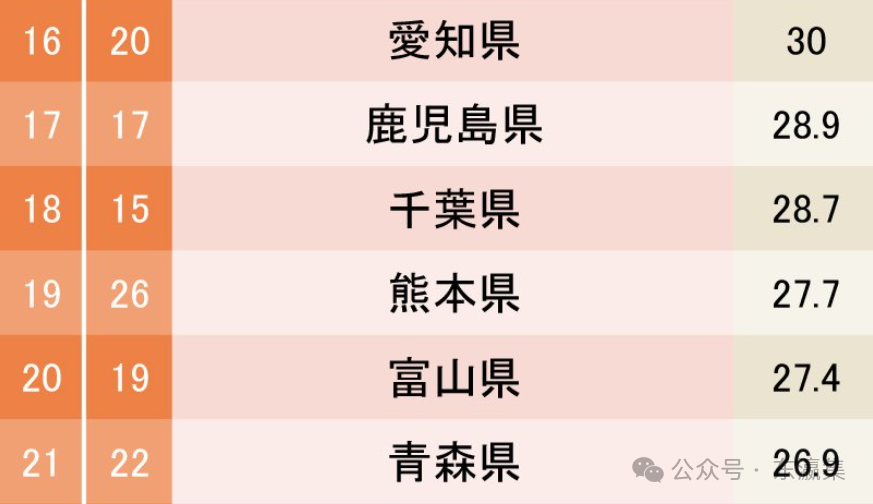
Two standout risers: Kumamoto and Yamagata.
Kumamoto jumped 7 places from 26th (24.1 points) to 19th (27.7 points). Big reason? Taiwan's TSMC opened a state-of-the-art semiconductor factory there, giving the prefecture a shiny new high-tech image. Also, Kumamoto's tap water is 100% groundwater, so it is being rediscovered as the "land of water". The renovated Kumamoto Airport has also made travel easier. All of this pushed its “willingness to travel” ranking from 22nd (40.9) to 14th (44.3).
Tanaka said: "The new factory and airport upgrades have massively promoted Kumamoto's brand in both industry and tourism."
Yamagata also moved up 7 places from 33rd (21.4) to 26th (23.8). The stunning view of Risiku-ji temple (also known as Yamadera) in Yamagata city is making waves on social media and among foreign tourists. And with rice shortages in Japan this year, Yamagata's rice-producing reputation got another boost.
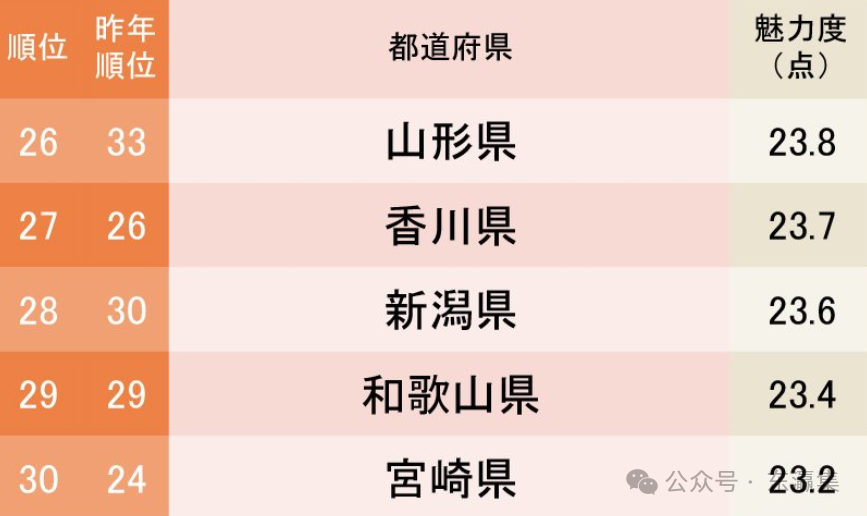
Its "willingness to travel" score rose from 38th (36.3) to 28th (37.3), and it ranked 7th in "attractive traditional arts, festivals and events" (14.9%) and "rich natural resources such as oceans, mountains and lakes" (46.1%).
Prefecture's rise thanks to fresh appeal - foreign tourists helped a lot
Nara Prefecture rose from 14th (31.1) to 9th (35.4). The Hashihaka Kofun tomb in the Makimuku ruins – believed to be the tomb of Queen Himiko – aroused enormous interest. Its “willingness to travel” ranking improved from 11th (46.7) to 8th (46.5).
Tanaka said: "A lot of foreign tourists coming for the Osaka Expo also stayed in Nara. The famous deer became even more popular."
He said more hotels are opening, changing Nara's tourism from mostly school trips to individual and international travelers.
Aichi Prefecture dropped from 20th (26.5) to 16th (30.0). Nagoya's rich food culture is getting more love, especially "local specialties and souvenirs you might want to buy" (8.2%). Plus, people are already excited about upcoming sports and concerts at the new IG Arena, opening in July 2025 – you can see it in the score.
And the bottom of the list…
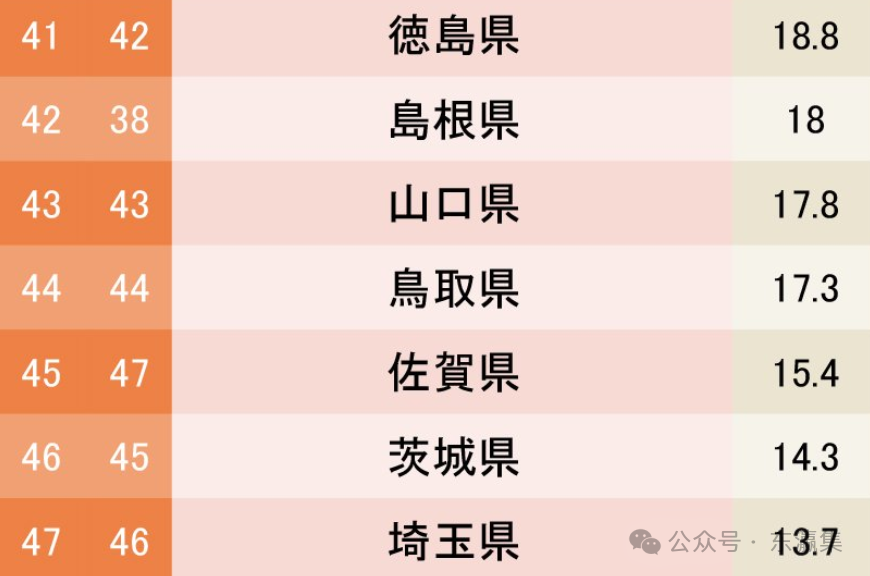
Saitama Prefecture slipped from 46th (15.2) to 47th (13.3) – its first time in the bottom spot. The score has been falling for three consecutive years. Its "willingness to travel" ranking also ranked last at 29.1 points, especially among people from western Japan.
The biggest problem is its food image. "Delicious food" (6.6%) has been in last place for six years in a row.
Tanaka explained: "Saitama actually has the most eel restaurants in Japan, but it is not widely known as a food destination. The 2019 Moomin Valley Park and the movie Fly Me to the Saitama gave it a bit of a boost, but it didn't last. Young people's desire to live there also declined from last year."
Here’s the full 2025 Japan Prefecture Attractiveness Ranking:
| Rank (Last Year) | Prefecture | Score (Change from Last Year) |
|---|---|---|
| 1 (1) | Hokkaido | 70.7 (-0.1) |
| 2 (2) | Kyoto | 52.6 (unchanged) |
| 3 (3) | Okinawa | 48.6 (unchanged) |
| 4 (5↑) | Kanagawa | 43.1 (+0.5) |
| 5 (4↓) | Tokyo | 42.1 (-0.4) |
| 6 (6) | Chiba | 39.4 (unchanged) |
| 7 (8↑) | Hyogo | 36.8 (+0.3) |
| 8 (7↓) | Osaka | 35.6 (-0.2) |
| 9 (14↑) | Nara | 35.4 (+4.3) |
| 10 (11↑) | Fukuoka | 34.9 (+0.4) |
| 11 (12↑) | Shizuoka | 34.8 (+0.3) |
| 12 (9↓) | Nagano | 33.7 (-1.0) |
| 13 (10↓) | Aichi | 31.6 (+5.1) |
| 14 (16↑) | Hiroshima | 30.2 (+0.5) |
| 15 (13↓) | Miyagi | 30.1 (-0.2) |
| 16 (20↑) | Ishikawa | 30.0 (+1.5) |
| 17 (17) | Nagasaki | 28.9 (unchanged) |
| 18 (15↓) | Toyama | 28.7 (-0.1) |
| 19 (26↑) | Kumamoto | 27.7 (+3.6) |
| 20 (19↓) | Gifu | 27.4 (+0.9) |
| 21 (22↑) | Yamaguchi | 26.9 (+0.4) |
| 22 (25↑) | Shimane | 26.1 (+0.6) |
| 23 (21↓) | Mie | 25.2 (-0.3) |
| 24 (18↓) | Iwate | 24.8 (-1.2) |
| 25 (23↓) | Oita | 23.9 (-0.1) |
| 26 (33↑) | Yamagata | 23.8 (+2.4) |
| 27 (24↓) | Tochigi | 23.2 (-0.3) |
| 28 (27↓) | Kagawa | 22.1 (adjusted) |
| 29 (29) | Gunma | 21.9 (unchanged) |
| 30 (30) | Akita | 21.5 (unchanged) |
| 31 (31) | Tottori | 21.2 (unchanged) |
| 32 (32) | Kochi | 21.2 (unchanged) |
| 33 (33) | Saga | 20.2 (unchanged) |
| 34 (34) | Tokushima | 19.9 (unchanged) |
| 35 (35) | Ibaraki | 19.5 (unchanged) |
| 36 (36) | Miyazaki | 18.9 (unchanged) |
| 37 (41↑) | Shiga | 18.9 (unchanged) |
| 38 (42↑) | Ehime | 18.8 (unchanged) |
| 39 (38↓) | Okayama | 18.0 (-0.9) |
| 40 (40) | Fukushima | 17.8 (unchanged) |
| 41 (37↓) | Aomori | 17.5 (-0.3) |
| 42 (43↑) | Wakayama | 17.3 (+0.2) |
| 43 (44↑) | Yamanashi | 15.4 (+0.1) |
| 44 (45↑) | Fukui | 14.3 (+0.2) |
| 45 (47↑) | Kagoshima | 14.2 (+0.5) |
| 46 (46) | Wakayama | 14.0 (unchanged, adjusted) |
| 47 (46↓) | Saitama | 13.7 (-1.5) |