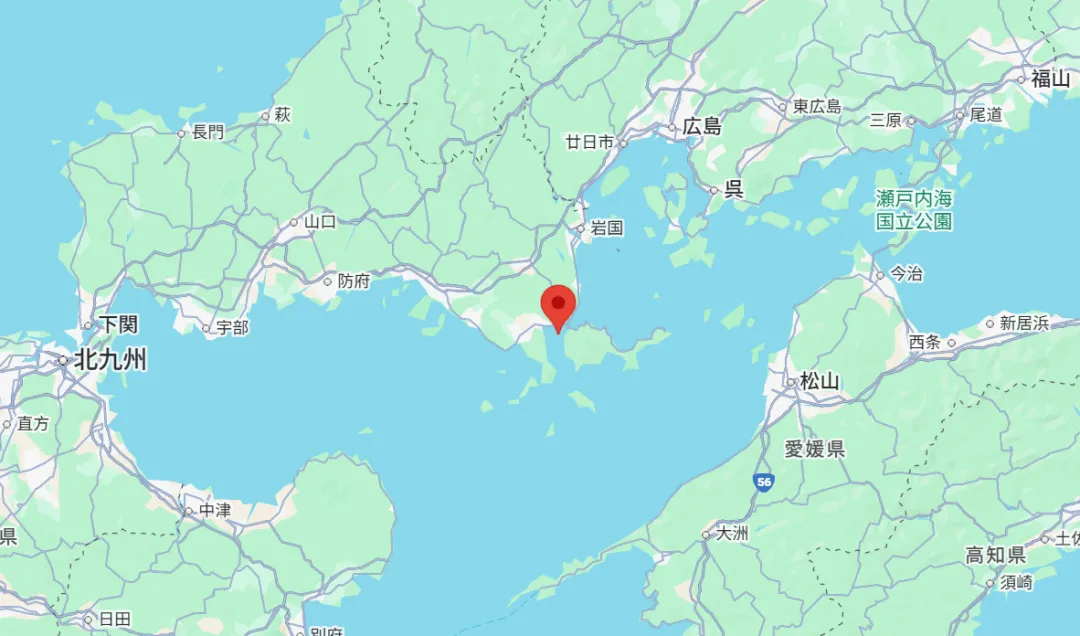
Nokonoshima, located in Fukuoka's Hakata Bay and administered by Fukuoka's Nishi Ward, has celebrated the grand opening of its first convenience store. Half of the island's residents are elderly, and the advent of the local shop means they no longer need to go off the island for food and drink.
Everyday necessities can now be easily purchased and earn wide appreciation. Yet many stores on remote islands are struggling to survive – so why open a store here? A journalist spent a day closely following its operations.
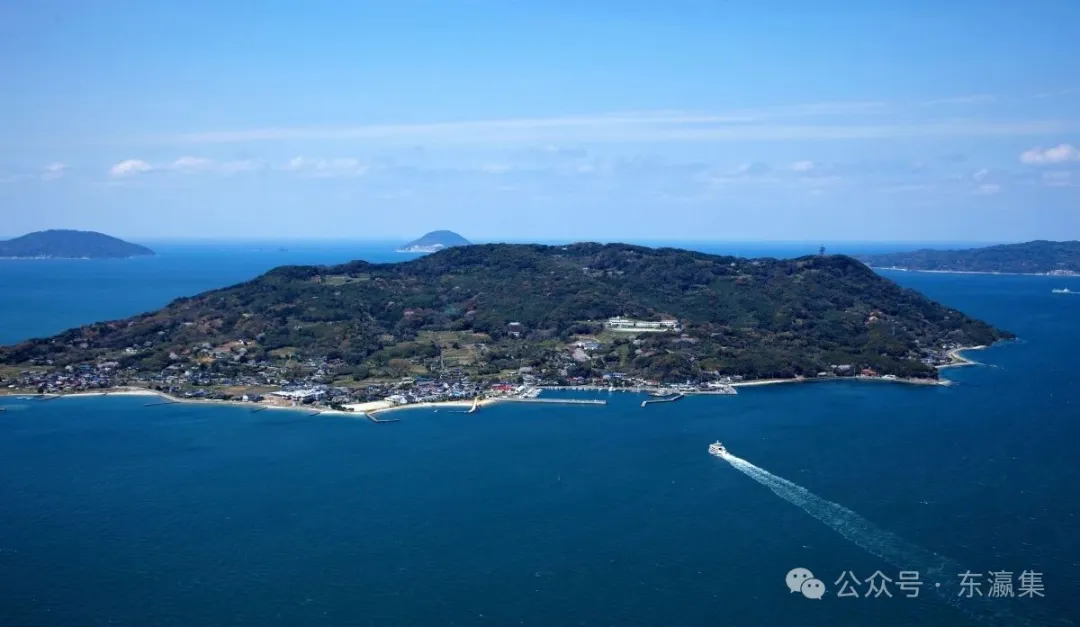
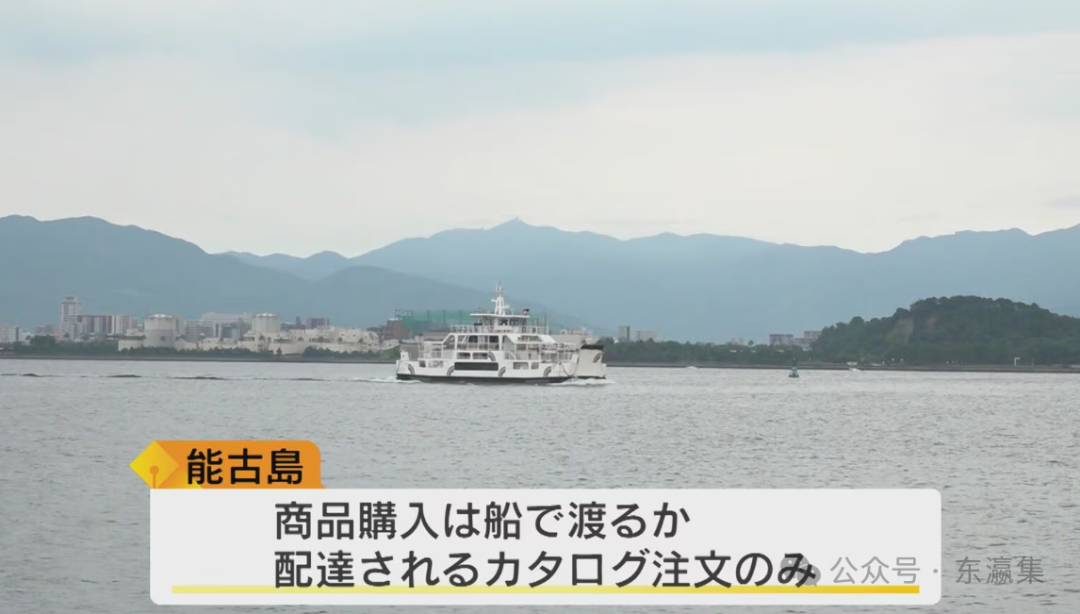
Statistics show that Nokonoshima is home to 601 residents and was once a favorite of author Dan Kazuo. From Minohama Beach in Fukuoka's Nishi Ward, the city-run ferry barely takes more than ten minutes to reach the island. Islanders rely on the ferry not only to travel to school and work but also to purchase daily necessities.
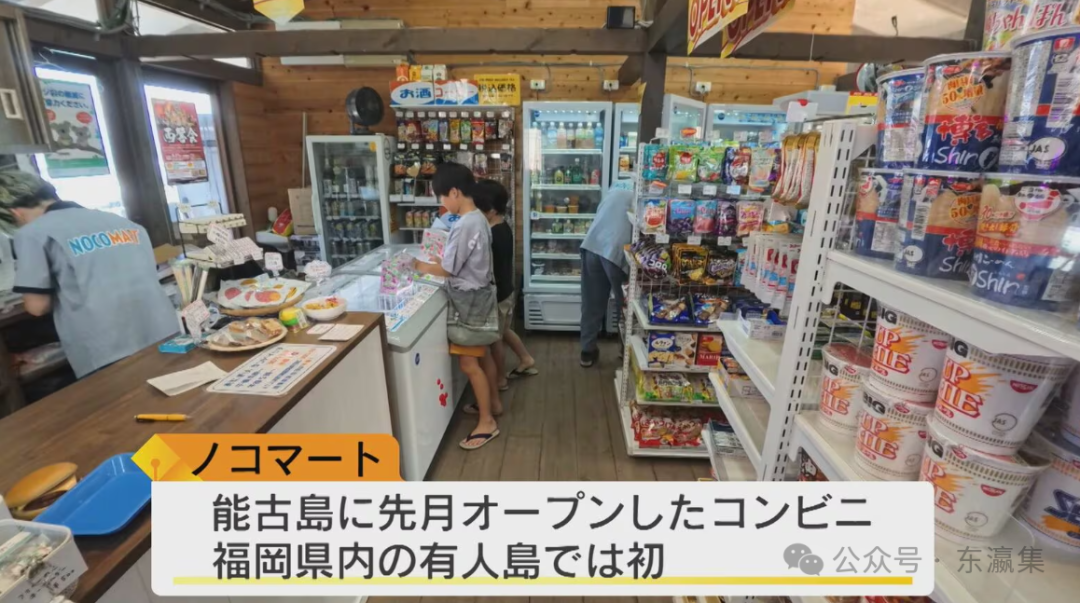
In July 2025, the island's first convenience store, "Nocomart", opened near the ferry terminal.
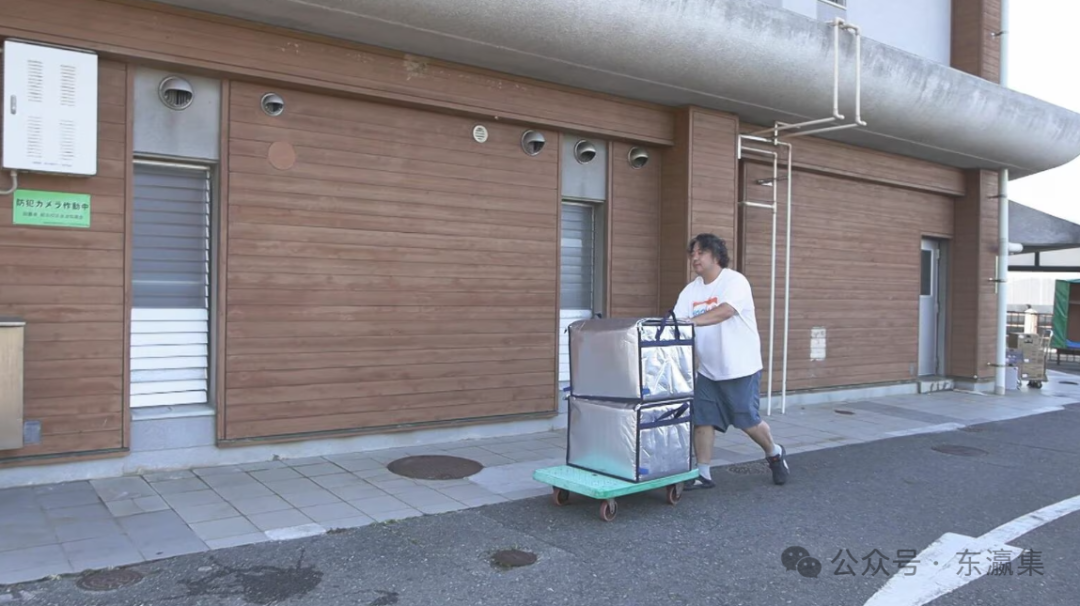
At dawn on opening day, store owner Kotaro Honda, age 49, was already carrying goods from a cart. He moved to Nokonoshima six years ago.
Yuichi Asaba, a 59-year-old product development planner who moved to the island fifteen years ago, is Honda's co-manager, and together they oversee the store's operations.
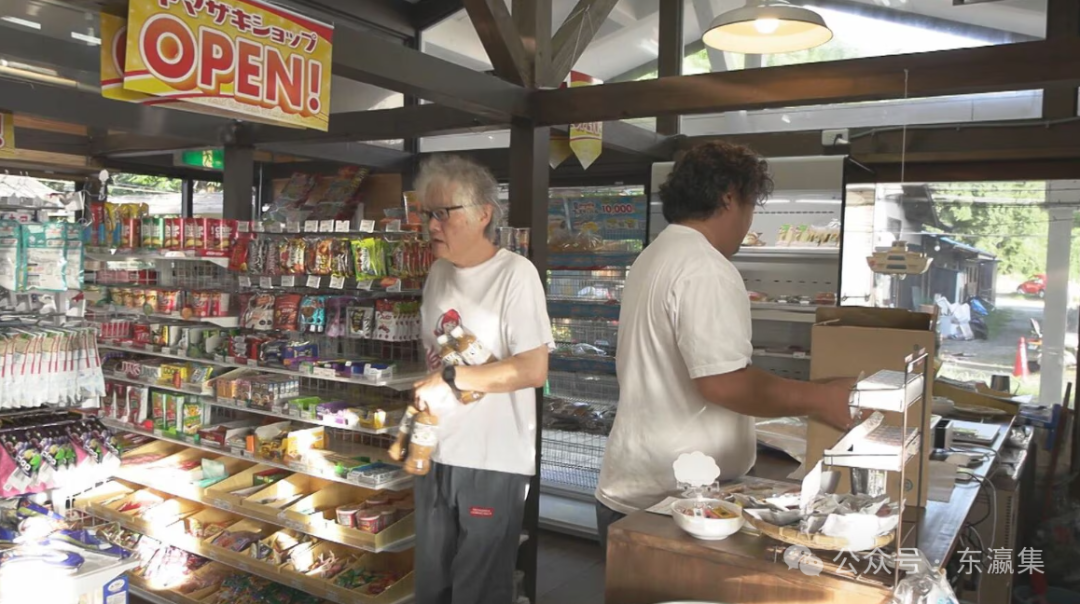
⬆ Asaba stands on the left; the two are often seen working side by side.
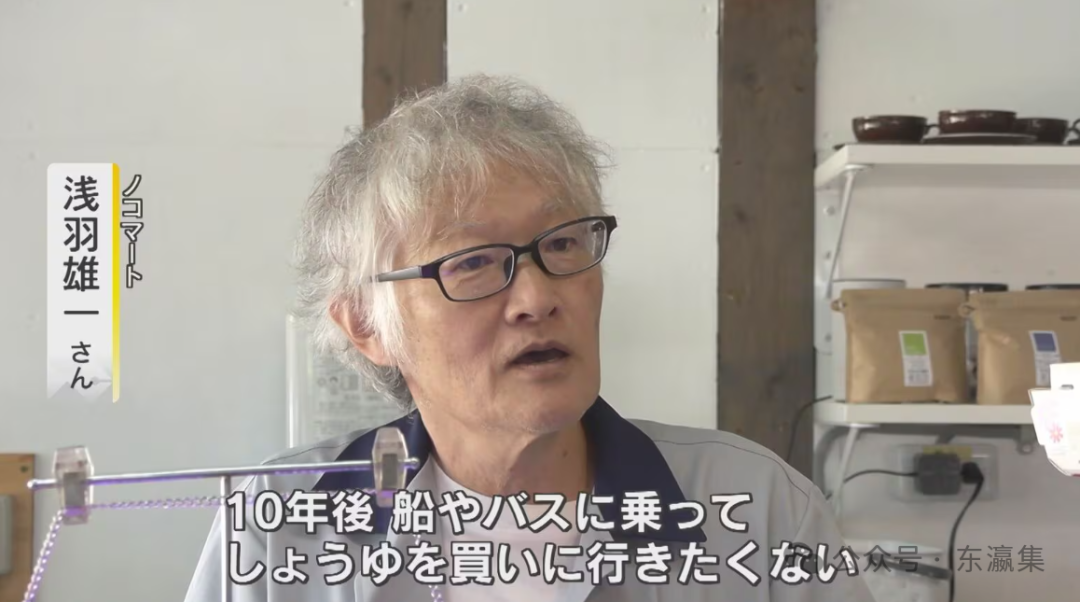
When asked why he opened the store, Asaba replied: "I'll be sixty next year, and ten years from now I don't want to get on ferries or buses just to buy a bottle of soy sauce. About eight or nine years ago, the last store on the island closed, even the liquor store disappeared. Life had become too inconvenient, so I resolved to set up this store."
Until now, islanders had to take a ferry to the mainland and then a bus to buy food and daily goods. The round trip incurred transportation costs, prompting some residents to complain that "the expense seems wasteful."
Of the island's 601 residents, 282 people are 65 or older – meaning that almost one in every two residents is elderly.
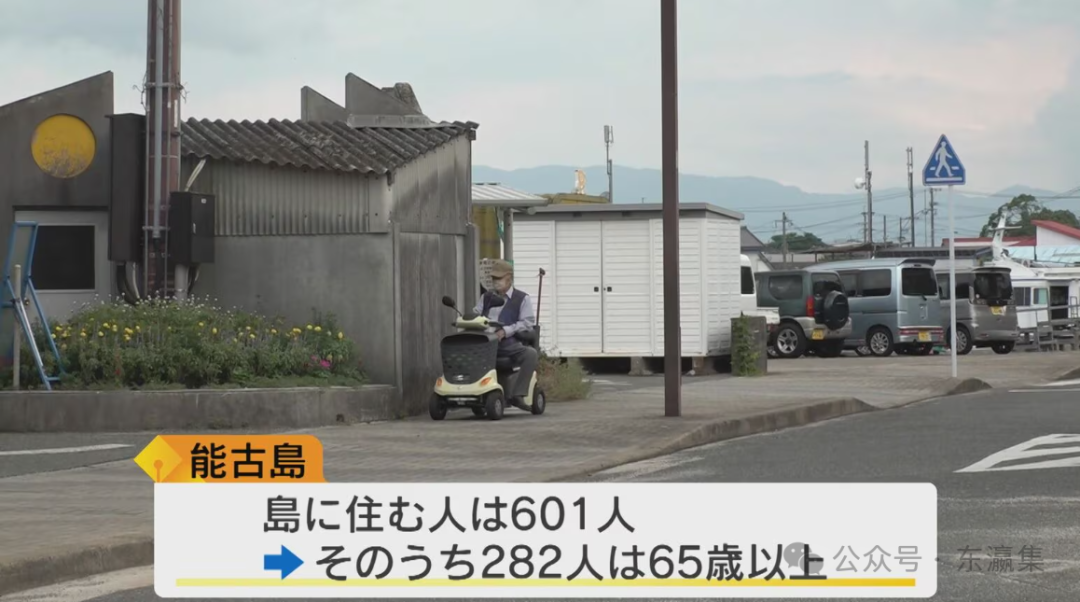
Asaba commented: "People who work off the island can pick up groceries on their way home, but the elderly cannot do so." His concern for the well-being of the islanders, especially senior citizens, is evident.
The store's shelves are impressively stocked with around 700 items, ranging from rice balls and sandwiches to gas canisters and stationery. The variety and prices are comparable to mainland convenience stores.

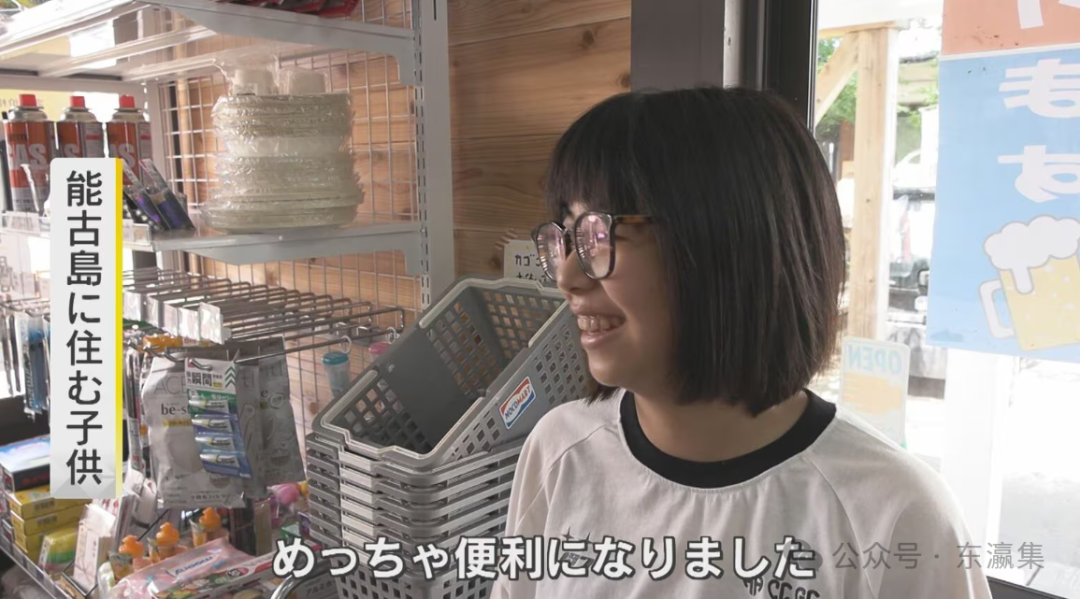
On the opening day, a child on summer vacation ran out to buy pancake mix and said with a smile, "I've been wanting this since the morning!" She happily said before leaving with a laugh that she now visits the store often, finding the store "super convenient."
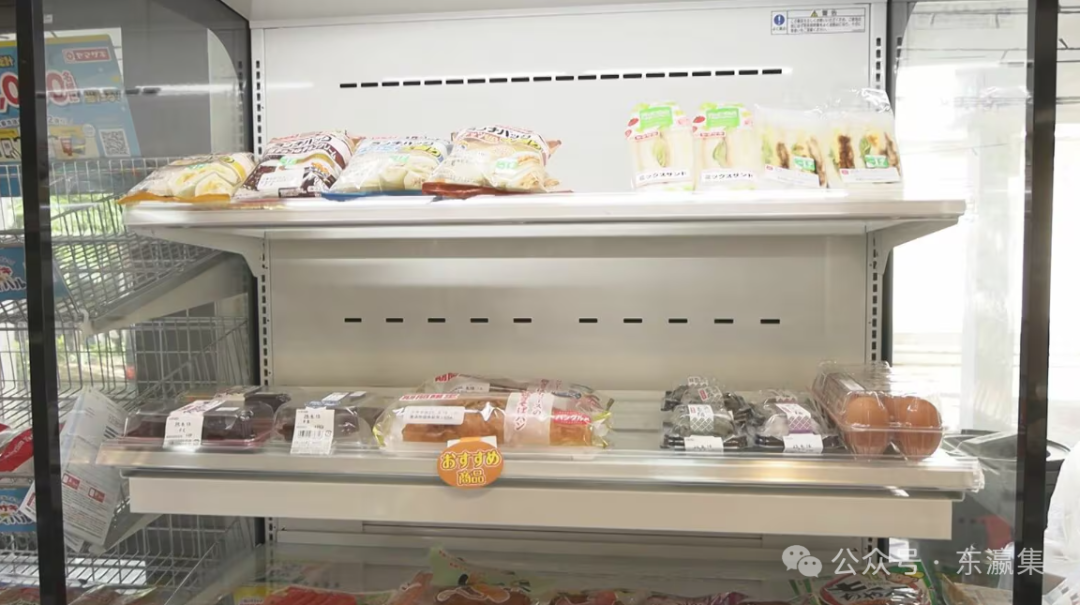
The store's best-selling items differ from mainland items, resembling those of a small supermarket. “Tofu, natto, milk, and eggs sell especially well,” Asaba said.
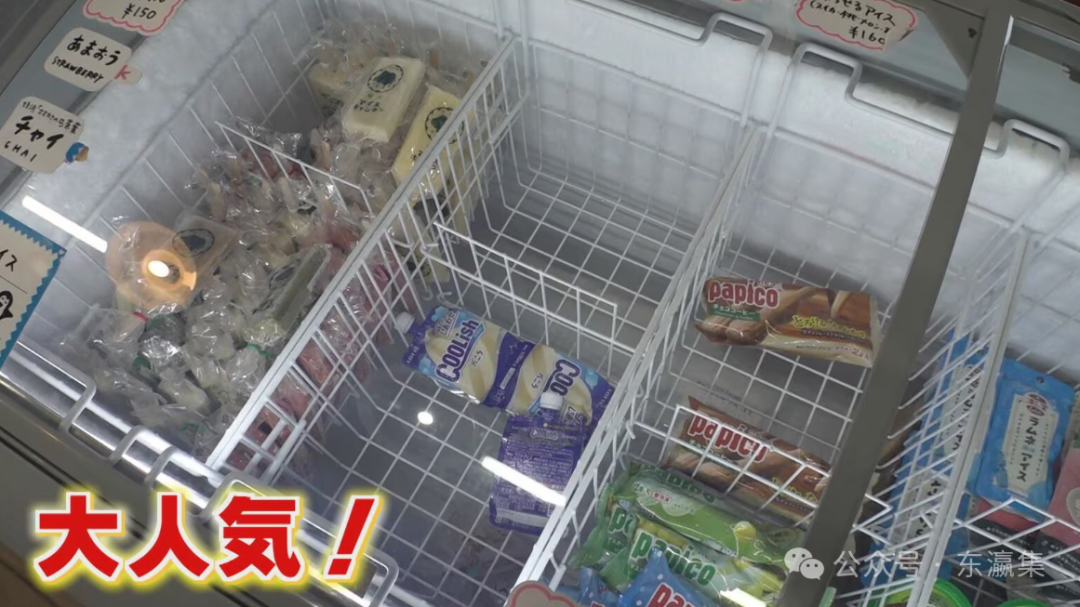
Ice cream has also become a favorite of people. Asaba explained: "In the past, when islanders would buy ice cream on the mainland, there was a shortage of dry ice on the ferry, so the ice would melt before they could return."
Now, with Nocomart's ice cream available locally, the stock disappears within two or three days of arrival.
The challenge is in maintaining operations. Nocomart relies on the expertise of a logistics network and a leading convenience chain to secure such diversity. For small island stores, survival depends on reducing unsold stock, accurately assessing residents' needs, and avoiding over-ordering. Thus, the store regularly changes its inventory to keep the offerings fresh.
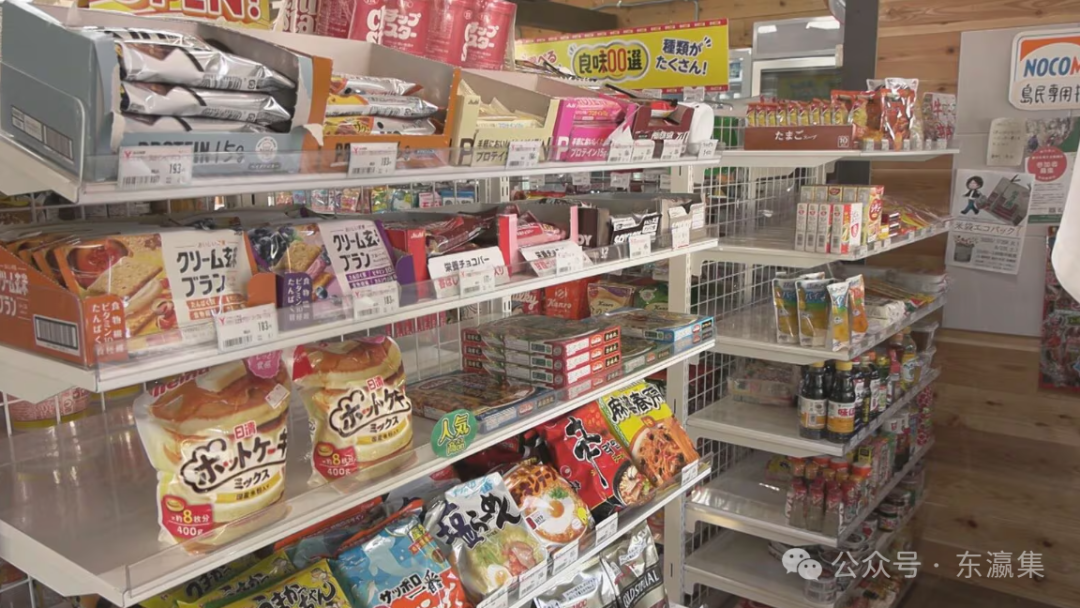
"We've got new gummies – three types! And look, Pokémon ones too!" The store engages warmly with children who visit frequently, creating a friendly atmosphere.
To reduce labor costs, Asaba and Honda do not employ any part-time employees; They handle all the stocking and deliveries themselves. "We can only move forward step by step, doing what is within our reach. If we can endure the first year, we hope to continue."