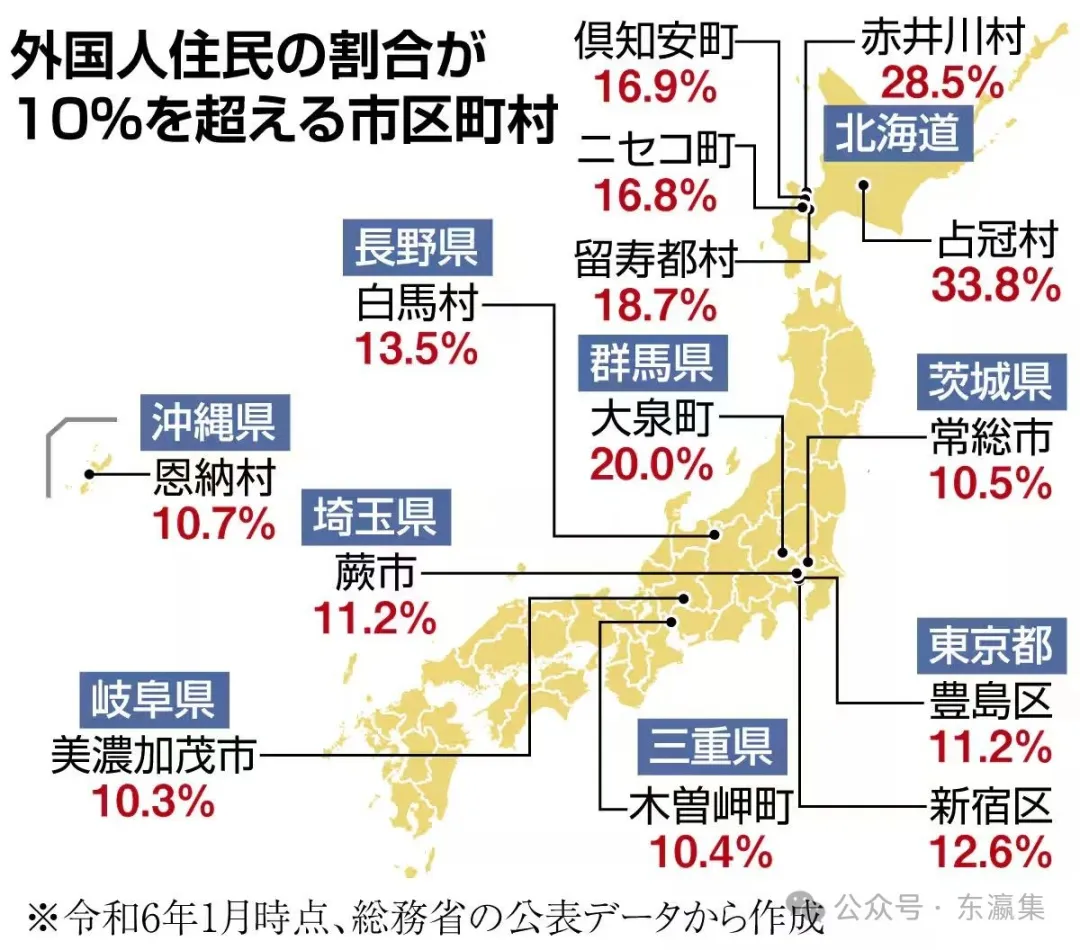
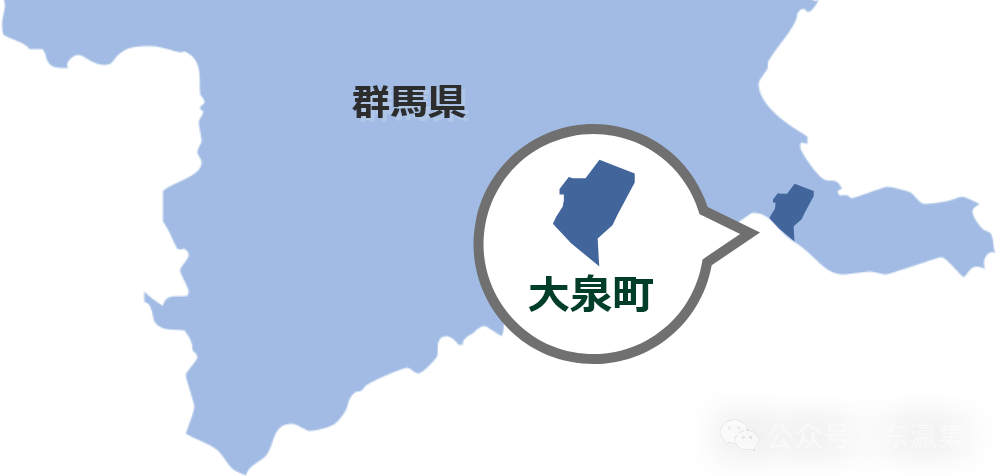
The story of the city of Oizumi in Gunma Prefecture differs from that of other cities in Japan. As of 2024, the city had a population of 41,495, of which 8,306 were foreign residents, accounting for approximately 20%. This is even higher than Tokyo, earning Oizumi the nickname "Foreigner City".
From zero to "Brazilian city."
In 1986, Oizumi had only 222 foreign residents and not a single Brazilian. Things changed rapidly. In 1990, the Immigration Control Act was amended to introduce "permanent resident" status, opening the door to large-scale immigration. Factories operated by Subaru, Sanyo Electric (now Panasonic) and Ajinomoto needed workers, and by 1992, more than 2,300 foreigners had arrived – more than 1,500 of whom were Brazilians. The city soon became known as "Japan's Brazil".
During Japan's bubble economy, working abroad provided South Americans with far better wages than at home. Oizumi's factories met that demand, creating a thriving Brazilian community. Even after the Lehman shock of 2008, when 80% of Japanese Brazilians lost jobs and many moved away, many eventually returned, showing the city's enduring appeal.
From Brazil to Asia
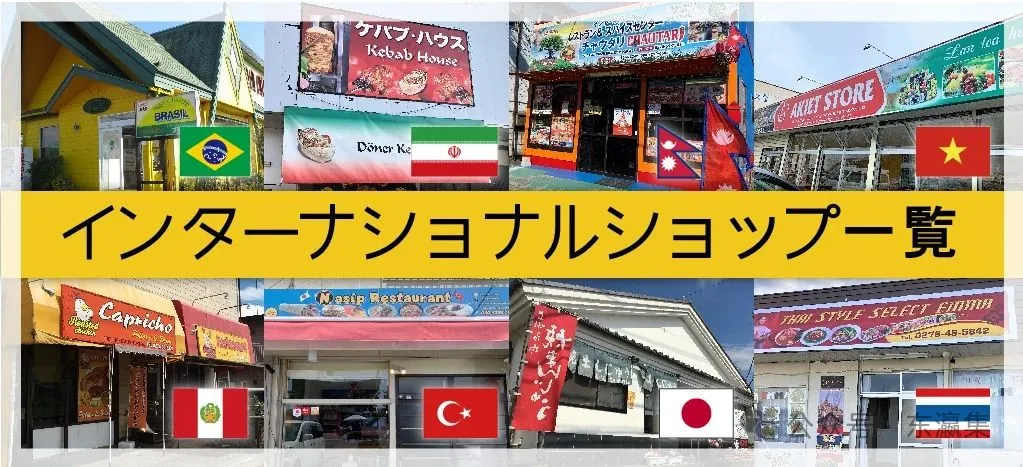
In recent years, the immigrant mix has changed. While Japan's overall population is declining, Oizumi's foreign community is growing. More than 1,200 newcomers arrived in the past five years, many of them from Asia. About 1,000 Asian immigrants settled here in the last decade. Along Midori-dori, shops with South Asian flavors are opening. Local people now see Nepalese, Vietnamese and Cambodians forming their own groups.
The presence of Nepalese is amazing. Their number increased from 82 in 2011 to 671 by 2018. One resident, Geeta Betwal, opened a food shop catering primarily to Nepali customers. "Language is a barrier," he explained. “The different groups rarely meet, but word has spread among Nepalese that Oizumi is a good place to live."
Immigrant groups and "3K" jobs
Foreign residents here generally fall into three categories:
- South American, mainly Brazilian and Peruvian
- Technical trainees from Southeast Asia such as Vietnam and Indonesia
- Asian immigrants from other parts of Japan, including Nepalese and Chinese, are moving in.
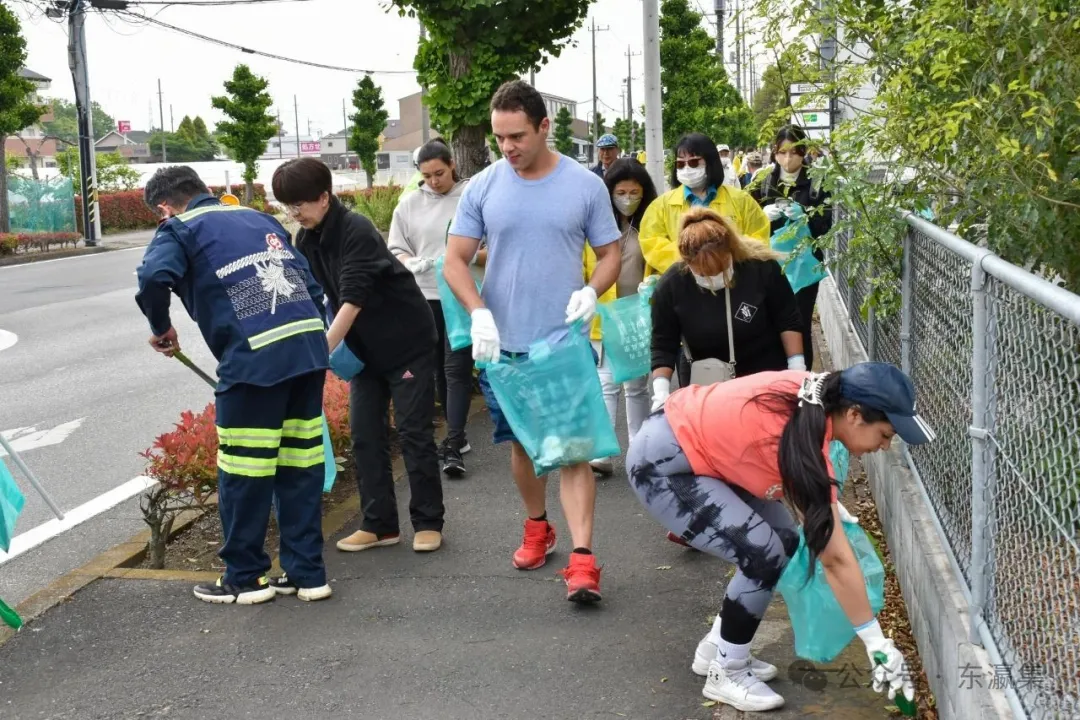
Shuichi Ono of the local tourism association says, "The idea of 'migrant workers' is old here. Many immigrants buy houses and settle down permanently. Technical apprentices usually stay for two to three years, often taking '3K' jobs – dangerous, dirty and difficult – that locals avoid."
Staffing agencies say demand is high, but the need for language skills is increasing. Some Japanese Brazilians struggle to adapt, while Asian workers fill critical labor gaps.
Challenges and welfare
Oizumi's diversity brings challenges. Language barriers and limited education make workplace integration difficult. In 2024, 375 residents received public assistance, of which 94 were foreign nationals – 25.1%, much higher than the national average. Most recipients were South American, not Asian immigrants.
A Japanese-Brazilian man shared: "I can't work because of health problems, I don't speak the language, and my children dropped out of school. I can't afford to return to Brazil." Another resident, Granbel Sendai, moved from Nagoya but felt out of place, saying divisions within the Brazilian community and welfare stigma prompted her to move.
Brazilian roots, global future
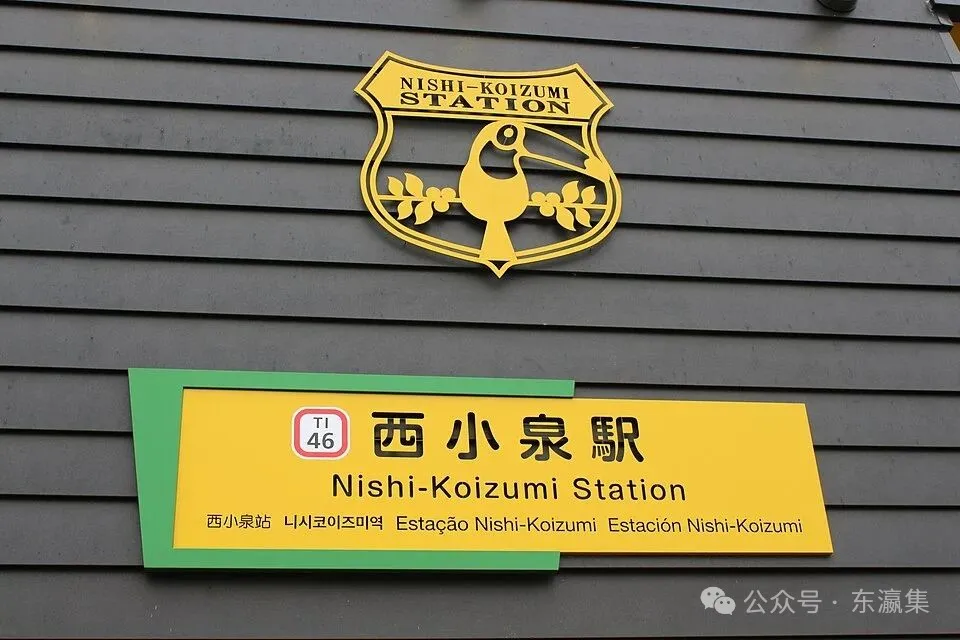
Oizumi's Brazilian identity dates back to a 1990s change in immigration law. During the bubble years, companies built factories here, attracting Japanese Brazilians – descendants of immigrants who had settled in Brazil decades earlier. Nishi-Koizumi Station also features the colors of the Brazilian flag and Portuguese signage, symbolizing the city's heritage.
But today, Oizumi is much more than “Little Brazil.” Residents from 45 countries now call it home. Events such as the "Vibrant World Food Street", held since 2010, showcase cuisines from around the world, turning the city into a true international hub.
Building a shared community
The city government supports integration with interpreters, multilingual websites, cultural training courses and Portuguese language publications such as "GARAPA". These efforts help bridge distances and promote co-existence.
From the Brazilian boom of the 1990s to today's multicultural mix, Oizumi Town reflects Japan's evolving immigration story. It remains an industrial hub in Gunma, but it is also a living example of how diverse communities can reshape the country's social landscape.