For decades, Japanese tabloids have relished reporting on “tens of thousands of Korean sex workers” flooding international events like the World Cup and Olympics to “make a killing.”
Now the tables have turned—increasing numbers of young Japanese women are choosing to work abroad in the sex industry to repay massive debts incurred at host clubs due to their “princess syndrome.” The strong dollar exchange rate has become the primary driver. A support group has issued a stark warning: this constitutes “highly organized human trafficking,” with many women returning home already addicted to drugs.

“In recent years, there has been a noticeable increase in young Japanese women traveling abroad for prostitution.”
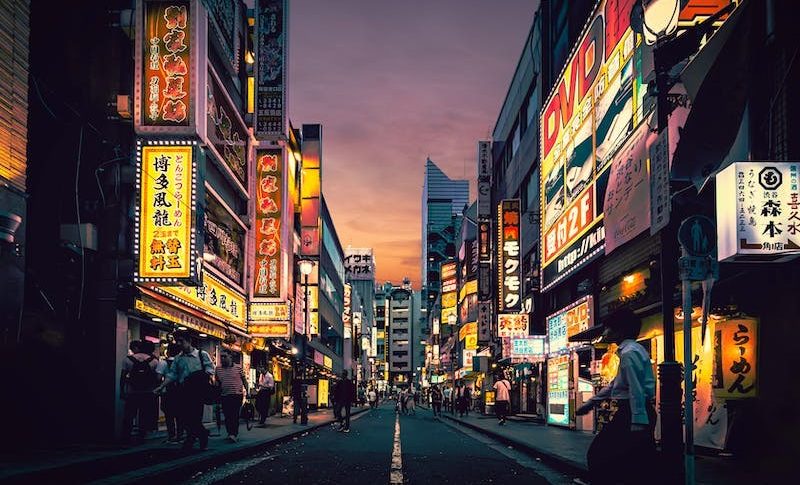
Aoi Shimizu, 26, is the representative director of Japan Refuge, an NPO based in Tokyo's Shinjuku Kabukicho district that specializes in assisting young people. She states that Canada and Australia are currently the primary destinations for Japanese women engaged in prostitution.
“Hawaii and the U.S. mainland were previously the main destinations, but stricter airport customs inspections have reduced the numbers,” Shimizu said.
These women, typically in their early 20s, are arranged to travel abroad by specialized organizations. Upon arrival, they reside in brothels within local Chinatowns, where Chinese madams provide meals and accompany them throughout their outings. While seemingly voluntary, their movements are strictly monitored, forcing them to entertain clients almost constantly except during sleep. It's claimed they can earn between 10 and 20 million yen within two months.
“The yen's depreciation combined with the foreign tipping culture allows them to earn substantial money in a short period—that's the real reason they go abroad,” Shimizu pointed out.
The root of all this lies in host clubs
“Regardless of age, any woman who steps into a host club is skillfully manipulated into making extravagant purchases. Simply telling a host she likes, ‘I want to work harder for you,’ or ‘I want to order a champagne tower,’ will prompt him to immediately introduce her to a ‘sex broker,’”
“Some host clubs even have their own exclusive agencies with overseas connections.”
According to the Tokyo Metropolitan Police Department, criminal syndicates within Japan recruit women via social media, luring them overseas with promises of high pay before handing them over to local organizations. Most women travel abroad to continue spending money at host clubs.
However, overseas prostitution inflicts severe physical and psychological damage, with mental breakdowns being common occurrences.
One 20-year-old woman, who already suffered from mental illness and long-term sleeping pill dependency, became obsessed with male host clubs. Sent to Canada by an agency, she developed an addiction to legally available marijuana. Within just two weeks, she suffered a complete physical and mental breakdown and was repatriated to Japan.
Other women returned home covered in bruises after being beaten and kicked while serving clients.
“Many Japanese women don't speak English. To earn money, they can't even say ‘no’—they have to accept even the most unreasonable demands from clients,” Shimizu stated.
Shimizu strongly condemned the collusion between male escorts and agencies, exploiting women's infatuation with escorts and their desire for validation to push them into overseas prostitution as “highly organized human trafficking.”
In September this year, a “Thai private massage parlor” in Tokyo's Bunkyo Ward was found employing a 12-year-old Thai girl. Shimizu emphasized that Japanese women forced into overseas prostitution fall under “the same category of human trafficking.”
The revised Entertainment Business Act, enacted in June, has taken effect. It further tightens regulations on host clubs and Kabukicho establishments, explicitly banning sexual services and outlawing “referral kickbacks” (fees paid by sex industry operators to hosts and agencies).
In late October, Shimizu and others met with officials from the Canadian, Australian, and U.S. embassies to explain the current state of Japan's host clubs. She pointed out that Japanese women traveling abroad for prostitution often exhibit distinct characteristics (such as carrying specific items or wearing certain clothing), and sharing this information in advance could prevent them from entering those countries.
“The most effective way to prevent overseas prostitution harm is for foreign countries to understand the reality of Japan's male host clubs and intercept these women at their borders.”
She also emphasized the need for a two-pronged approach:
“Demand drives women to risk their lives in prostitution. We must crack down on clients while providing care for victims whose bodies and minds have been shattered.”